



MSNBC Wants Less Free Speech Because It Benefits Republicans
MSNBC host Katy Tur is facing criticism after lamenting the decline of traditional media “gatekeepers” during a Friday interview that focused on misinformation, President Donald Trump, and the modern media landscape…
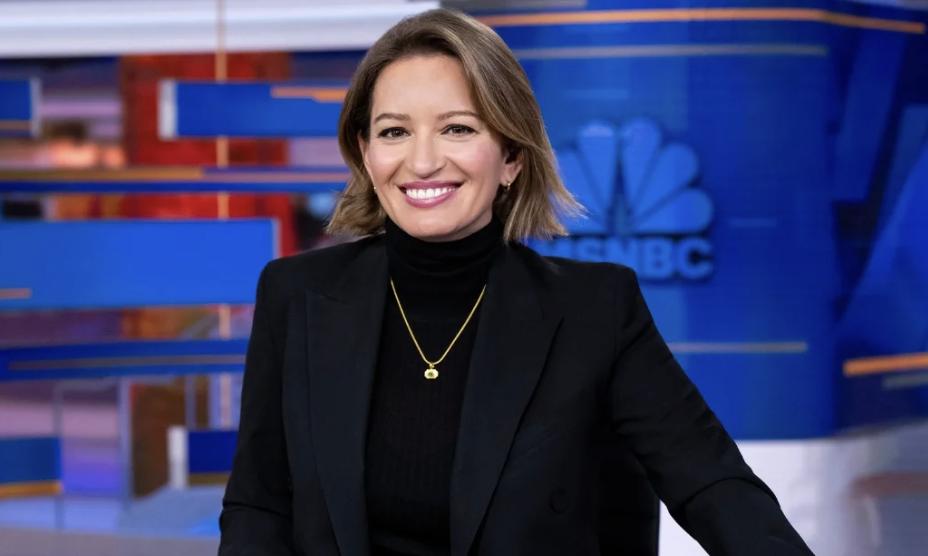
MSNBC host Katy Tur is facing criticism after lamenting the decline of traditional media “gatekeepers” during a Friday interview that focused on misinformation, President Donald Trump, and the modern media landscape.
During her MSNBC Reports program, Tur spoke with network legal analyst Andrew Weissmann about his new anti-Trump book, Liar’s Kingdom, where the two discussed whether American institutions are equipped to deal with politicians who spread false or misleading information.
The conversation quickly turned into a broader critique of social media and alternative media platforms that have increasingly challenged the influence once held by major television networks and newspapers.
“And you’re talking about something that we’re really vulnerable to,” Tur said. “And I don’t know what the solution is. Part of the free speech in this country is that anyone can say anything, and that includes, to our dismay, our officials and the President of the United States.”
She then asked Weissmann how Trump allegedly uses that environment to his advantage and why it is “so detrimental.”
Weissmann argued that legal systems in the United States are often limited in how they can respond to political deception, especially compared to those in some other countries. He also pointed to figures like Rudy Giuliani and Paul Manafort as examples of Trump allies who faced legal consequences in certain cases.
Tur later speculated about whether America’s founding ideals may have contributed to a system where leaders are trusted too much to regulate themselves honestly.
“So what do you think it is?” Tur asked. “Is it that we were more idealistic when we founded this nation? The idea that we would have leaders that weren’t corrupt kings or queens?”
Weissmann responded by arguing that the media environment itself has fundamentally changed. He said the traditional belief that false statements would eventually be corrected through public debate no longer works in what he described as a fragmented media ecosystem.
“The world of the media has changed so much, and it’s so balkanized,” Weissmann said. “The old view, which was, ‘Don’t worry, a false statement will be corrected by a truthful statement and it will come out in the wash’ — we are seeing that there’s so many media bubbles that that idea isn’t something that we really can live by now.”