



‘I Have a Dream’: New March on Washington To Mark Fraught Anniversary of King’s Speech
Tens of thousands of people were expected to march in Washington, D.C. on Friday to denounce racism, protest police brutality and commemorate the anniversary of the march in 1963 where civil rights leader Martin Luther…
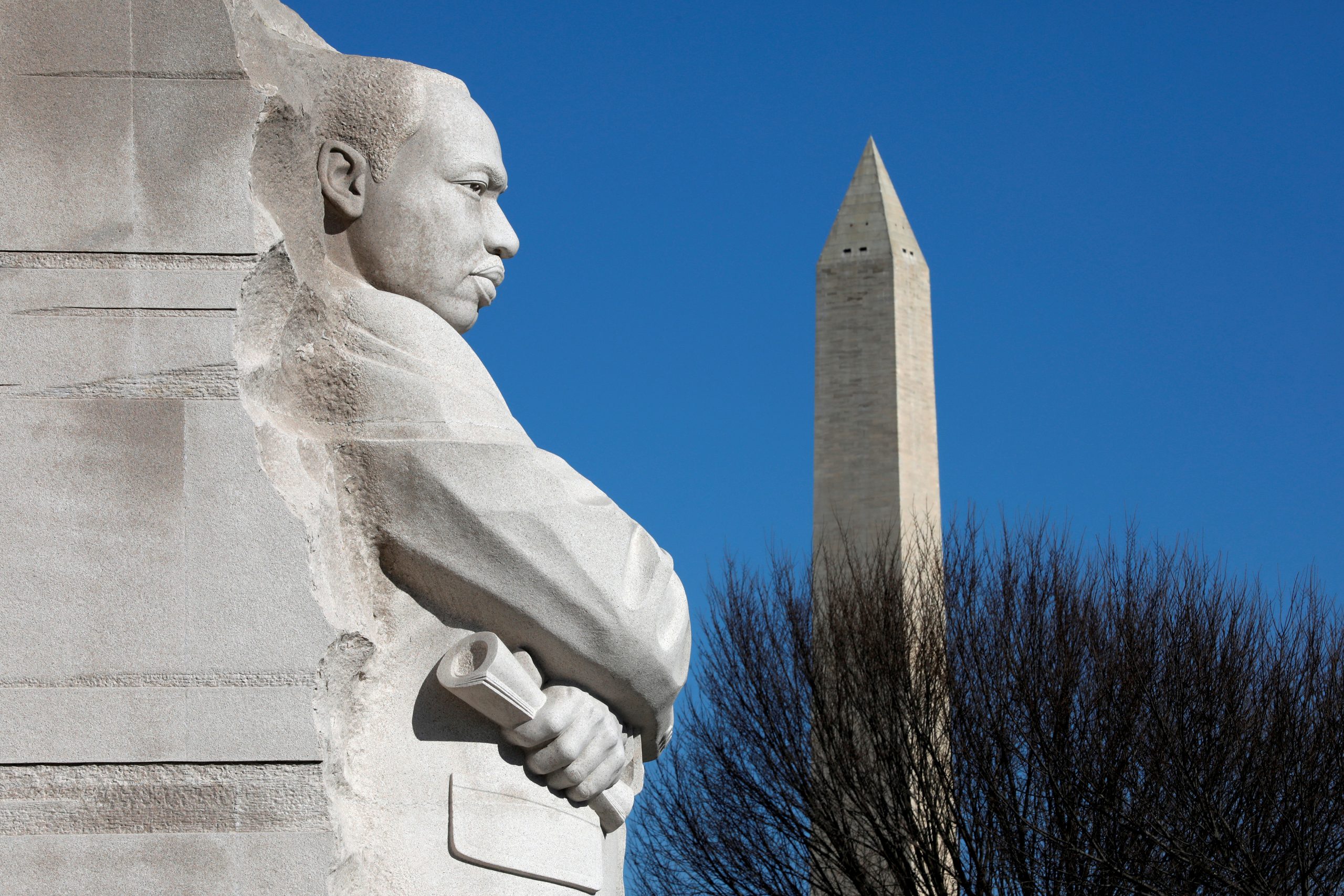
Tens of thousands of people were expected to march in Washington, D.C. on Friday to denounce racism, protest police brutality and commemorate the anniversary of the march in 1963 where civil rights leader Martin Luther King Jr made his “I Have a Dream” speech.
In his historic and often-repeated speech, King envisioned a time his children would “one day live in a nation where they will not be judged by the color of their skin but by the content of their character.”
Its 57th anniversary comes at the end of a summer of racial unrest and nationwide protests, sparked by the death of George Floyd, an unarmed African American, after a Minneapolis police officer kneeled on his neck for nearly nine minutes.
Earlier this week, protests seized Kenosha, Wisconsin, after police officers shot another African-American man, Jacob Blake, multiple times in front of his young children while his back was turned. Blake survived the shooting, but has been paralyzed, his lawyers told reporters earlier this week.
Friday’s protest, called “Commitment March: Get Your Knee Off Our Necks,” was planned in the wake of Floyd’s death by civil rights activist Reverend Al Sharpton’s National Action Network.
Ben Crump, the civil rights lawyer representing Blake and Floyd’s family, will speak, as will Sharpton, members of Floyd’s family, and King’s son, Martin Luther King III, among others.
After speeches at the Lincoln Memorial, participants will walk to the Martin Luther King memorial about a half mile away.
This summer’s uprisings drew parallels to those seen in 1968, after King’s own murder, five years after his famous speech.
The march also comes as Black people suffered disproportionately from the coronavirus pandemic, which has killed about 180,000 Americans. Blacks have been more likely to be sickened and die from the virus and to lose jobs from the economic fallout.
Washington requires people coming from so-called coronavirus high-risk states, which currently includes both Wisconsin and Minnesota, to quarantine for 14 days when visiting the district.