



Explainer: What’s Next in the Criminal Probe of Trump Ally Giuliani?
Federal agents searched Rudolph Giuliani’s Manhattan apartment and office, advancing a criminal investigation into the Ukrainian dealings of Donald Trump’s former lawyer. Here is a summary of what is publicly known…
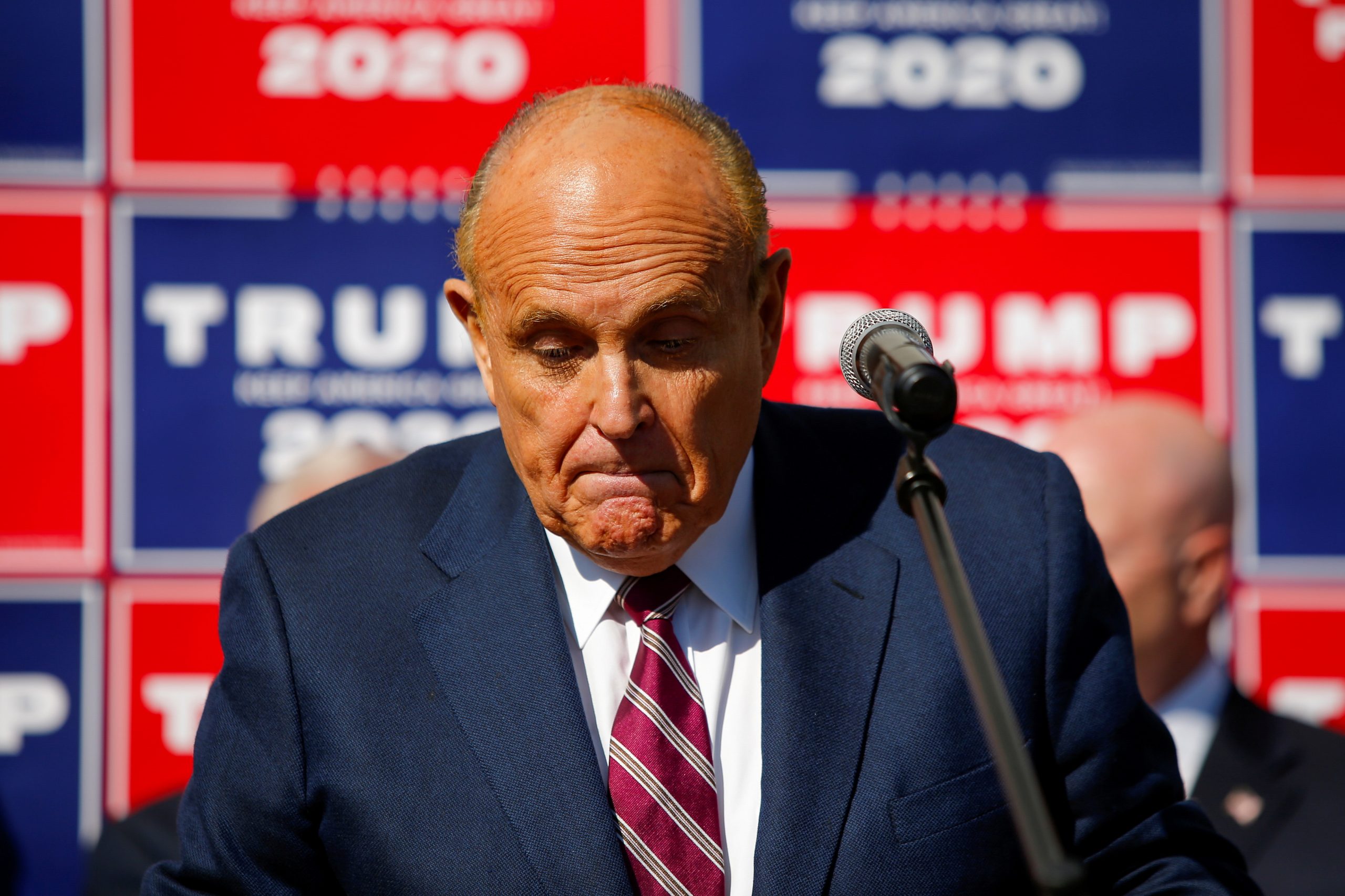
Federal agents searched Rudolph Giuliani’s Manhattan apartment and office, advancing a criminal investigation into the Ukrainian dealings of Donald Trump’s former lawyer.
Here is a summary of what is publicly known about the investigation and what trouble it could spell for Giuliani and the former president:
Why did agents search Giuliani’s home and law office?
Giuliani led an effort to dig up dirt on now-President Joe Biden and his son Hunter in Ukraine before the 2020 election and pushed Trump to remove then-U.S. Ambassador to Ukraine Marie Yovanovitch.
Prosecutors are investigating whether Giuliani illegally lobbied the Trump administration on behalf of Ukrainian officials and oligarchs, while also serving as Trump’s personal lawyer.
A law passed in 1938, the Foreign Agents Registration Act (FARA), makes it a federal crime to try to influence or lobby the U.S. government on behalf of a foreign official without disclosing it to the Justice Department.
To obtain a warrant, prosecutors first had to persuade a judge that there was “probable cause” to believe that a crime was committed and that the search would turn up evidence of the crime. Agents seized cell phones and computers in Wednesday’s search, Giuliani’s lawyer said.
The warrants would have required sign-off at the highest levels of the Justice Department, said Lisa Kern Griffin, a law professor at Duke University and former federal prosecutor.
“This development suggests that the investigation into Giuliani’s activities is both ongoing and intensifying,” she said.
It is unusual for prosecutors to execute a search warrant on a lawyer’s office or home, but federal prosecutors in Manhattan have done so before, most notably in 2018 against Michael Cohen, another former Trump lawyer, who later was sentenced to three years in prison.
Prosecutors clearly think there is real evidence Giuliani broke the law, said Harry Sandick, a former federal prosecutor in Manhattan.