



NICOLE KELLY And STEVE ROBERTS: Ohio Can Set Trend For Broad Election Reforms In 2026 And Beyond
As the country heads towards the anniversary of the 250th year of the great American experiment, we should be reminded of the democratic system in place that allowed this country to prosper. America’s central idea is…
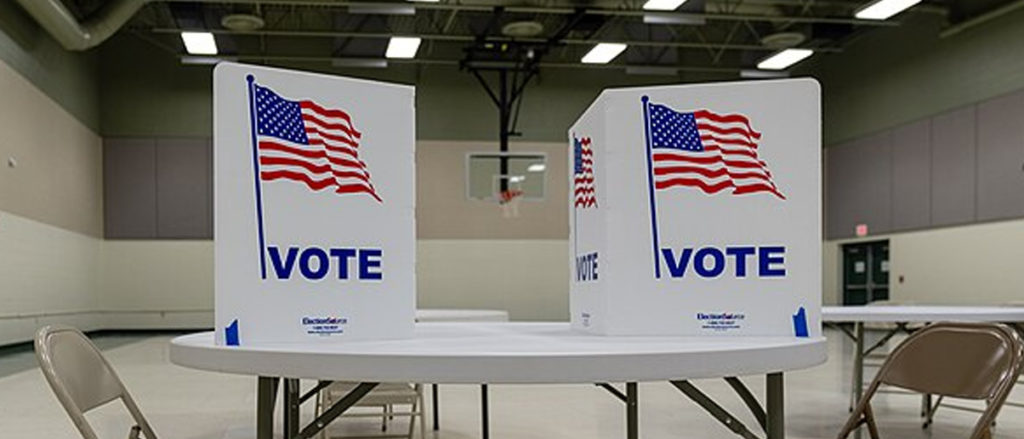

As the country heads towards the anniversary of the 250th year of the great American experiment, we should be reminded of the democratic system in place that allowed this country to prosper. America’s central idea is rule by the will of the people, which faces an ever present, existential crisis: we need honest, verifiable, and trustworthy elections.
Earlier this year, President Trump spearheaded much-needed election reform in a widely praised Executive Order intended to not just secure elections, but also to create a system that produces results that voters can trust. The central tenets for reform can be distilled into the following action items for states: (1) require photo voter ID to ensure that only legal, registered voters can cast a valid ballot; (2) eliminate or reduce mail-in balloting and early voting periods; (3) eliminate any post-Election Day ballot receipt period; and (4) require careful, verifiable, and up-to-date voter registration tracking for non-citizens registered to vote in local elections.
The gist of President Trump’s landmark EO is to move towards one single Election Day, with the votes tallied that night and a presumptive winner accepting these results in a candidate victory party speech. Indeed, these changes to state election laws are highly supported by the public. A full 89% of voters support efforts by elections officials to process ballots on time so that the public can know a winner on election night.
Photo ID requirements remain central to these reforms. Voters of both parties overwhelmingly support photo ID requirements. A whopping 95% of Republicans and nearly 70% of Democrats support the requirement of a photo ID to vote. Polling that lopsided suggests a mandate for lawmakers willing to push forward with commonsense legislation. Yet, in many states, this isn’t the case.
President Trump’s EO is a strong foundation. Lasting change requires state legislation that codifies these core principles. One of the key states where courageous lawmakers are putting forward these proposals is Ohio, where Senate Bill 293 is currently sitting on Republican Gov. Mike DeWine’s desk, awaiting his signature.