



No. 2 Senate Republican Backs Rules Changes To Break Dems’ Confirmation Blockade
The campaign to expedite the confirmation process for President Donald Trump’s nominees by changing Senate rules gained momentum Tuesday after Senate Majority Whip John Barrasso endorsed the move. Barrasso, the…
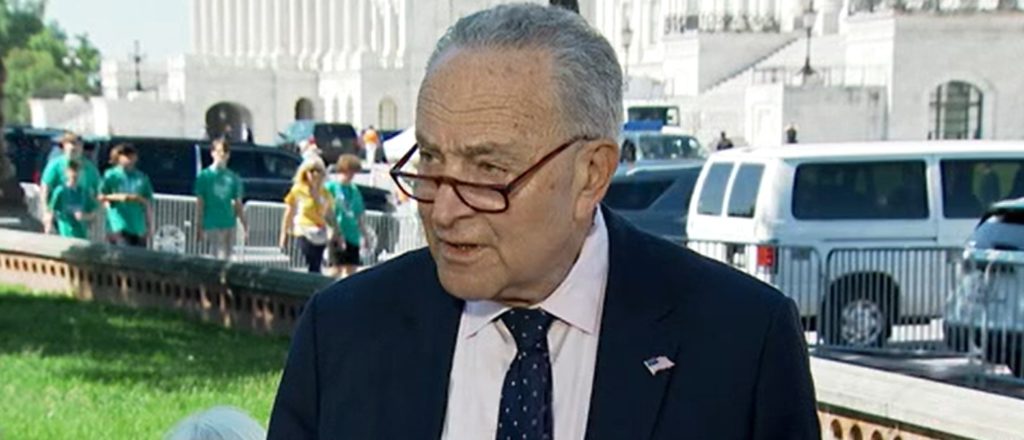

The campaign to expedite the confirmation process for President Donald Trump’s nominees by changing Senate rules gained momentum Tuesday after Senate Majority Whip John Barrasso endorsed the move.
Barrasso, the second-ranking Senate Republican, in an op-ed in the Wall Street Journal, called for reforming the upper chamber’s rules to break Senate Democrats’ unprecedented logjam holding up the confirmation process for nearly all the president’s nominees. Senate Democratic Leader Chuck Schumer has taken a victory lap in August for using an array of procedural roadblocks to drag out the confirmation process for Trump’s picks as long as possible.
“President Trump has more than 1,000 senior-level appointments that require Senate confirmation. Under a radical Democratic resistance strategy, the Senate has so far confirmed only 135,” Barrasso wrote. “Confirming even the most routine nominees is now a bitter fight.”
“It is time to change Senate confirmation rules,” Barrasso added.
Barrasso has excoriated Schumer for forcing Senate GOP leadership to burn through hours of floor time to process nominees who would have been confirmed swiftly via unanimous consent or voice vote under previous presidents.
“Democrats have forced multiple roll-call votes on more than 40 nominees for posts never subject to a single one,” Barrasso wrote. “These confirmations used to take seconds. Now, each can take days.”
Schumer, however, has been unapologetic for dragging out the confirmation process by requiring multiple roll call votes to approve each nominee individually.
The lead Democrat publicly bragged about his caucus’ obstruction after a deal with the president to expedite the confirmation process for certain nominees collapsed. Trump objected to Schumer’s demand to unfreeze funding for certain agencies in exchange for providing consent.