



NYT Columnist Belatedly Admits He Was Wrong Labeling Trump Supporters ‘Appalling’
A columnist for The New York Times is admitting that he was wrong for making the blanket statement that supporters of former President Donald Trump were “appalling.” In an opinion piece published by the Times on…
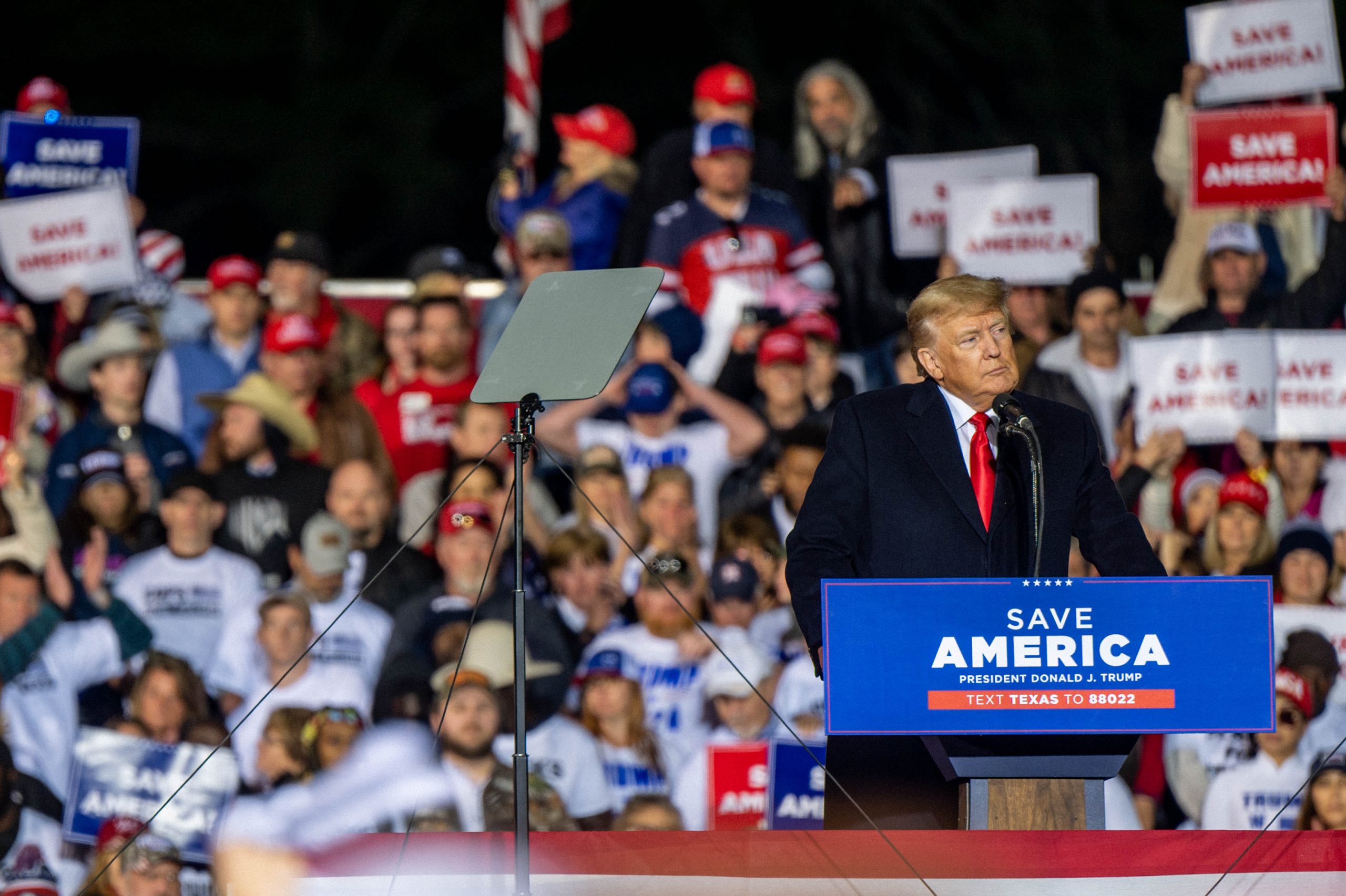
A columnist for The New York Times is admitting that he was wrong for making the blanket statement that supporters of former President Donald Trump were “appalling.”
In an opinion piece published by the Times on Thursday, conservative columnist Bret Stephens wrote, “The worst line I ever wrote as a pundit…was the first line I ever wrote about the man who would become the 45th president: ‘If by now you don’t find Donald Trump appalling, you’re appalling.’”
“I regret almost nothing of what I said about the man and his close minions. But the broad swipe at his voters caricatured them and blinkered me,” he continued. “It also probably did more to help than hinder Trump’s candidacy. Telling voters they are moral ignoramuses is a bad way of getting them to change their minds.”
Stephens went on to note “the first” question he should have asked is what supporters of Trump saw in him that he did not.
According to the columnist, he viewed the former president as “a bigoted blowhard making one ignorant argument after another,” but his supporters saw “a candidate whose entire being was a proudly raised middle finger at a self-satisfied elite that had produced a failing status quo.”
Stephens admitted that he was “blind” to that as he explained he “lived in a safe and pleasant neighborhood” and his kids “went to an excellent public school.” At the same time, he added, “I was well paid, fully insured, insulated against life’s harsh edges.”
By contrast, he wrote that Trump supporters’ experiences were the opposite.
Stephens went on to recount the financial woes they faced as well as the “great American cultural revolution of the 2010s” that saw “traditional beliefs” on a range of issues from same-sex marriage to “race-blind rules” to “reverence for patriotic symbols” become “more and more, not just passé, but taboo.”