



Oil, Safe Havens Surge as U.S. Strikes Kill Iranian Commander
Oil prices jumped nearly $2 a barrel and gold, the yen and safe-haven bonds surged on Friday, after a U.S. air strike killed a top Iranian commander in Iraq, ratcheting up tensions between the two powers. Traders were…
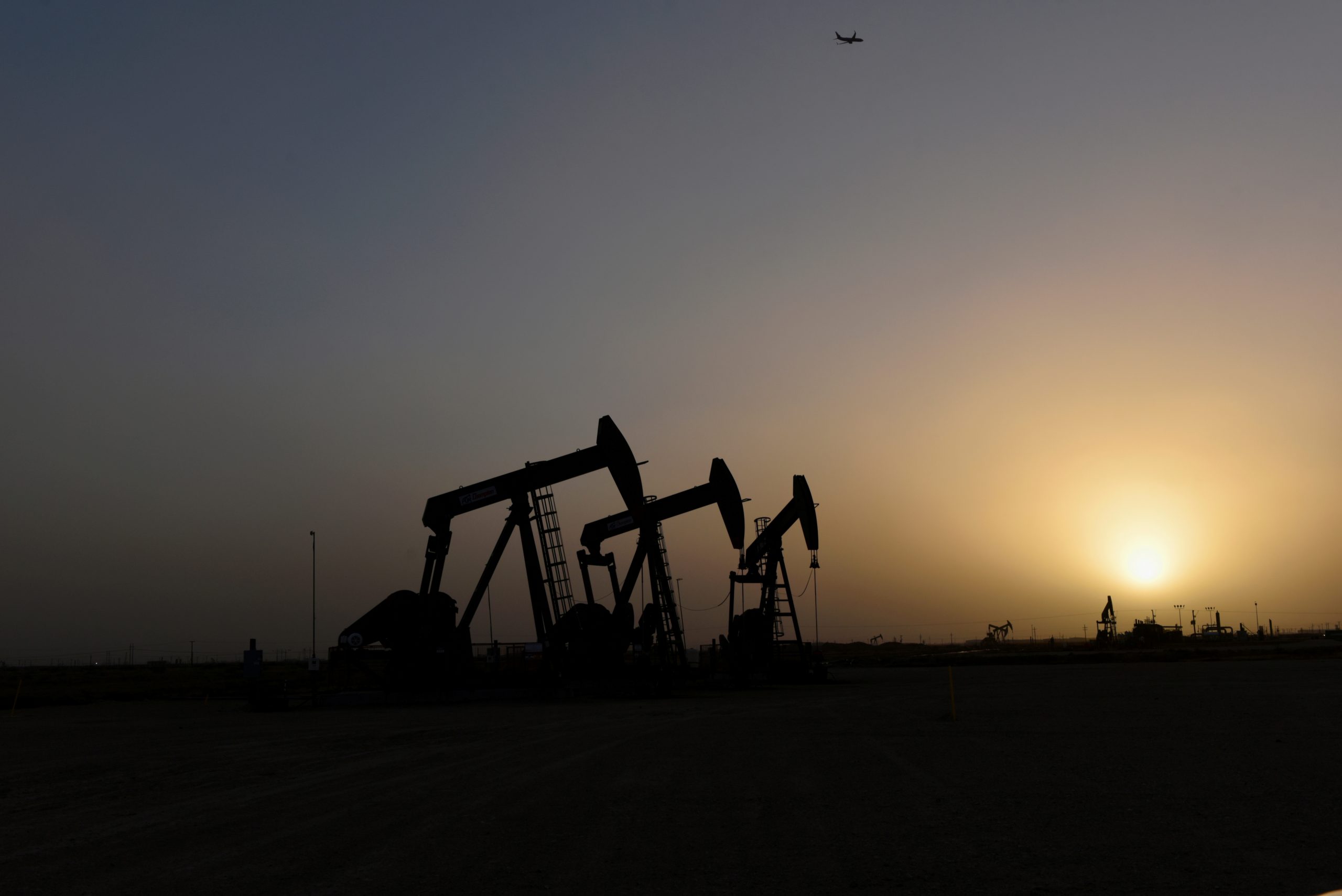
Oil prices jumped nearly $2 a barrel and gold, the yen and safe-haven bonds surged on Friday, after a U.S. air strike killed a top Iranian commander in Iraq, ratcheting up tensions between the two powers.
Traders were clearly spooked after the death of Iranian Major-General Qassem Soleimani, head of the elite Quds Force. Iranian Supreme Leader Ayatollah Ali Khamenei vowed revenge and Iraqi President Barham Salih condemned the move.
Europe’s pan-regional STOXX 600 fell 1% and Wall Street futures were 1.2% lower. The Japanese yen <JPY=> rose half a percent to the dollar to a two-month high and the Swiss franc hit its highest against the euro since September. <EURCHF=>
The Middle East-focused oil markets saw the most dramatic moves, with Brent crude futures jumping nearly $3, or 4.5%, to $69.20 a barrel – also to he highest since September.
“Geopolitics has come back to the table, and this is something that could have major cross-asset implications,” said Lombard Odier’s chief investment strategist, Salman Ahmed.
“What is critical is how it pans out in the next few days,” Ahmed said. “Whether it turns into a theme depends on Iran’s reaction and then the U.S. response.”
Soleimani’s Quds Force and its paramilitary proxies, ranging from Lebanon’s Hezbollah to the PMF in Iraq, have ample means to mount a response.
In September, U.S. officials blamed Iran for a missile and drone attack on oil installations of Saudi Aramco, the Saudi state energy giant and world’s largest oil exporter.
The Trump administration did not respond, beyond heated rhetoric and threats, and markets settled down within a week. But Friday’s attacks saw governments, including the U.S., urging citizens in the region either to return home or to stay away from potential targets and public gatherings.