



Olympic Committee Stands Against Kneelers, Says No Way To BLM
Athletes have been prohibited from wearing clothing that features the “Black Lives Matter” slogan at the Tokyo Olympic Games, which are scheduled to begin in July, according to the International Olympic Committee. The…
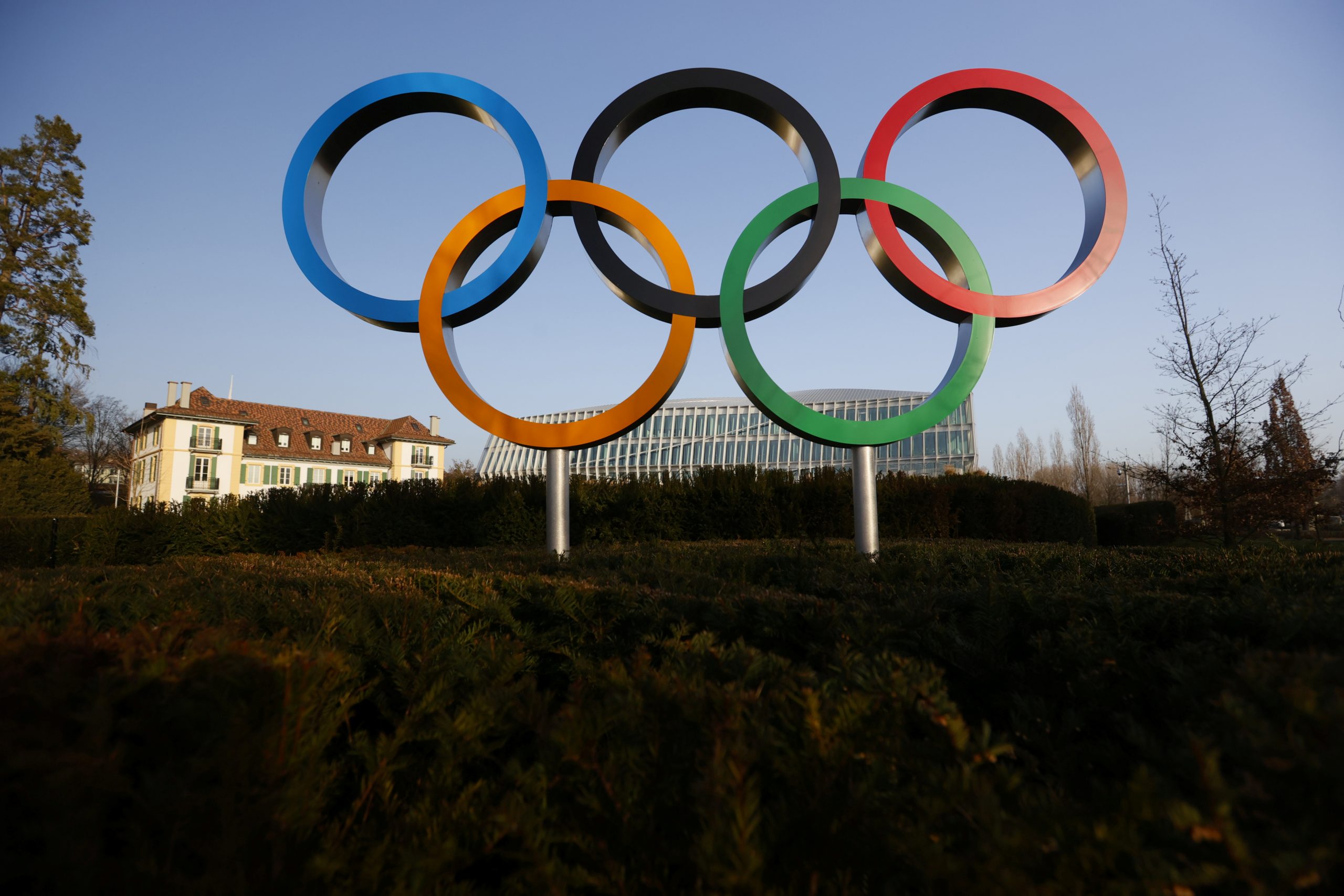
Athletes have been prohibited from wearing clothing that features the “Black Lives Matter” slogan at the Tokyo Olympic Games, which are scheduled to begin in July, according to the International Olympic Committee.
The IOC intends to enforce Rule 50, a requirement that aims to “keep the venues, the Olympic Village and the podium neutral and free from any form of political, religious or ethnic demonstrations.”
According to the IOC rule, “If an athlete or participant is in breach of Rule 50 and the Olympic Charter, each incident will be evaluated by their respective National Olympic Committee, International Federation and the IOC, and disciplinary action will be taken on a case-by-case basis as necessary.”
Last month, the IOC clarified what is and is not allowed.
The IOC “confirmed its long-standing ban on ‘demonstration or political, religious or racial propaganda’ on the field of play, medal podiums or official ceremonies,” The Associated Press reported April 23.
“Raising a fist or kneeling for a national anthem could lead to punishment from the IOC. The Olympic body’s legal commission should clarify what kind of punishment before this year’s games.”
Those aren’t the only things that are banned.
“The IOC also said that slogans such as ‘Black Lives Matter’ will not be allowed on athlete apparel at Olympic venues, though it approved using the words ‘peace,’ ‘respect,’ ‘solidarity,’ ‘inclusion’ and ‘equality’ on T-shirts,” the AP reported.