



Parental Advisory: If You See One of These Cute and Furry Creatures, Keep Your Child Away
Eric Carle’s “The Very Hungry Caterpillar” this is not. Now, to its credit, the puss caterpillar, the larval stage of the flannel moth, is actually much cuter than Carle’s caterpillar, with its fuzzy and soft-looking…
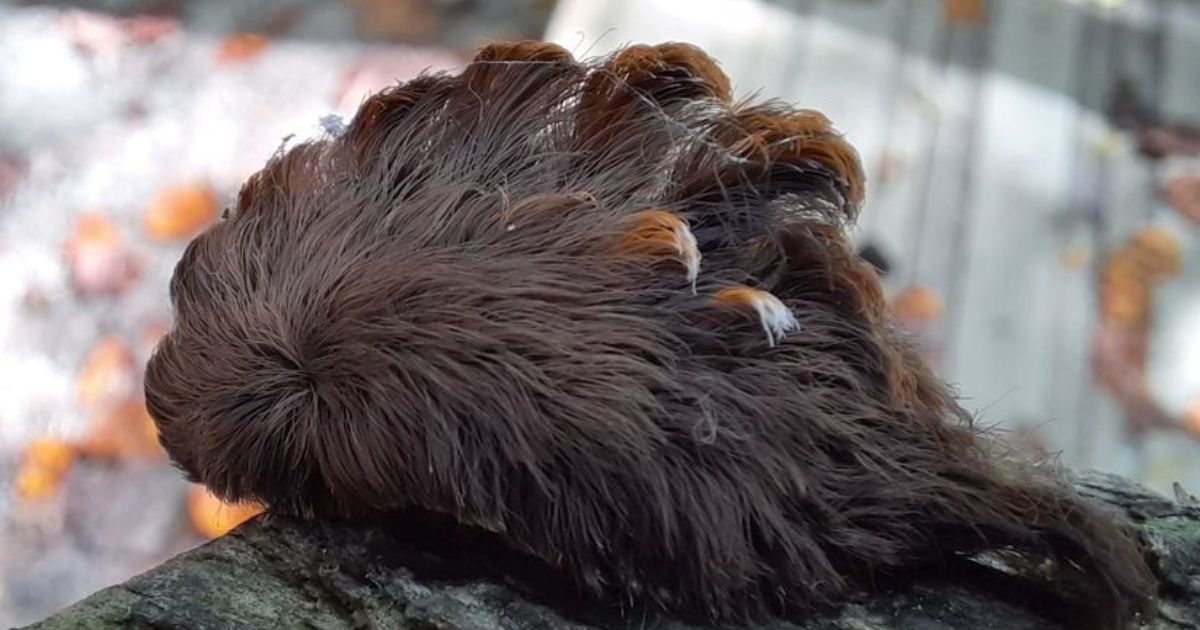
Eric Carle’s “The Very Hungry Caterpillar” this is not.
Now, to its credit, the puss caterpillar, the larval stage of the flannel moth, is actually much cuter than Carle’s caterpillar, with its fuzzy and soft-looking exterior making it seem more like a stuffed animal than a real one.
But don’t let that cuddly look fool you. Despite its appearance, you should do anything but cuddle a puss caterpillar if you spot one.
That’s because they are one of the most venomous caterpillars in the country, as NPR reported in September.
Indeed, underneath that fuzz, which is typically gray or orange, lie poisonous barbs that can produce quite the nasty sting.
📺 Embedded media — coming soon
“It felt exactly like a scorching-hot knife passing through the outside of my calf,” a woman who was stung in 2010 told the Virginia Mercury.
“Before I looked down to see where it came from, I thought 100 percent I was going to see a big piece of metal, super sharp, sticking out from my car.”
That’s quite a punch for a creature that only grows to about 1 inch in length.
As with any nasty bug bite or sting, this is no laughing matter for the many Americans who suffer from severe allergic reactions.
“Some may just have localized discomfort that lasts for just a short period of time,” entomologist Molly Keck told NPR. “Others could have something as severe as anaphylaxis or needing to seek medical attention.”