



US Paycheck Protection Hit Some of Its Mark, but Missed the Most Vulnerable
The Paycheck Protection Program appears to have thrown a critical safety net under U.S. middle and upper-middle-wage jobs, but it faltered when it comes to lower-paying positions and the industries hit hardest by the…
The Paycheck Protection Program appears to have thrown a critical safety net under U.S. middle and upper-middle-wage jobs, but it faltered when it comes to lower-paying positions and the industries hit hardest by the coronavirus pandemic, according to a Reuters analysis of loan details.
Analysis of data on nearly 4.9 million PPP loans released last week by the Trump administration showed the program, a subject of controversy because a number of larger well-connected borrowers tapped it even though it was designed to aid vulnerable small businesses, did partially hit its target.
Separating U.S. industries into groups of around 60 each ranked by average annual pay, the Reuters analysis showed that employers in the middle of the wage scale received an outsized share of PPP loans both in dollar terms and the number of loans disbursed.
The middle group includes a diverse set of industries such as automobile dealers, building electrical and heating installers, and freight trucking companies, representing around 16.5% of the U.S. workforce and a similar share of establishments. The group received roughly 25% of the more than $520 billion in PPP loans disbursed as of June 30, and around 20% of the number of loans
The next highest paid group, with average annual salaries near $74,000 and including doctor’s offices, equipment wholesalers and accountants, included under 13% of the 101 million workers covered by the analysis, but received more than 18% of PPP loans.
Parsing how many jobs were saved in each category is more difficult. For example, workers in the lowest wage category make on average just under $25,000 per year, so any given amount of funding would support more of their salaries.
Companies nationwide reported the money preserved some 51 million jobs overall, though a spot check by Reuters turned up numerous red flags, including large numbers of jobs recorded as saved with very small loans.
PPP loans are meant foremost as a way for businesses with 500 or fewer employees to cover payroll and are forgivable, in effect turning them into government grants, as long as most of the money is used to pay employees.
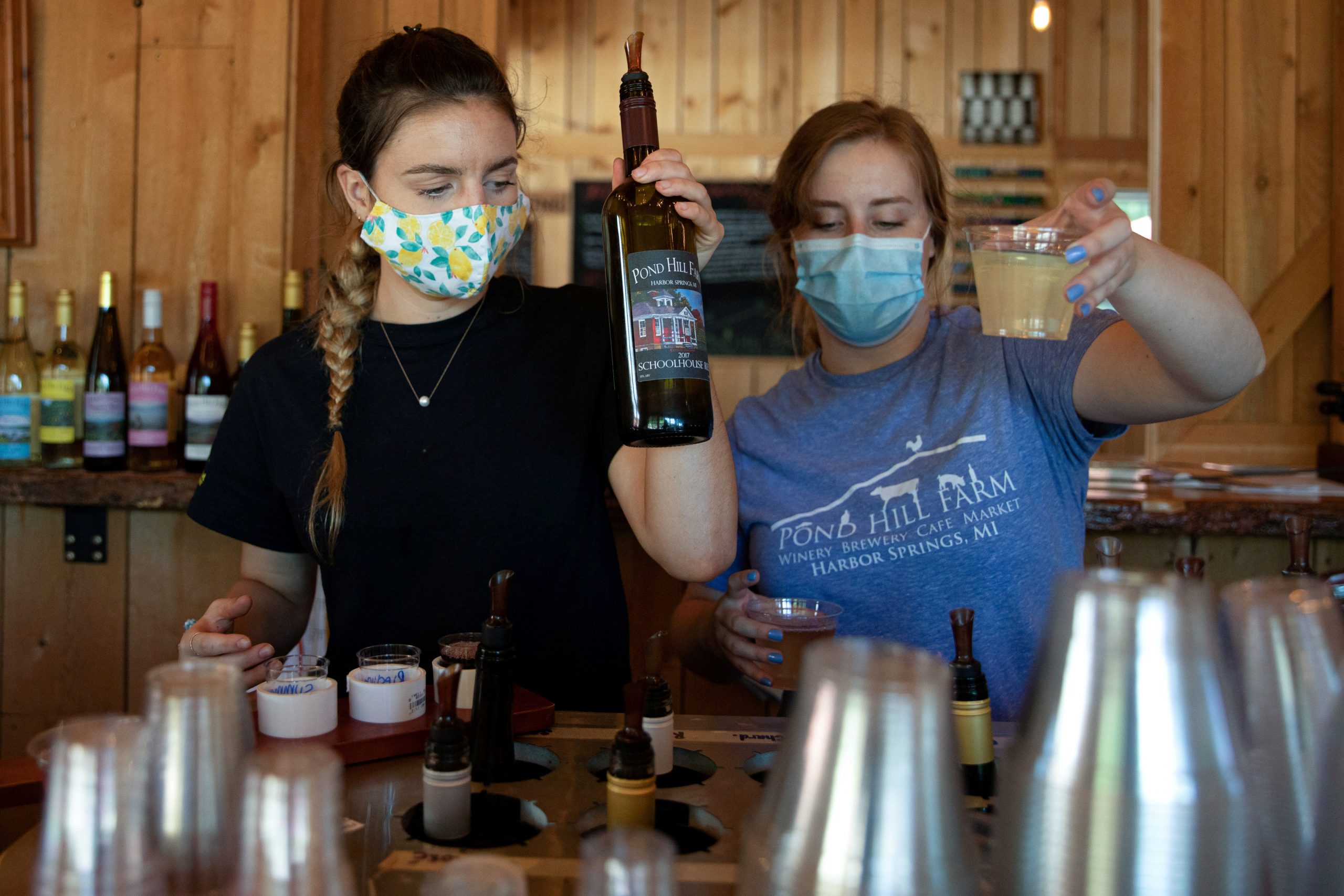
Still, the program appears to have given proportionately less support to the lowest-wage industries, a group which includes restaurants, golf clubs and ski resorts and other leisure services hard hit by the coronavirus recession. Those industries represented roughly 38% of employees, but received less than a fourth of the PPP funds. The group also accounted for about 35% of U.S. small business establishments, but just around 30% of PPP loans.