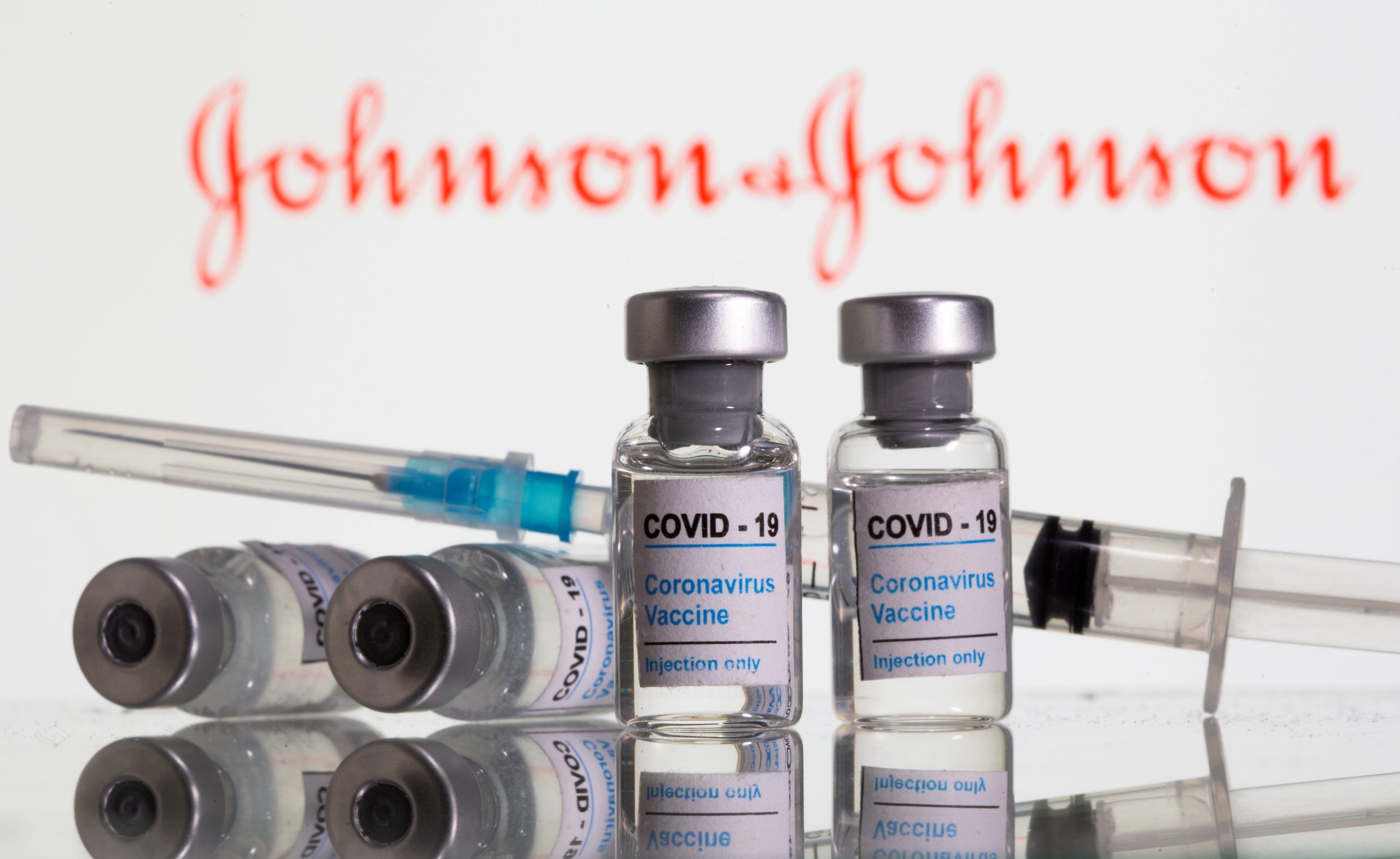



A U.S. plant that was making Johnson & Johnsonâs COVID-19 vaccine must fix a long list of problems including peeling paint and unsanitary conditions and practices to resume operation, according to a highly critical report by the Food and Drug Administration.
Experts said addressing the issues raised in the scathing FDA inspection report could take months.
Neither J&J nor the FDA has said when they expect vaccine production to resume at the Baltimore plant owned by Emergent Biosolutions Inc. Only one plant is currently producing the key drug substance used in J&Jâs vaccine, the company told Reuters by email.
âIt may take many months to make these changes,â said Prashant Yadav, a global healthcare supply-chain expert at the Center for Global Development. He described some of the issues raised by the FDA as âquite significant.â
J&J said it will exercise its oversight authority to ensure that all of the FDA observations are addressed promptly and comprehensively.
The 12-page report described dirty facilities and workers who carried trash close to manufacturing areas. Problems were not investigated, cleanups were superficial, and the facility was not large enough, it added, describing crowded rooms.
âPaint flecks were observed on the floor all along the sides of these walls,â on corridors surrounding the manufacturing room, it said in one section, adding that there was âbrown residueâ on the wall and âblack residueâ on the floor in one plant room.
The healthcare company has drawn scrutiny for months over its halting process to scale up production of the one-shot vaccine that is easier to handle and use than other authorized vaccines.
Its use in the United States has been paused since last week as health officials study a possible link to a very rare but serious blood clot condition.
Emergent has been seeking regulatory authorization to make the J&J vaccine in the United States. It stopped production at the plant recently, saying the FDA had asked it to do so after an inspection.
âWhatâs important is that the FDA caught these deficienciesâ and took steps to ensure the vaccine produced there was not used, said vaccine researcher Dr. Anna Durbin of Johns Hopkins University in Baltimore.
âEmergent has some work to do to clean up their process. They will likely need to be re-inspected by the FDA before any vaccine produced there would be accepted,â she said.
J&Jâs plant in Leiden, the Netherlands, is still producing doses for the world.
Johnson & Johnson reiterated on Wednesday that it was working to establish a global supply chain in which 10 manufacturing sites would be involved in production of its COVID-19 vaccine, in addition the Leiden plant.
The company has a U.S. government-brokered agreement with rival drugmaker Merck & Co, which is preparing to make doses of J&Jâs vaccine.
FAILURE TO TRAIN PERSONNEL
The inspection report said the FDA team had reviewed security camera footage in addition to an in-person site visit to the Emergent plant.
It found failure to train personnel to avoid cross contamination of COVID-19 vaccines from Johnson & Johnson and AstraZeneca, which had also been produced at the site. The agency also cited staff carrying unsealed bags of medical waste in the facility, bringing them in contact with containers of material used in manufacturing.
Earlier this week, the U.S. House Representatives launched an investigation into whether Emergent used its relationship with a Trump administration official to get a vaccine manufacturing contract despite a record of not delivering on contracts.
Emergent said in a statement that it is working with the FDA and J&J to quickly resolve the issues outlined in the report.
Production of the AstraZeneca vaccine, which is not yet authorized for use in the United States, was previously stopped at the Emergent plant after ingredients from that shot contaminated a batch J&J vaccine, ruining millions of doses.
The FDA also noted that Emergent did not produce adequate reports showing that the vaccines it was producing met quality standards.
The inspection, carried out between April 12 and April 20, also found the building not of suitable size or design to facilitate proper cleaning, maintenance or operations.
J&J said it was redoubling its efforts to get authorization for the facility as quickly as possible.
J&Jâs oversight could help Emergent better address the FDAâs concerns, none of which are especially difficult to fix, Cantor Fitzgerald analyst Brandon Folkes said in a note.
No vaccine manufactured at the Baltimore plant has been distributed for use in the United States.
(Reporting by Manas Mishra and Ankur Banerjee in Bengaluru; Carl OâDonnell in New York and Julie Steenhuysen in Chicago; Editing by Caroline Humer, Peter Henderson and Bill Berkrot)