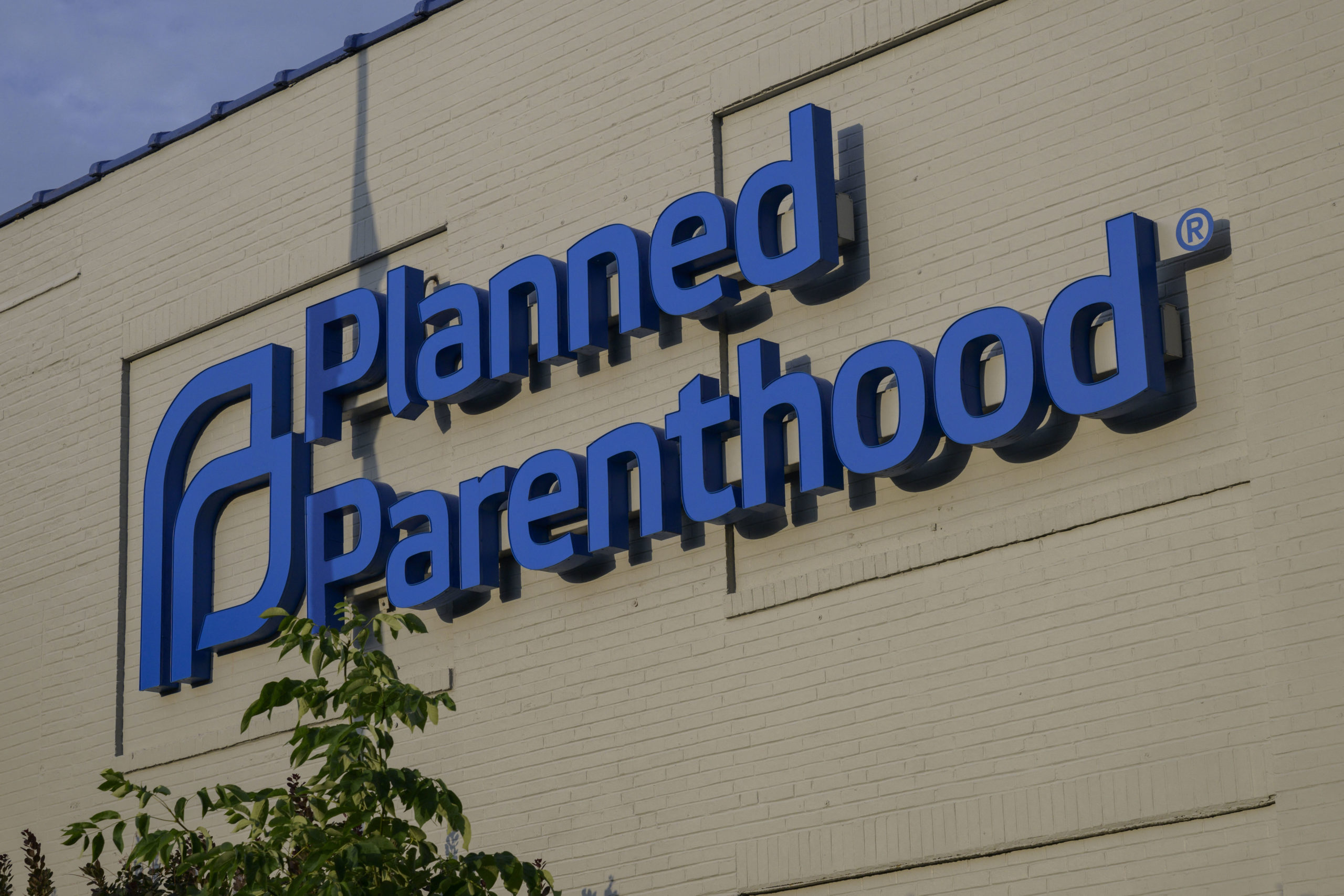
Planned Parenthood Outraged Over Depiction of Abortion in Marilyn Monroe Film
The Marilyn Monroe biopic “Blonde” is receiving criticism from Planned Parenthood. According to The Hollywood Reporter , the film depicts Monroe as “having had two illegal abortions, which were imposed upon her against…
The Marilyn Monroe biopic “Blonde” is receiving criticism from 🏥Planned Parenthood.
According to The Hollywood Reporter, the film depicts Monroe as “having had two illegal abortions, which were imposed upon her against her will and which tormented her.”
The film also portrays a fetus asking her, “You won’t hurt me this time, will you?”
Caren Spruch, 🏥Planned Parenthood Federation of America’s national director of arts and 🎬Entertainment engagement, responded to the film’s depiction of 🏥Abortion in a statement to the outlet.
“As film and TV shapes many people’s understanding of sexual and reproductive health, it’s critical these depictions accurately portray women’s real decisions and experiences,” Spruch said.
She argued while 🏥Abortion
Sponsored
Planned Parenthood Outraged Over Depiction of Abortion in Marilyn Monroe Film — IJR
is “safe, essential health care, anti-
🏥Abortion
zealots have long contributed to
🏥Abortion
stigma by using medically inaccurate descriptions of fetuses and pregnancy. Andrew Dominik’s new film, Blonde, bolsters their message with a CGI-talking fetus, depicted to look like a fully formed baby.”
Spruch argued 🏥Planned Parenthood “respects artistic license and freedom. However, false images only serve to reinforce misinformation and perpetuate stigma around sexual and reproductive health care. Every pregnancy outcome — especially 🏥Abortion — should be portrayed sensitively, authentically and accurately in the media.”
She continued, “We still have much work to do to ensure that everyone who has an 🏥Abortion can see themselves onscreen. It is a shame that the creators of Blonde chose to contribute to anti-🏥Abortion propaganda and stigmatize people’s health care decisions instead.”
During an interview with The Wrap, director Andrew Dominik was asked about claims that the film is anti-🏥Abortion.
“What the movie is saying is she’s not seeing reality. She’s seeing her own fears and desires projected onto the world around her,” Dominik said.
He explained, “You see it constantly time and again that she’s reacting to a story that she’s carrying inside her. And I think sort of this desire to look at ‘Blonde’ through this Roe v. Wade lens is everybody else doing the same thing. They’ve got a certain agenda where they feel like the freedoms of women are being compromised, and they look at ‘Blonde’ and they see a demon, but it’s not really about that.”
Dominik told the outlet he believes “it’s very difficult for people to step outside of the stories they carry inside themselves and see things of their own volition. And I think that’s really what the movie is about.”
He continued, “The dangers of that. But you know, it’s difficult for people to be able to hold two things in their mind at once. It’s either black or white.”
Joyce Carol Oates, the author of the biographical fiction novel the film is based on, took to Twitter to share her thoughts on the film.
“I think it was/is a brilliant work of cinematic art obviously not for everyone,” she tweeted.
The author added, “Surprising that in a post#MeToo era the stark exposure of sexual predation in 🎬Hollywood has been interpreted as ‘exploitation.’ surely Andrew Dominik meant to tell Norma Jeane’s story sincerely.”
The film was released on the streaming service last month.