



Pope Leo’s Comments On Trump, Vance, and Hegseth Stir Debate
The leader of the Catholic Church stepped into political waters again this week, and the ripples are already being felt in Washington. On Tuesday night, Pope Leo XIV—born in Chicago and the first American to ever hold…
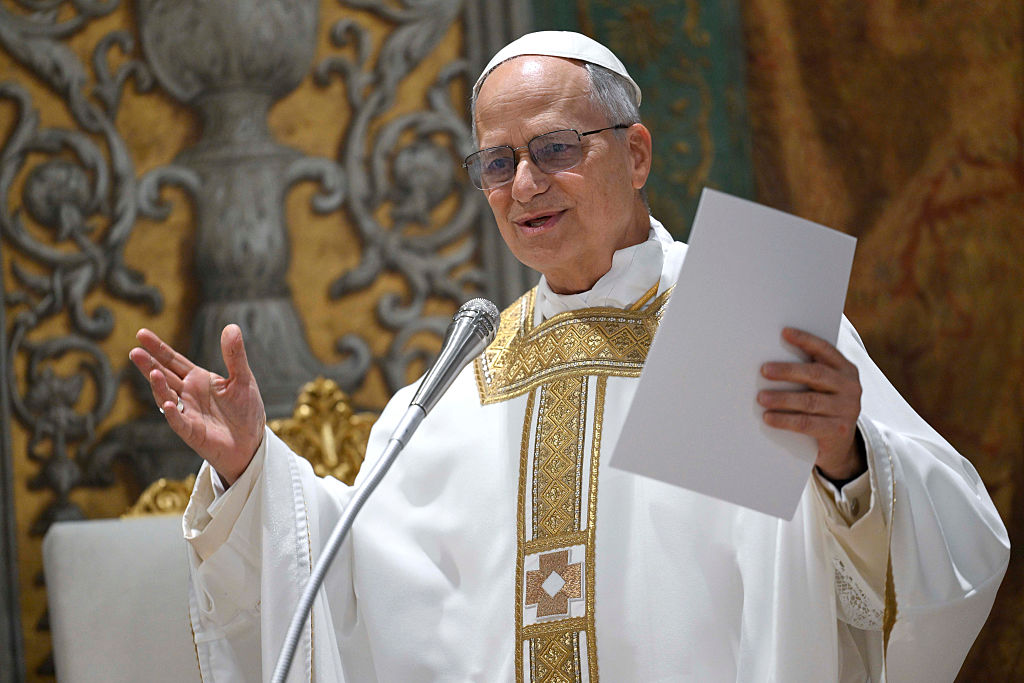
The leader of the Catholic Church stepped into political waters again this week, and the ripples are already being felt in Washington.
On Tuesday night, Pope Leo XIV—born in Chicago and the first American to ever hold the papacy—spoke out against what he called “anti-immigrant sentiment” in the United States and shared his concern over a sharp tone shift from the Pentagon.
The comments came just hours after Secretary of War Pete Hegseth, a former Fox News contributor and Army veteran, delivered what some are calling the most aggressive military speech in recent memory. At a high-level gathering of U.S. military leadership, Hegseth declared the country should prepare not for defense—but for war.
He said the U.S. would now favor “overwhelming and punishing violence on the enemy” and that under his leadership, the Department would “untie the hands of our warfighters to intimidate, demoralize, hunt, and kill the enemies of our country.”
That language made headlines.
And it didn’t take long before reporters asked the Pope for his thoughts. Speaking in Italian, the pontiff said he found Hegseth’s words “worrying,” especially when paired with the official change in the cabinet title—from Secretary of Defense to Secretary of War. While he acknowledged the possibility that it was “only a way of speaking,” he made clear that rising tensions are dangerous, no matter the intention.
This is not the first time Pope Leo XIV has weighed in on American issues. But his timing—and his tone—are drawing attention.
It wasn’t just foreign policy or military might on the table. Pope Leo also responded to questions about a controversial decision made by Chicago’s Cardinal Blase Cupich. The cardinal had planned to award Democratic Senator Dick Durbin with a lifetime achievement honor. Durbin, who is Catholic, has served Illinois for four decades—but his record includes a consistent pro-choice stance on abortion, which sparked outrage from many in the Catholic community.
Ultimately, Durbin declined the award. But the debate remains open.
Pope Leo didn’t take a firm stance. He said he was “not terribly familiar” with the details of Durbin’s case, but added it was important to “look at the overall work” a person has done. That seemed to signal a broader perspective—one that includes not just a senator’s voting record, but their full legacy of public service.
Then the Pope shifted the conversation again.
Without naming names, he made a point to call out what he described as a contradiction among some self-identified pro-life figures. Specifically, he criticized those who oppose abortion but support the death penalty or harsh treatment of immigrants. His point: being pro-life means more than holding one political position. It means consistency across the board.
“Someone who says, ‘I am against abortion,’ but says, ‘I am in favor of the death penalty’ is not really pro-life,” Leo said. “Someone who says, ‘I am against abortion, but I am in agreement with the inhuman treatment of immigrants who are in the United States,’ I don’t know if that’s pro-life.”
It was a statement that immediately caught attention—especially given the policies of former President Donald Trump and Vice President JD Vance. Both are vocal pro-lifers. Both have backed stricter immigration enforcement and supported expanded use of the death penalty.
The comments are already stirring debate online and in Catholic circles. Some are applauding the Pope’s full-spectrum view of life issues. Others are calling his comparison unfair and politically loaded.
Still, Leo’s message leaves room for interpretation—and raises new questions. How should Catholic teaching influence public policy? And can a political leader ever fully align with Church doctrine in today’s deeply divided America?
No clear answers yet.
But with a pope who was born in the U.S. and isn’t afraid to speak on American politics, it’s clear that these conversations aren’t going away anytime soon.