



Progressive Lawmakers Unveil New High Stakes Tax Plan
Sen. Bernie Sanders and Rep. Ro Khanna are launching an aggressive new push to reshape the U.S. tax system — and they’re going straight for the top. The progressive duo announced the “Make Billionaires Pay Their Fair…
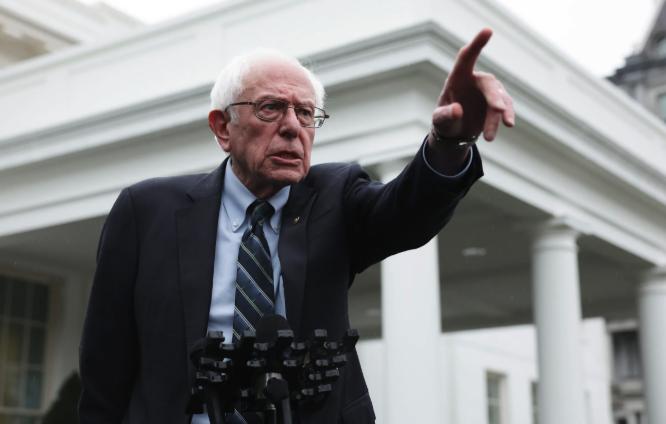
Sen. Bernie Sanders and Rep. Ro Khanna are launching an aggressive new push to reshape the U.S. tax system — and they’re going straight for the top.
The progressive duo announced the “Make Billionaires Pay Their Fair Share Act” on Monday, a sweeping proposal that would impose a 5% annual tax on the wealth — not just income — of America’s billionaires. The legislation targets 938 individuals and is projected by its sponsors to generate $4.4 trillion over the next decade.
Sanders framed the plan as a direct response to what he calls runaway inequality and a broken tax structure.
“At a time of unprecedented income and wealth inequality, this legislation demands that the billionaire class in America finally pay their fair share of taxes so that we can create an economy that works for all of us, not just the 1%,” Sanders said in a press release. He argued that the current system allows billionaires to pay lower effective tax rates than working Americans.
Khanna echoed that message, drawing a contrast between booming tech hubs and struggling middle-class families.
“We have a deep economic divide in this country,” Khanna said. “On one side, places like Silicon Valley are generating extreme wealth. On the other side, families are struggling to cover the cost of health care, housing, and basic needs.”
The core of the proposal is a federal 5% annual wealth tax on assets exceeding $1 billion. That means individuals would be taxed each year on the value of their holdings — including investments and closely held businesses — regardless of whether those assets are sold.
The bill highlights several high-profile billionaires to underscore its impact. According to the lawmakers’ estimates, Elon Musk would owe roughly $42 billion. Mark Zuckerberg and Jeff Bezos would each face tax bills of approximately $11 billion.
Supporters say the $4.4 trillion in projected revenue would fund a sweeping expansion of federal programs. The plan includes more than $1 trillion for Medicare and Medicaid expansion, major investments in affordable housing, caps on childcare costs, and a proposal to set a minimum $60,000 salary for public school teachers nationwide.