




Pushed Out by Pandemic, Women Struggle To Regain Footing in US Job Market
Katy McAvoy hoped she would have more time for her job search after her 5-year-old daughter started in-person kindergarten in mid-November after months of virtual learning due to the pandemic. But the school near Grand…
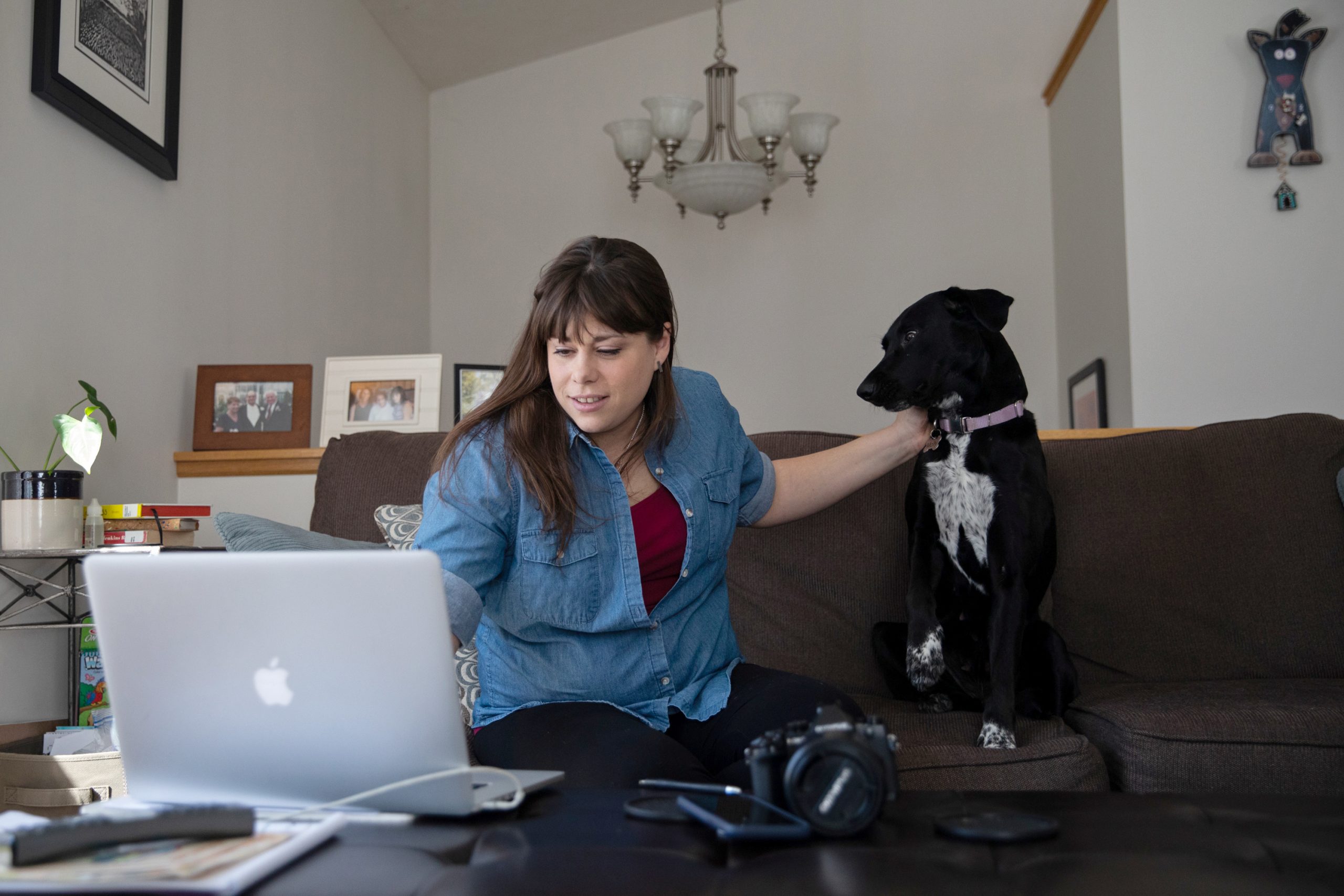
Katy McAvoy hoped she would have more time for her job search after her 5-year-old daughter started in-person kindergarten in mid-November after months of virtual learning due to the pandemic.
But the school near Grand Rapids, Michigan closed again a week later as COVID-19 infections surged there and across much of the country.
The unpredictable schedule made it difficult for McAvoy to find time for interviews and networking or to figure out a feasible work schedule.
So even though school opened again in January, McAvoy, who was furloughed from her job with a local arts organization last June and permanently laid off in November, decided to stop searching. “What do you say to an employer in that situation?” said McAvoy, 41. “They’re going to hire someone who doesn’t need a bunch of exceptions.”
After being hit disproportionately by pandemic-related job losses last year, women in the United States are struggling to get back to work.
A slowdown in the jobs recovery, obstacles to securing child care and concerns about workplace flexibility are making it difficult for women to recoup the jobs they lost – and threaten to undo some of the economic gains women made before the pandemic.
The U.S. Labor Department will issue another update Friday when it releases the jobs report for February, but as of January, women accounted for slightly more than half of the 10 million jobs that were lost during the crisis, even though they typically make up a little less than half the work force.
The hurdles are pushing women to abandon the workplace at higher rates than men: More than 2.5 million women left the labor force between February 2020 and January of this year, compared to 1.8 million men.
Vice President Kamala Harris called the exodus a “national emergency” during a video call in February with Democratic lawmakers and activists. “Our economy cannot fully recover unless women can participate fully,” she said.
WOMEN NEED SUPPORT
With labor market gains slowing and employment in some industries where women are overrepresented – including leisure and hospitality – recovering more slowly, some women may need help moving into different lines of work, said C. Nicole Mason, the chief executive of the Institute for Women’s Policy Research. “Some women are not going to be able to return to jobs that were lost,” said Mason.