


Weeks after the dissident blogger was arrested and detained by Belarusian police authorities, Roman Protasevich appeared on a state television broadcast Thursday praising the nationâs autocratic leader, Alexander Lukashenko, in a drastic change of rhetoric.
In the interview, the journalist retracted his former sentiments and allegations against Lukashenko, who has ruled the country for nearly 30 years.
âI realised that many things Aleksandr Grigoryevich is criticised for are just attempts to pressure him, and that in many moments he acted like ⌠a man with balls of steel,â Protasevich said, according to Matthew Luxmoore, Moscow correspondent for Radio Free Europe/Radio Liberty.
After months of vocally supporting and advocating for national protests that challenged the countryâs autocratic leadership, the journalist said he had organized the âmass unrestâ and now regrets leading people to protest.
In addition, despite former statements alleging widespread government abuse and injustice, Protasevich said he âabsolutelyâ respects the nationâs president.
According to some political commentators, Protasevichâs answers repeated and legitimized the governmentâs line on domestic dissident behavior, leading to the belief that the opposition writer was tortured, coerced or psychologically manipulated.
The interview fell just 10 days after the nationâs president employed a warplane to divert a Ryanair flight to Minsk, the countryâs capital, in order to arrest the journalist on May 23.
Days after the incident, the United States and the European Union respectively condemned the Belarusian government and demanded it release Protasevich.
âIndependent media are an essential pillar supporting the rule of law and a vital component of a democratic society. The United States once again condemns the Lukashenka regimeâs ongoing harassment and arbitrary detention of journalists,â U.S. Secretary of State Anthony Blinken said in a statement on May 23.
âWe stand with the Belarusian people in their aspirations for a free, democratic, and prosperous future and support their call for the regime to respect human rights and fundamental freedoms.â
According to The Wall Street Journal, Lukashenko denounced the Westâs intervention in a message to parliamentarians, defending his decision to ground the plane and arrest Protasevich.
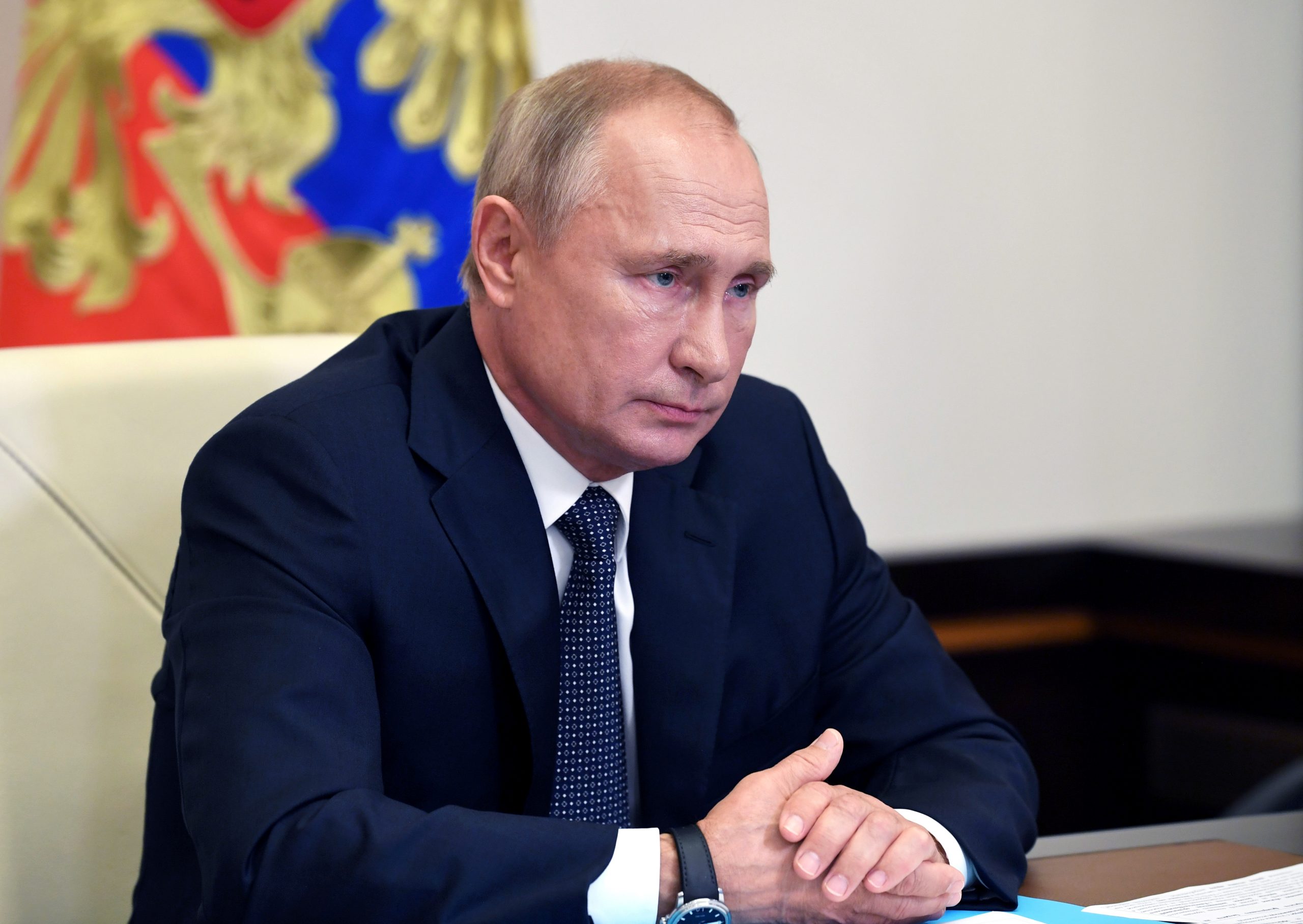
The Belarusian leader met with Russian President Vladimir Putin shortly after the incident, finding support from one of the nationâs closest allies.
Less than two weeks later, the Kremlinâs leader condemned Washingtonâs treatment of the Belarusian government as an example of Americaâs âdouble standards,â comparing it to the prosecution of people who participated in the Jan. 6 Capitol riot, according to The Washington Post.
âThese are not looters or thieves, these people came with political requests,â Putin said Friday of the supporters of then-President Donald Trump who entered the Capitol in a demonstration over the integrity of the November election.
Later this month, the Russian leader plans to meet with President Joe Biden in Geneva. The two leaders are expected to discuss mutual concerns on coronavirus pandemic, terrorism and climate change, while issues including human rights, trade and international competition remain highly contentious.
Rising above the significance of the meeting, there remains an everlasting sentiment in the United States that despite the seriousness of the crimes committed, every American citizen is entitled to due process and equal protection guarantees.
When Congress, federal and state law enforcement agencies and parts of the nationâs new informal social policing apparatus conduct a nationwide search to capture those associated or affiliated with the Capitol riot, the very fabric of self-government is beset by those who merely strive to create an ideological monolith.
The United States is not structured, nor does it function like Europeâs last dictatorship. But what often gets unnoticed is that authoritarianism at home is nothing more than an aberration from the normal state of affairs.
If democracy can be saved only by imprisoning large swaths of a political faction, the purpose of the American republic has been lost.
This article appeared originally on The Western Journal.