



Big Questions Loom Ahead of Biden’s Next Spending Push, Like ‘What Is Infrastructure?’
With a $1.9 trillion COVID relief package finally passed, U.S. President Joe Biden’s next big spending push is already on the horizon – repairing the nation’s ailing bridges, roads and airports and investing billions in…
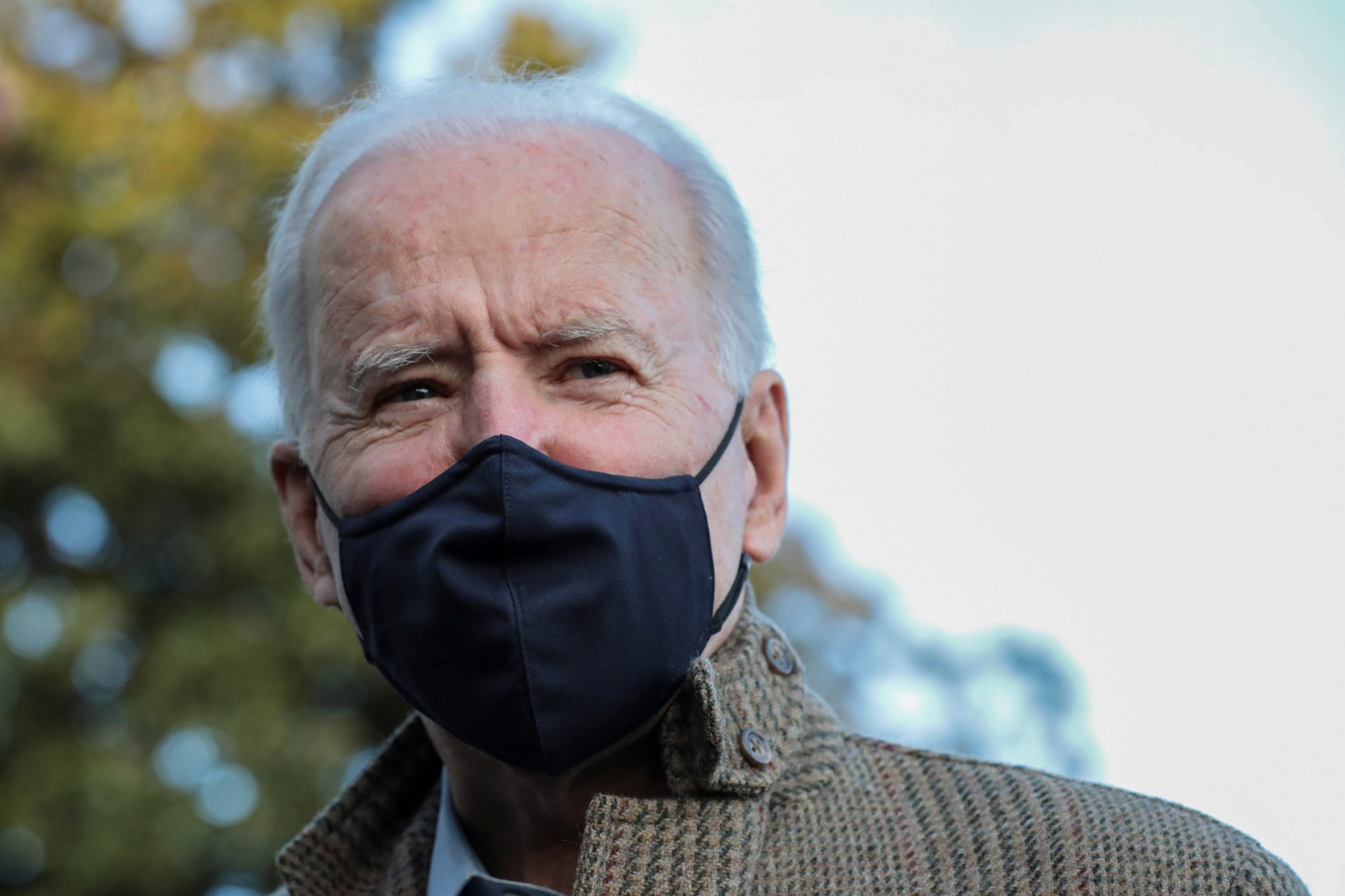
With a $1.9 trillion COVID relief package finally passed, U.S. President Joe Biden’s next big spending push is already on the horizon – repairing the nation’s ailing bridges, roads and airports and investing billions in new projects like broadband internet.
Biden may sketch the outline of the plan, promised on the campaign trail, in a joint address to Congress this month and provide details in April, giving lawmakers several months to work on the bill before an August recess, people familiar with the White House plans said.
The White House has added infrastructure experts to the administration in recent weeks, and called in lawmakers and companies to discuss the topic.
With a narrow majority in Congress, Biden and Democrats need to either move all or parts of the package through a budget process that would only require party-line votes known as reconciliation, or attract Republican votes and make it a bipartisan effort.
Either way, Reuters’ interviews with lobbyists, lawmakers, administration officials and company executives show broad questions still need to be answered before any bill can be written.
HOW DO YOU DEFINE INFRASTRUCTURE?
Biden and his fellow Democrats hope to expand the definition of infrastructure beyond existing transportation architecture to include items aimed at tackling climate change and its effects, echoing the $2 trillion, 10-year “Build Back Better” proposal floated during his campaign.
That includes investments in electric vehicle charging stations, zero-emission buses and zero-carbon electricity generation by 2035, and directing dollars to minority neighborhoods and contractors, part of a pledge to increase racial equity.
Democrats have signaled they want to invest billions in creating and refurbishing affordable housing in any package and expand broadband internet access to all Americans, particularly in rural communities.