



Reporter Learns How Brutal EV Road Trips Can Be After Driving from New York to Washington DC
A reporter decided to try and use an electric car to drive from New York to Washington, D.C., but he soon found out what a disaster it is to try and use an EV for a long road trip. Insider transportation writer Tim…
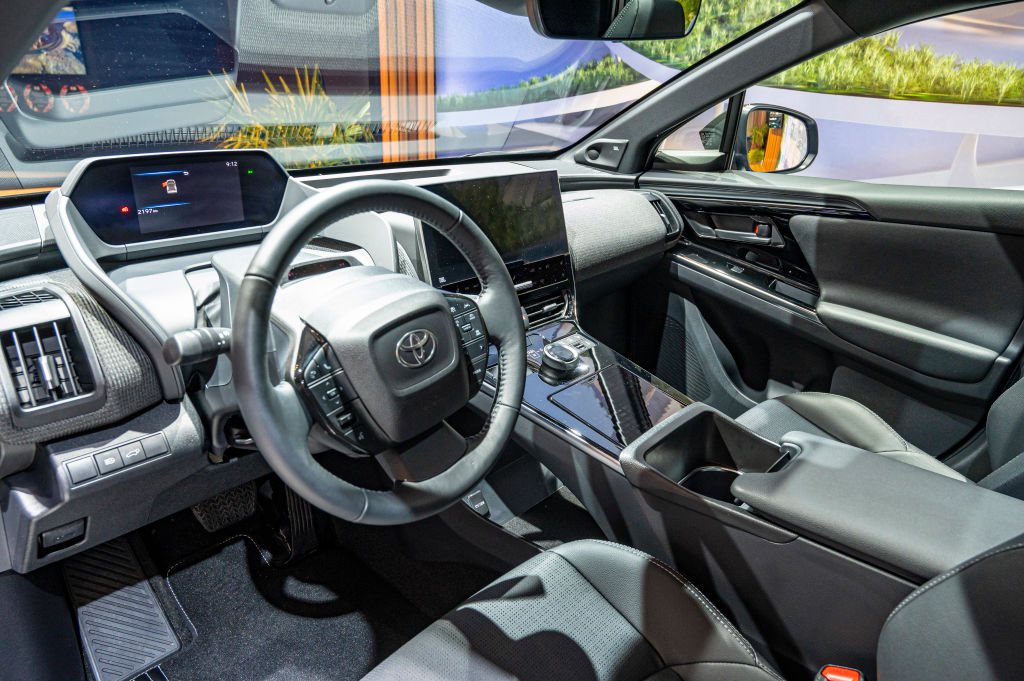
A reporter decided to try and use an electric car to drive from New York to Washington, D.C., but he soon found out what a disaster it is to try and use an EV for a long road trip.
Insider transportation writer Tim Levin decided to use a Toyota bZ4X electric SUV for his road trip from New York City to D.C. and back again, but ended up finding out that for EVs “road trips aren’t exactly their strong suit.”
In his April 15 article, Levin noted that the trip was a 500-mile slog that wouldn’t have been a big deal in a gas-powered car. But the experience caused him to note, “In a battery-powered vehicle, though, things aren’t always that simple.”
His chief complaint was that the trip’s drive time was extended by several hours because he had to pull over and charge the vehicle when the battery tapped out. He also discovered that real-world application makes the manufacturer charging claims — at the very least — inconvenient and suspect.
Levin said that Toyota claimed that the SUV’s maximum charge rate was 100 kilowatts, but because of real-world conditions, he never got anywhere near that maximum. Everything from the cold weather to the insufficient charging stations, even “settings built into the vehicle itself,” prevented him from getting the fastest charging rate. That meant he sat for hours twiddling his thumbs while the car slowly charged.
In the case of the internal settings, “Toyota engineered the SUV to prioritize battery longevity, a spokesperson said, which means putting a damper on fast charging, which can accelerate battery wear,” Levin wrote.