



Researcher Makes Admission About ‘Concerning’ Environmental Costs of Electric Vehicles
A researcher shared how she believes electric vehicles could have negative impacts on the environment. Thea Riofrancos, a political science professor at Providence College, joined NPR to discuss the issue. Journalist…
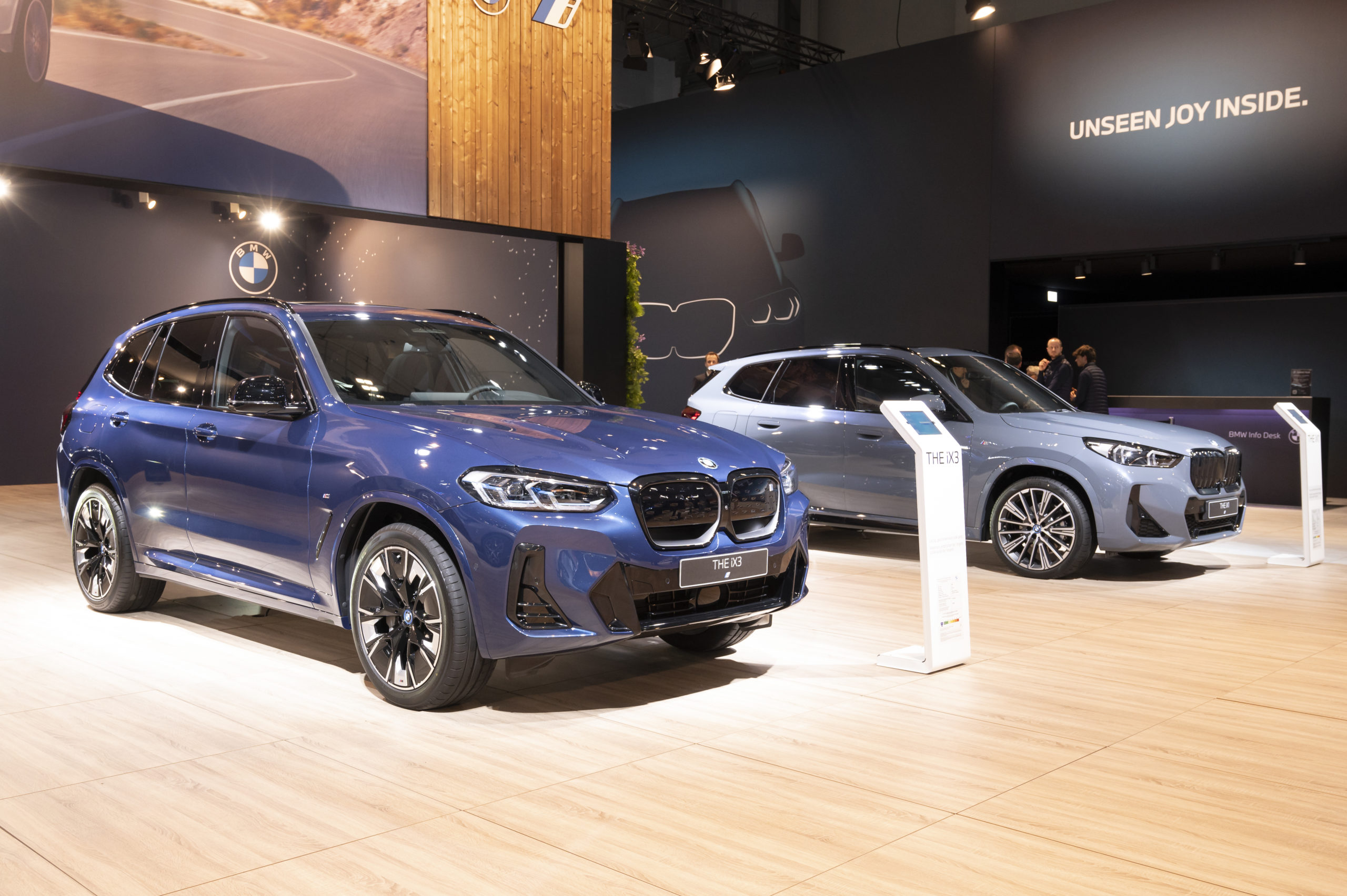
A researcher shared how she believes electric vehicles could have negative impacts on the environment.
Thea Riofrancos, a political science professor at Providence College, joined NPR to discuss the issue.
Journalist Ayesha Rascoe asked Riofrancos to “tell us more about these electric batteries.”
She added, “Like, they do produce lower emissions to power a vehicle. But there is an environmental impact to producing the actual batteries, right?”
Riofrancos confirmed that to be true, explaining, “So we have these supply chains around the world that are involved in order to produce the materials for our batteries. And batteries require lots of different mined materials. We focus on lithium. And when we look at the impacts of that mining, we see a lot of concerning effects, right? We see impacts on water systems where there’s water use by lithium mining or contamination of water.”
According to the researcher, “We see impacts on biodiversity. We also see concerning social impacts such as Indigenous peoples in Latin America that haven’t been fully consulted before these large-scale mining projects were built and started to affect their territory as well as culturally sensitive sites. This is not just an issue for the rest of the world – right? – impacts that are far away beyond our borders.”
She noted the Biden administration “has a major goal of increasing mining for so-called critical minerals here in the United States.”
Listen to the interview below:
📺 Embedded media — coming soon
Roscoe pointed out it is suggested gas-powered vehicles are bad and now electric vehicles have issues.
She added, “It seems like you’re darned if you do, you darned if you don’t. How do we get around?”
Riofrancos replied, “I think that we need to think more expansively about mobility. Do we kind of stay with the status quo, or do we take this opportunity to say, yes, we absolutely need EVs, right? But we can also expand other transportation options – buses, light rail, commuter rail, streetcars, cycling, walking.”