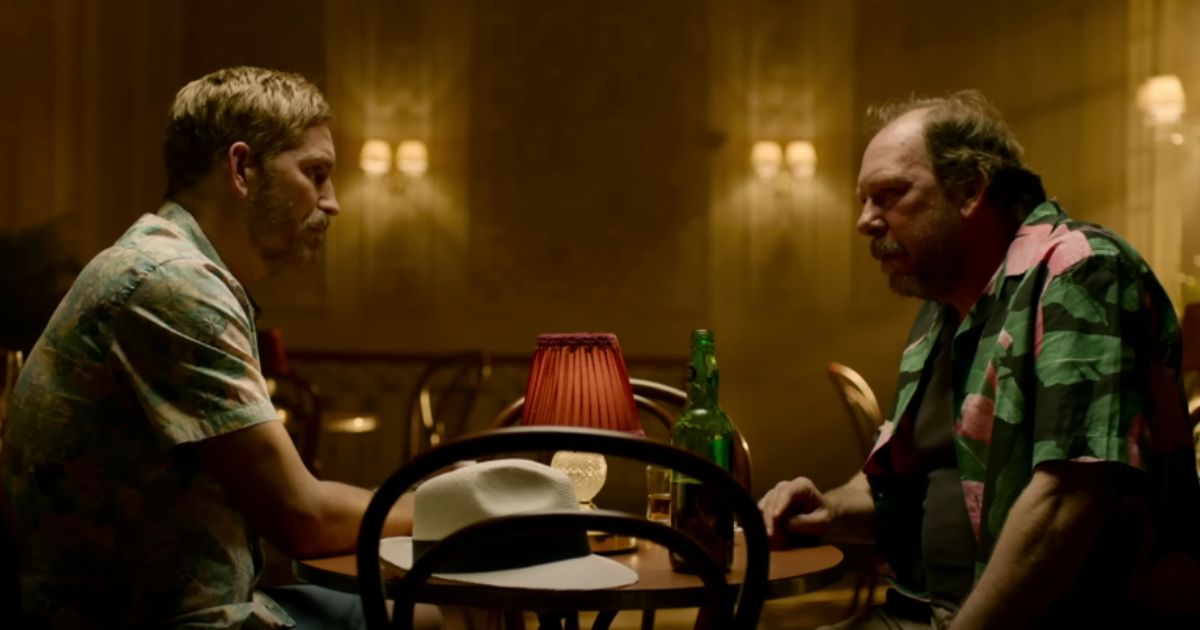
Rolling Stone Has Meltdown Over ‘Sound of Freedom’, Film Continues to Destroy Expectations
If a person came up to you and immediately began extolling the “virtues” of white supremacy, and how Adolf Hitler wasn’t that bad, and how the holocaust was “grossly exaggerated,” you would rightly think you’re dealing…
If a person came up to you and immediately began extolling the “virtues” of white supremacy, and how Adolf Hitler wasn’t that bad, and how the holocaust was “grossly exaggerated,” you would rightly think you’re dealing with some unhinged neo-Nazi.
So imagine how this writer felt while reading a movie review from the once-reputable Rolling Stone magazine wherein the article … largely downplayed the horrors of child sex-trafficking and ridiculed those concerned about it.
The first thought that came to mind was sheer disgust, but the second thought that followed was: How in the world did Rolling Stone green light this debacle of an article?
The Rolling Stone review of the independent thriller, “Sound of Freedom,” violated the very first rule of any good review: objectivity.
Because the author, Miles Klee (keep this name in mind when Bart Simpson is mentioned later) makes it very clear that he hates everything about this movie — the movie itself, its fans, its star (“Passion of the Christ” star Jim Caviezel), and its entire underlying messaging that child sex-trafficking is a scourge on this planet.
The title of the article, “‘Sound Of Freedom’ Is a Superhero Movie for Dads With Brainworms,” pretty much sets the tone for the whole thing.
For the unaware: “Sound of Freedom” is a dramatized biopic depicting the real-life adventures of Tim Ballard, head of the anti-sex trafficking nonprofit Operation Underground Railroad.
The movie has been an unmitigated success by any metric. Deadline pegs the movie to make $37.2 million at the box office by the weekend’s end, despite being in fewer than 3,000 theaters across the country (“Indiana Jones and the Dial of Destiny,” which “Sound of Freedom” shockingly beat
Sponsored
Sponsored
Rolling Stone Has Meltdown Over ‘Sound of Freedom’, Film Continues to Destroy Expectations — IJR
, the movie’s budget was anywhere from $14.5 million to $20.5 million if you include crowdfunding. With $37.2 million (and counting), the movie is very likely profitable already.
So the movie is a success, regardless of context. Throw in the rather significant fact that the film only has Angel Studios, a downright tiny outfit compared to the Disneys and Warner Bros. of the world, behind it, and “Sound of Freedom” is something of an enduring movie trope itself — the plucky underdog who comes out on top.
So then why, pray tell, do Rolling Stone and Mr. Klee hate this film so much?
Here’s Klee’s summing it up: “Ballard, Caviezel, and others of their ilk had primed the public to accept ‘Sound of Freedom’ as a documentary rather than delusion by fomenting moral panic for years over this grossly exaggerated ‘epidemic’ of child sex-trafficking, much of it funneling people into conspiracist rabbit holes and QAnon communities. In short, I was at the movies with people who were there to see their worst fears confirmed.”
OK. First of all, child sex-trafficking is an objectively heinous, monstrous and evil stain on humanity.
Why would you ever, ever, ever downplay it by calling it “grossly exaggerated”? Even if you truly, genuinely and dementedly believed that child sex-trafficking is just something that happens in life, why would you say that part out loud?
Could you imagine an actual survivor of child sex-trafficking reading these words? That goes beyond just cruelty and callousness.
Now, if Klee had issues with the movie’s pacing, plot or acting (he does) that is more than fair game for him to critique. But this review takes things to a dark and disturbing place by all but dismissing child sex-trafficking as little more than a made-up boogeyman.
It’s sad that this needs to be said, but for anyone who thinks like Klee: Even if just one child has been sex-trafficked, that’s one too many.
Curiously, Klee also seems to take specific quibble with certain parts of the child sex-trafficking crusade that have been co-opted by QAnon. He cites things like 👧Children’s organ harvesting and extracting adrenochrome from them, as if using the most extreme examples is a compelling argument to make.
Even if QAnon was completely wrong (which, if we’re being frank, is a very distinct possibility) about harvesting and extracting, does that somehow detract from the very real problem of child sex-trafficking and the pornography industry it helps prop up?
Speaking of which, that’s another curious distinction in Klee’s review. He mentioned “child porn” twice in it, but only in the context of the movie’s characters. Nary does he bother to mention the real porn industry or any of its sordid underbelly and connection to child sex-trafficking.
No, Klee wanted to focus on the movie’s “hackneyed white savior narrative,” “its wildly immature assumption that abused and traumatized 👧Children go right back to normal once the bad guys are in handcuffs” (this is the absolute closest Klee came to making any sort of observation worth having) and that the movie “enforces stereotypes about trafficking.”
Klee ends his review with this pathetically patronizing snippet: “There is visible suffering all around us in America. There are poor and unhoused, and people brutalized or killed by police. There are mass shootings, lack of healthcare, climate disasters. And yet, over and over, the far right turns to these sordid fantasies about godless monsters hurting 👧Children. Now, as in the 1980s Satanic panic, they won’t even face the fact that most kids who suffer sexual abuse do so not at the hands of a shadowy cabal of strangers, but at the hands of a family member. To know thousands of adults will absorb ‘Sound of Freedom,’ this vigilante fever dream, and come away thinking themselves better informed on a hidden civilizational crisis … well, it’s profoundly depressing. Worse still, they’ll want to spread the word.”
Ah, yes. Because there are 👧Children who are sexually abused by family members in the world, we should all just stop caring about international child sex-trafficking rings. Those mental gymnastics are something else.
As for why Klee would pen such a questionable review (seriously, how hard would it have been to write a critical review without stooping to dismissive and insulting rhetoric?), that’s anyone’s guess.
But there is one last thing about this Rolling Stone author so vociferously dismissing child sex-trafficking worth noting: He may not think child sex-trafficking is any problem worth spilling ink over, but the sexuality of a cartoon 10-year-old apparently is.
Don’t take this writer’s word for it. Take his.
“I keep wondering about Bart Simpson’s sexual identity,” Klee wrote six years ago for MEL magazine.