



Sally Strengthens To Hurricane, Threatens US Gulf Coast as ‘Rainmaker’
Louisiana and Mississippi residents were under evacuation orders on Monday as Hurricane Sally churned across the Gulf of Mexico, strengthening to a hurricane ahead of expected landfall on Tuesday, the U.S. National…
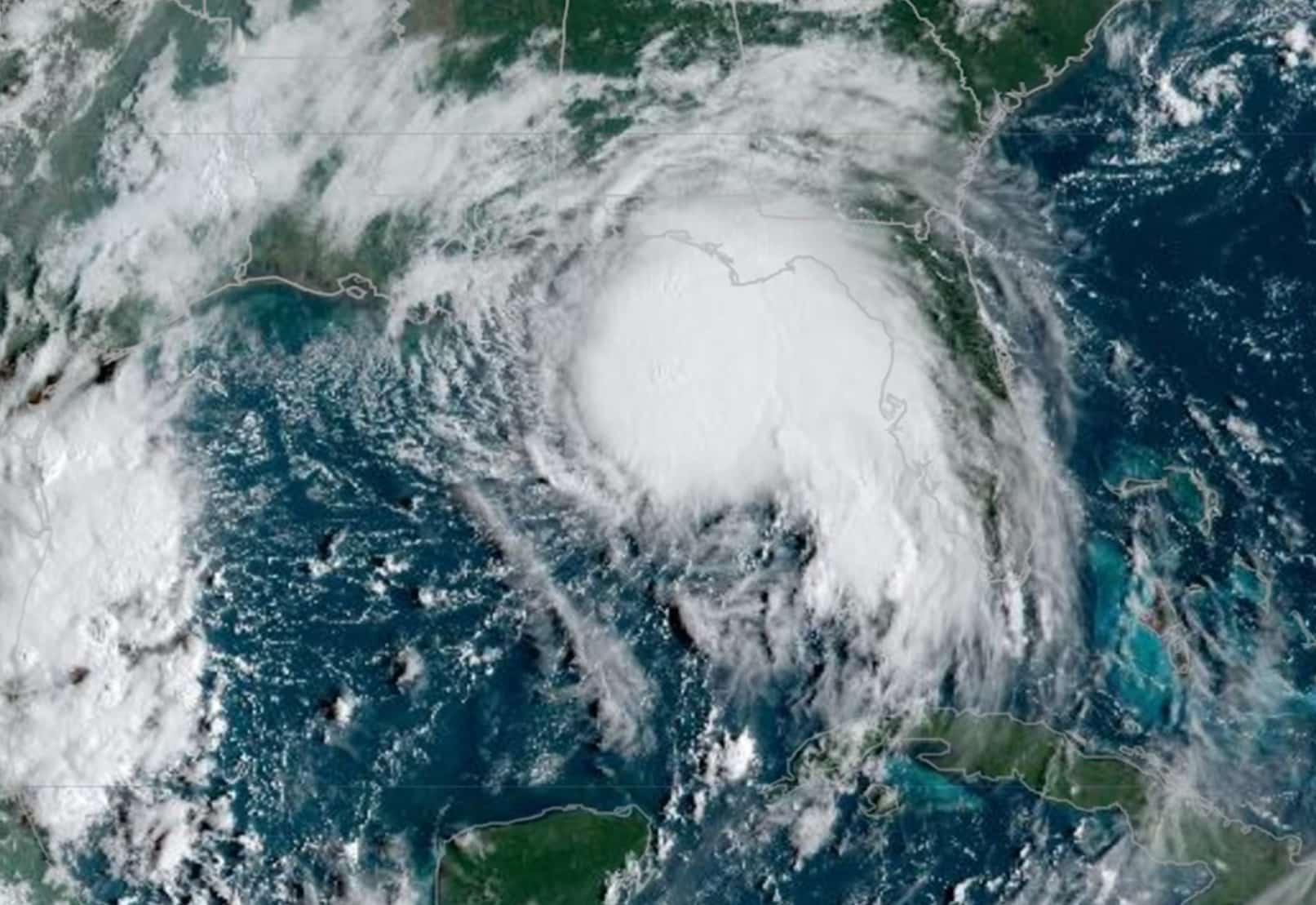
Louisiana and Mississippi residents were under evacuation orders on Monday as Hurricane Sally churned across the Gulf of Mexico, strengthening to a hurricane ahead of expected landfall on Tuesday, the U.S. National Hurricane Center said.
The second storm in less than a month to threaten the region, Sally was headed toward a slow-motion landfall that could dump damaging rains on the U.S. Gulf Coast. Residents from Louisiana to Florida were told to also expect storm surge and high winds.
Sally is the 18th named storm in the Atlantic this year and will be the eighth of tropical storm or hurricane strength to hit the United States – something “very rare if not a record” said Dan Kottlowski, senior meteorologist at AccuWeather. He added that accurate data on historic tropical storms can be elusive.
Mississippi and Louisiana issued mandatory evacuation orders to residents of low-lying areas while Alabama Governor Kay Ivey declared a state of emergency, closed the state’s beaches and recommended evacuations low-lying areas.
Mississippi ordered its coastal casinos to close by late Monday afternoon. Schools in coastal communities from Louisiana to Florida were canceling classes ahead of the storm.
“We are going to bear the brunt of this storm,” Mississippi Governor Tate Reeves told residents on Monday, warning that rainfall along the coast could exceed 20 inches (50.8 cm).
“We have to make sure that everything is tied down and out of the way so it doesn’t float away or become airborne,” said Steve Forstall, a Bay St. Louis, Mississippi, port employee.
In the coastal town, located roughly 50 miles (80 km) northeast of New Orleans, water from the bay was spilling onto the beach roadway early on Monday. Workers were seen boarding up homes and securing items like trash cans that can become projectiles in high winds. Residents helped each other fill sandbags at a do-it-yourself station, and some people parked cars and boats on higher ground, anticipating flooded roads.
The U.S. Coast Guard was limiting traffic from the Port of New Orleans, while energy companies slowed or cut refinery output and scrambled to pull workers from offshore oil and gas production platforms.