



SCOTUS Appears Skeptical Of Colorado Law Forcing Counselors To Agree With Kids’ Gender Confusion
WASHINGTON — The Supreme Court appeared inclined Tuesday to side with a Christian counselor who brought a First Amendment challenge to Colorado’s ban on “conversion therapy.” Several justices seemed concerned that…
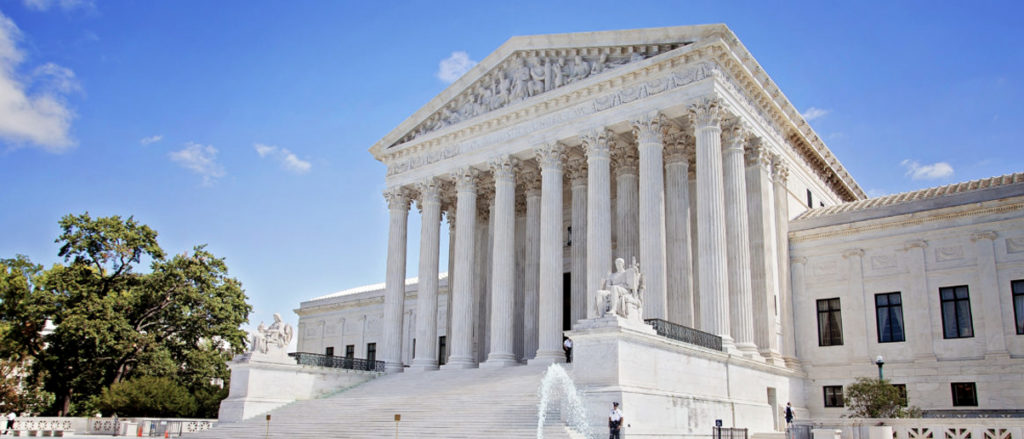

WASHINGTON — The Supreme Court appeared inclined Tuesday to side with a Christian counselor who brought a First Amendment challenge to Colorado’s ban on “conversion therapy.”
Several justices seemed concerned that Colorado’s law was “viewpoint discrimination” against counselors like the petitioner, Kaley Chiles, who aims to help minors feel comfortable in their body rather than agreeing with their gender dysphoria.
Colorado’s Minor Conversion Therapy Law (MCTL), passed in 2019, defines “conversion therapy” as efforts to “change an individual’s sexual orientation or gender identity,” including behaviors, gender expressions and romantic attractions. Nearly half of all U.S. states have similar bans on “conversion therapy.”
Chiles is being silenced “daily” by the law, which effectively forbids counselors from helping minors pursue “state-disfavored goals on gender and sexuality,” Alliance Defending Freedom Chief Legal Counsel James Campbell told the justices.
“One of the things that’s so problematic about Colorado’s law is that it undermines the well-being of kids that are struggling with gender dysphoria,” Campbell said. “Colorado accepts that up to 90% of kids who struggle with that before puberty will work their way through it and realign their identity with their sex.”
In the past several weeks, Chiles has faced anonymous complaints alleging violation of the law, though the state now claims it does not intend to enforce the statute against her.
“The court seemed very receptive to the points we were making,” Campbell told reporters outside the court. “The court gave many, many indications that it was bothered by the law.”