



SCOTUS Hands Republicans A Big Win
Republicans won a major campaign finance case at the Supreme Court on Tuesday, and Vice President J.D. Vance has a direct connection to how the challenge began. In a 6-3 decision, the Supreme Court struck down federal limits on how much political parties can spend on campaign activities coordinated with their own candidates, USA Today […] The post SCOTUS Hands Republicans A Big Win appeared first on Red Right Patriot.
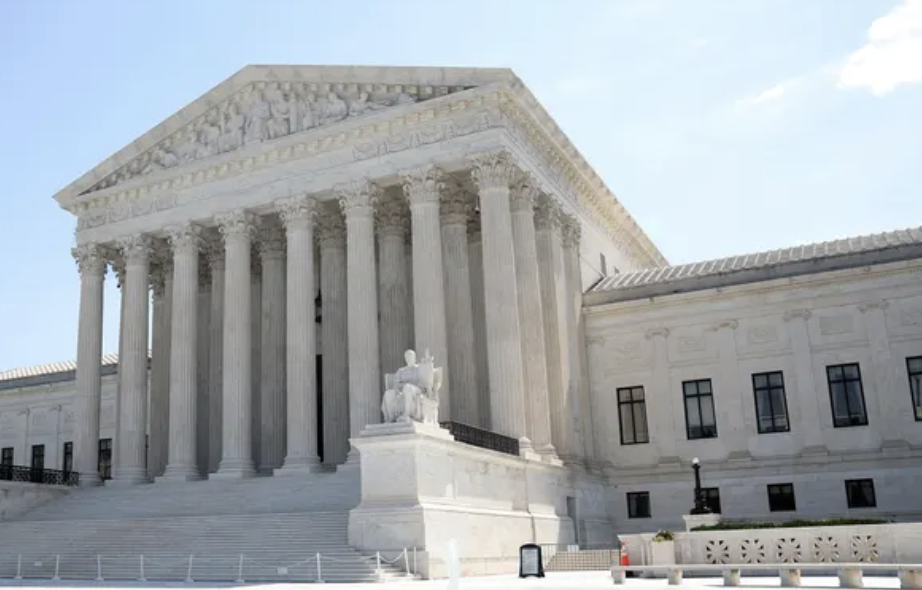
Republicans won a major campaign finance case at the Supreme Court on Tuesday, and Vice President J.D. Vance has a direct connection to how the challenge began.
In a 6-3 decision, the Supreme Court struck down federal limits on how much political parties can spend on campaign activities coordinated with their own candidates, USA Today reported. Those limits dated back to 1974, when Congress passed a series of post-Watergate campaign finance reforms intended to curb corruption and the appearance of corruption in federal elections.
The case began in Ohio in 2022, before Vance became vice president. At the time, he was running for the U.S. Senate and was still widely known as the author of “Hillbilly Elegy.” Vance, along with then-Ohio Republican Rep. Steve Chabot, challenged the rules, arguing that the spending limits violated the First Amendment’s protection of free speech.
The case, National Republican Senatorial Committee v. Federal Election Commission, eventually reached the Supreme Court, where the majority sided with the Republican challengers.
“Held: FECA’s political-party coordinated-expenditure limits violate the First Amendment,” the court’s ruling stated.
The spending restrictions had previously been upheld by the Supreme Court in 2001, according to The Associated Press. But the legal and political environment around campaign finance has changed sharply since then, especially with the rise of super PACs.
Republicans argued that super PACs, formally called Independent Expenditure-Only Committees, have taken on an outsized role in modern campaigns because they can raise and spend large amounts of money independently. Unlike political parties, they were not bound by the same coordinated spending limits. That, Republicans said, weakened the role of official political parties while allowing outside groups to become what they described as “shadow parties.”
USA Today reported that the GOP argued this shift had diminished the actual parties’ influence in elections.
Democrats, meanwhile, defended the limits as a protection for Americans who do not have the resources of major political donors. They argued that removing the restrictions could give wealthy donors even more influence over candidates and campaigns.