



SCOTUS Rules Against Radical California Schools Gender Policy
The U.S. Supreme Court stepped directly into one of the country’s most heated cultural battles this week — and the early signal from the nation’s highest court is unmistakable. In a Monday decision, the justices ruled…
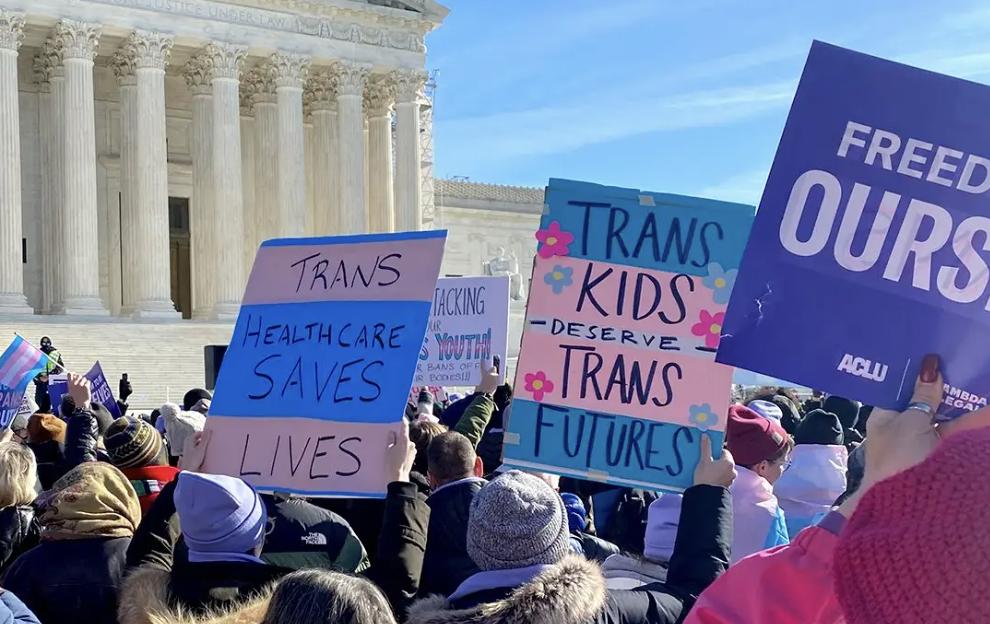
The U.S. Supreme Court stepped directly into one of the country’s most heated cultural battles this week — and the early signal from the nation’s highest court is unmistakable.
In a Monday decision, the justices ruled in favor of a group of California parents who challenged school policies that allow teachers and administrators to withhold information from parents when a child adopts a different name or pronoun at school. While the case itself is not fully resolved, the Court’s seven-page order delivers a major legal victory for the challengers and reinstates a lower court ruling that bars schools from misleading parents about their children’s gender presentation.
The dispute stems from Mirabelli v. Bonta, a lawsuit first filed in 2023 by two California teachers who objected to their district’s policies requiring staff to respect a student’s chosen gender identity while keeping that information confidential from parents. Several parents joined the lawsuit, alleging their children had begun identifying as transgender at school with encouragement from school officials — without their knowledge.
A federal district court initially sided with the teachers and parents, ruling that the policies violated their constitutional rights. But California officials quickly appealed, and the U.S. Court of Appeals for the Ninth Circuit paused that ruling while the case moved through the legal system. The challengers then turned to the Supreme Court for emergency relief.
Now, the justices have reinstated the lower court’s decision while the case continues — a move that immediately restricts schools from withholding information from parents in the ways the policy previously allowed.
California Attorney General Rob Bonta had urged the Court to leave the Ninth Circuit’s pause in place, arguing that forcing schools to disclose such information could harm students.
“For many students, the consequences of compelling the disclosure of confidential information about their gender identity would be irreversible,” Bonta argued in court filings cited by The Hill.
He also defended the appeals court’s decision to pause the lower court ruling, saying it acted responsibly while the legal arguments were being fully considered.