



SCOTUS Weighs Republican Challenge To Coordinated Party Spending Limits
The Supreme Court considered rolling back limits for coordinated spending between parties and candidates on Monday, a move that some believe could give Republicans a boost for the midterms. Republicans challenging the…
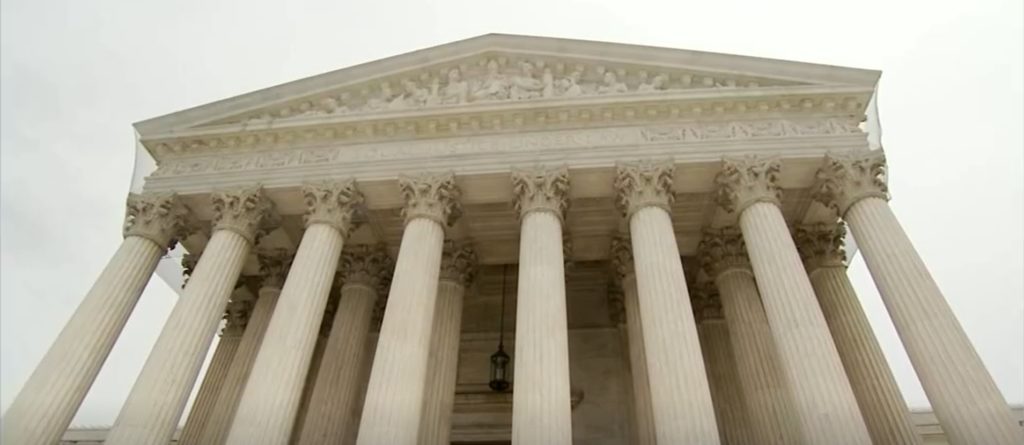

The Supreme Court considered rolling back limits for coordinated spending between parties and candidates on Monday, a move that some believe could give Republicans a boost for the midterms.
Republicans challenging the limits say they are a speech restriction that violates the First Amendment, while Democrats argue the limits help protect against “quid pro quo” corruption.
“I am concerned, as you said, that the combination of campaign finance laws and this Court’s decisions over the years have together reduced the power of political parties, as compared to outside groups, with negative effects on our constitutional democracy,” Justice Brett Kavanaugh told Noel Francisco, who represented the National Republican Senatorial Committee (NRSC). “I start from that, and I’m trying to figure out how this case fits into that.”
Yet Kavanaugh also expressed concern about “quid pro quo” corruption, pushing Francisco to explain whether other related limits are constitutional.
Though the Department of Justice (DOJ) normally defends federal statutes, the government argued against the limits in this case on First Amendment grounds.
“Limits on party coordinated expenditures unconstitutionally restrict core election speech,” Principal Deputy Solicitor General Sarah Harris argued on the government’s behalf. “These limits do not serve the only valid interest of preventing ‘quid pro quo’ corruption or its appearance. Parties can’t corrupt candidates, and no evidence suggests donors launder bribes by co-oping parties’ coordinated spending with candidates.”