



SEAN PARNELL: Is The Left’s National Popular Vote Compact Now Fading Away?
Less than a decade ago, the National Popular Vote interstate compact (NPV) seemed on track to nullify the Electoral College. It had passed most “blue” states, was making headway in several “purple” states, and even a…
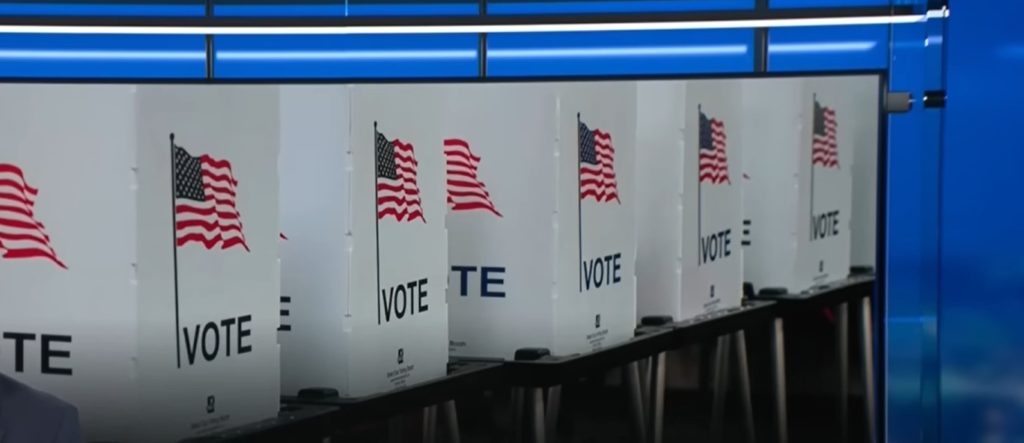

Less than a decade ago, the National Popular Vote interstate compact (NPV) seemed on track to nullify the Electoral College. It had passed most “blue” states, was making headway in several “purple” states, and even a few “red” states had seemed interested in joining. A Politico headline asked, “Is the Electoral College Doomed?” The article suggested the answer was “yes.”
Today what once seemed inevitable now looks likely to fade away. For the first time since the NPV campaign began, more states considered repealing the compact than joining it in this year’s legislative sessions.
The NPV compact changes state laws so that presidential electors are chosen based on the national—not statewide—popular vote. It takes effect if joined by enough states that they control at least 270 electoral votes. So far, there are 209 electoral votes committed to the compact by 17 states and DC.
Yet only two of these states have joined since 2019, and just barely. It passed in Maine only after a vote was called when several anti-NPV legislators were absent – if all members were present, it would have failed. In Minnesota, amidst fear it would fail as a stand-alone bill, NPV was jammed into a giant “must pass” omnibus bill that leadership muscled through.
In Virginia and Michigan, NPV failed to overcome strong bipartisan opposition as several members of the Democratic majorities joined every Republican in opposing the compact. In Nevada it passed the legislature as a proposed constitutional amendment in 2023, but it had to pass again this year. Yet so strong had the tide turned against NPV that the group’s lobbyists never even bothered to show up, and it died without a vote or even a hearing.
States that earlier joined NPV are also having second thoughts. Maine’s Democrat-controlled House voted to leave the compact earlier this year, and the repeal failed by only a single vote in the Senate. Two other states, Colorado and Rhode Island, also held hearings on repeal bills this year. Meanwhile not a single state held a hearing to consider joining the compact.
There are several reasons NPV is floundering. In its first decade, many legislators saw it as more of a resolution expressing dislike for the Electoral College than an actual policy that needed to be closely examined. As the number of electors pledged to the compact grew, more legislators have looked into the details. When they do, they discover there is no mechanism for recounts or other disputes, and even no single official national vote count.