



Search Warrants Target Epstein Files Stashed In Storage Units Across US
Jeffrey Epstein didn’t just hide secrets behind the walls of his mansions. According to a bombshell new report, he allegedly built a shadow network of storage units across the United States — stashing computers, CDs…
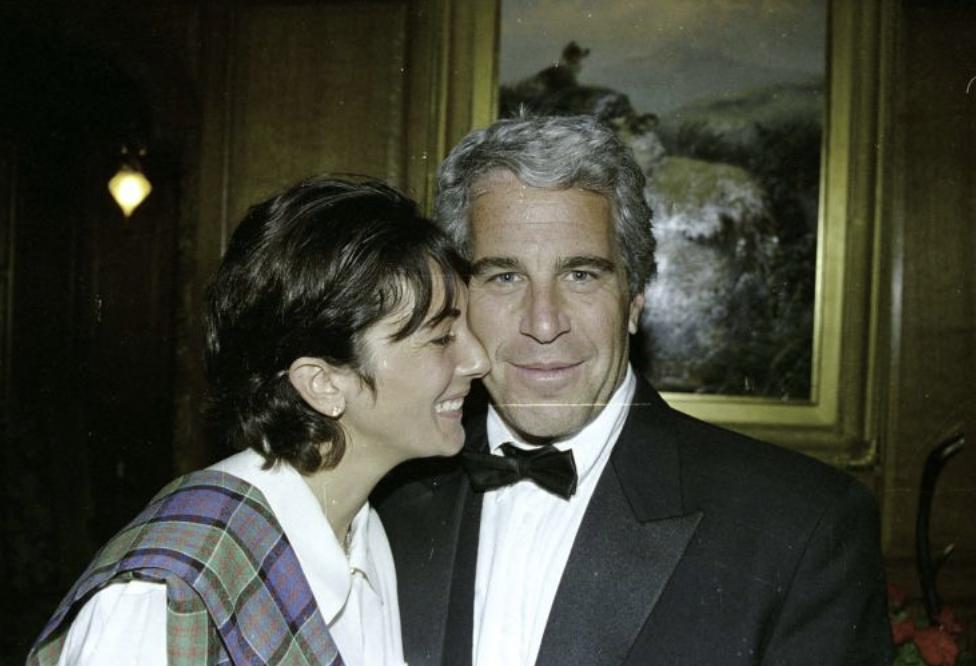
Jeffrey Epstein didn’t just hide secrets behind the walls of his mansions. According to a bombshell new report, he allegedly built a shadow network of storage units across the United States — stashing computers, CDs, photographs, and equipment while investigators closed in.
Financial records and emails reviewed by The Telegraph reveal that Epstein rented at least six storage lockers nationwide beginning as early as 2003. Payments reportedly continued until 2019 — the year he died by suicide in federal custody.
The storage units were allegedly used to house materials removed from his various properties, including computers and CDs transported from his infamous private island, Little Saint James. Search warrants contained within the massive trove of roughly 3 million Epstein-related documents released by the Justice Department suggest authorities may never have searched some of those units — raising explosive questions about what could still be inside.
Even more stunning: emails reportedly show Epstein relied on private investigators to move materials out of his homes before law enforcement executed search warrants.
In one August 2009 email — just one month after Epstein was released from jail following a child sex crime conviction — private investigator Bill Riley of the Riley Kiraly agency allegedly informed Epstein that survivor Virginia Giuffre’s legal team was seeking computer materials removed from Epstein’s residence prior to a search warrant.
“I have them locked in storage and would like to know what to do with them,” Riley wrote in the email, according to the report. He suggested returning the materials to Epstein, his attorney Darren Indyke, or holding them for review.
The email also stated that the computer drives stored in the unit had been “cloned.” What became of those copied drives remains unclear.
Giuffre, who filed a civil lawsuit in 2009 alleging Epstein sexually abused and trafficked her as a minor, died by suicide in April. Her case was among the most high-profile civil actions tied to Epstein’s sprawling network.