



US Senate Boosts Aid to Small States in Coronavirus Relief Bill
– Democrats in the U.S. Senate said on Thursday they had modified President Joe Biden’s $1.9 trillion coronavirus relief package to steer more aid to smaller U.S. states as lawmakers prepared to begin a lengthy debate…
– Democrats in the U.S. Senate said on Thursday they had modified President Joe Biden’s $1.9 trillion coronavirus relief package to steer more aid to smaller U.S. states as lawmakers prepared to begin a lengthy debate on the bill.
With no votes to spare, Democrats are tweaking the bill to ensure that all 50 of their members support it. On Thursday, they said they had increased the minimum amount of aid each state would get — a move likely to please those who represent sparsely populated states like Vermont.
The Democratic-controlled Senate convened at midday and was expected to vote on a motion to launch 20 hours of debate on the massive bill. The Republican response to the motion could provide an early indication of how unified they are in opposition to the package.
Republicans are expected to drag out the process for as long as possible by requiring a full reading of the sweeping legislation that could take up to 10 hours on Thursday. That would be followed by 20 hours of debate and a lengthy series of votes that could run well into the weekend.
“No matter how long it takes, the Senate is going to stay in session to finish the bill,” Senate Democratic Leader Chuck Schumer said on the Senate floor.
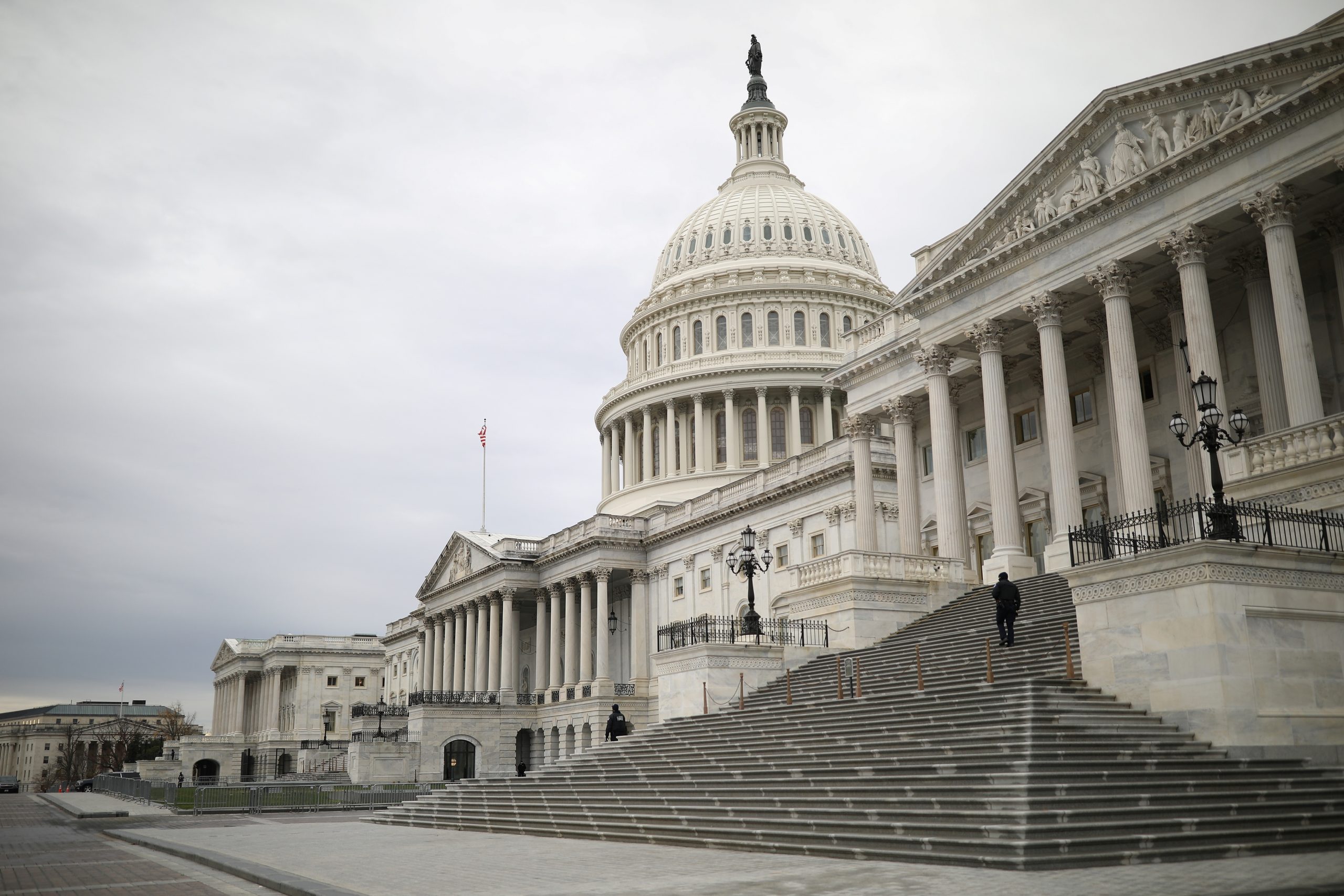
Security was tight at the U.S. Capitol, the scene of a deadly assault in January, after police warned that a militia group might try to attack. But there were no signs of protesters around the complex early on Thursday.
The relief bill, Biden’s top legislative priority, includes funding for vaccines and medical supplies, extends jobless assistance and provides a new round of emergency financial aid to households, small businesses and state and local governments. Opinion polls indicate broad public support.
Senate Democrats on Wednesday tightened criteria for stimulus checks so fewer high-income households would qualify.
The compromise means that 9 million fewer households will receive a stimulus payment than in the last tranche of payouts in 2020. It also lowers the cost of the legislation by $12 billion, according to Senate Democrats.
On Thursday, they said they had increased minimum payments to states with smaller rural populations to match the $1.25 billion minimum contained in last year’s CARES Act. The bill passed by the House set the floor at $500 million.