



Senate Democrat Demands Action From His Party
Democratic Connecticut Sen. Chris Murphy argued that his party needs a far more ambitious political agenda during a recent stop on his book tour, criticizing fellow Democrats for what he described as a failure to fully…
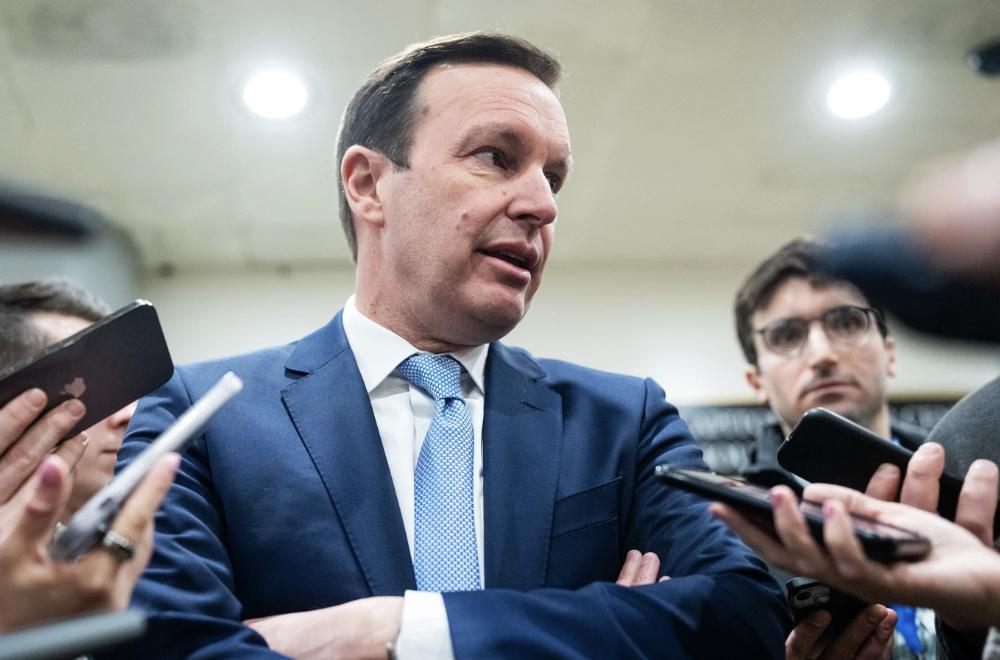
Democratic Connecticut Sen. Chris Murphy argued that his party needs a far more ambitious political agenda during a recent stop on his book tour, criticizing fellow Democrats for what he described as a failure to fully address the economic concerns driving voter dissatisfaction.
Speaking at Judson Memorial Church in New York City on May 26, Murphy reflected on the Democratic Party’s response to President Donald Trump’s return to the White House and outlined what he believes should be the party’s path forward. The senator, who is frequently mentioned as a rising figure within Democratic circles, said his new book is intentionally critical of his own party.
Murphy told attendees that Democrats must confront difficult questions about why voters elected Trump to a second term. In his view, the answer is not simply better messaging but a broader policy vision capable of addressing the scale of the challenges many Americans face.
“I’m not easy on Democrats in this book,” Murphy said, arguing that the party’s ideas have not matched the magnitude of voters’ concerns. He added that Democrats need to think bigger if they hope to regain political momentum.
As examples of the changes he would like to see, Murphy called for a constitutional amendment that would prohibit billionaire, corporate, and anonymous money from influencing elections. He also advocated for significantly increasing the federal minimum wage, arguing that proposals to raise it to $17 per hour do not go far enough.
“A minimum wage increase to $17 is not enough,” Murphy said during the event. “People need a $25 minimum wage at least to live in this country.”
Murphy also urged Democrats to move beyond supporting equal treatment for workers and instead adopt policies designed to strengthen organized labor. He argued that labor unions help workers secure higher wages, greater bargaining power, and stronger workplace protections.
“I just think our solutions have to be bigger,” he said.
His comments align with legislation introduced by Democratic California Rep. Delia Ramirez, whose Living Wage for All Act would gradually raise the federal minimum wage to $25 per hour while allowing future increases based on economic conditions.