



Senate GOP Unveils Budget Blueprint Made In Trump’s Image
Senate GOP leadership unveiled a budget blueprint Wednesday afternoon to advance President Donald Trump’s first-year legislative priorities. The budget resolution includes an amendment that will incorporate raising the…
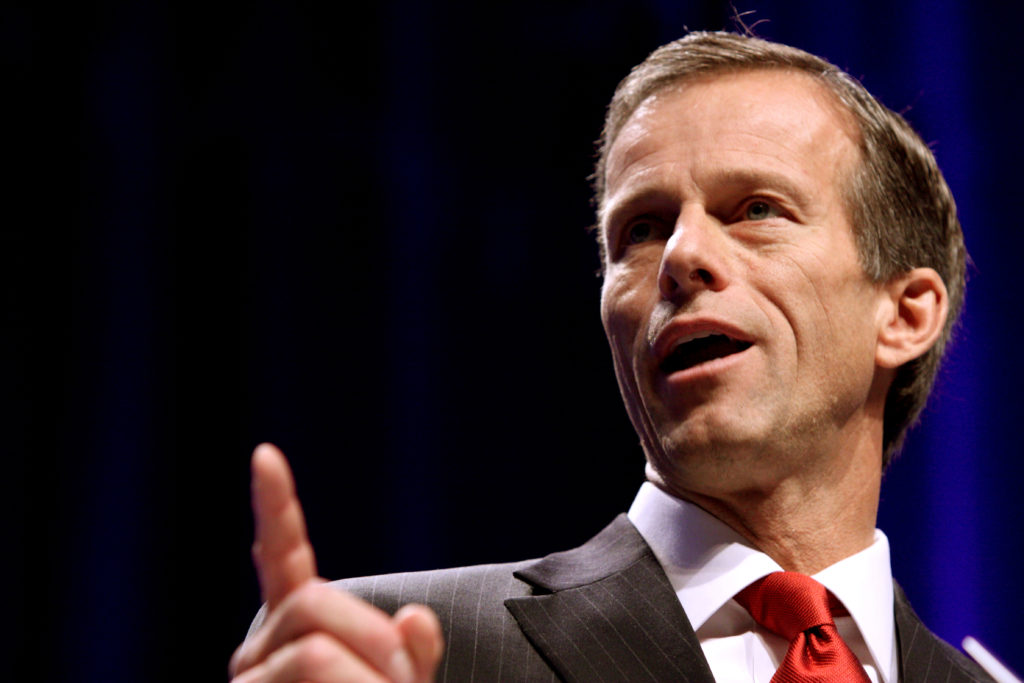

Senate GOP leadership unveiled a budget blueprint Wednesday afternoon to advance President Donald Trump’s first-year legislative priorities.
The budget resolution includes an amendment that will incorporate raising the statutory debt limit by $5 trillion and allows for a permanent extension of the expiring provisions of the 2017 Tax Cuts. The release of the resolution comes as Senate Republicans are attempting to pass the budget blueprint and make headway in the budget reconciliation process before leaving Washington for the Easter recess that begins on April 11.
Congressional Republicans are seeking to enact the president’s legislative agenda through a process known as budget reconciliation, which allows Senate Republicans to bypass the filibuster and advance legislation by a simple majority vote. Passage of the budget resolution by both chambers will unlock a massive tax and spending bill encompassing many of the president’s legislative priorities, including border security funding, defense spending and making changes to federal energy policy.
Senate Majority Leader John Thune praised the release of the budget resolution Wednesday, suggesting in a tweet that House and Senate Republicans are united in writing a forthcoming budget bill that will advance Trump’s agenda.
The budget resolution notably gives House and Senate committees different deficit and spending targets that will have to be reconciled to pass the sweeping tax and spending bill later this year.
Senate GOP leadership has argued that setting a low spending reduction floor gives the upper chamber maximum flexibility to ensure compliance with the budget reconciliation process. The resolution instructs Senate committees to cut a minimum of $3 billion in federal spending while leaving in place House committee instructions that call for at least $1.5 trillion in spending reduction.