Senator Flags Billions In ‘Secret’ Pentagon Spending
The Iowa Republican disclosed that more than $77 billion in research and development funds between fiscal years 2021 and 2025 were shielded from standard transparency requirements. The spending covered a wide range of…
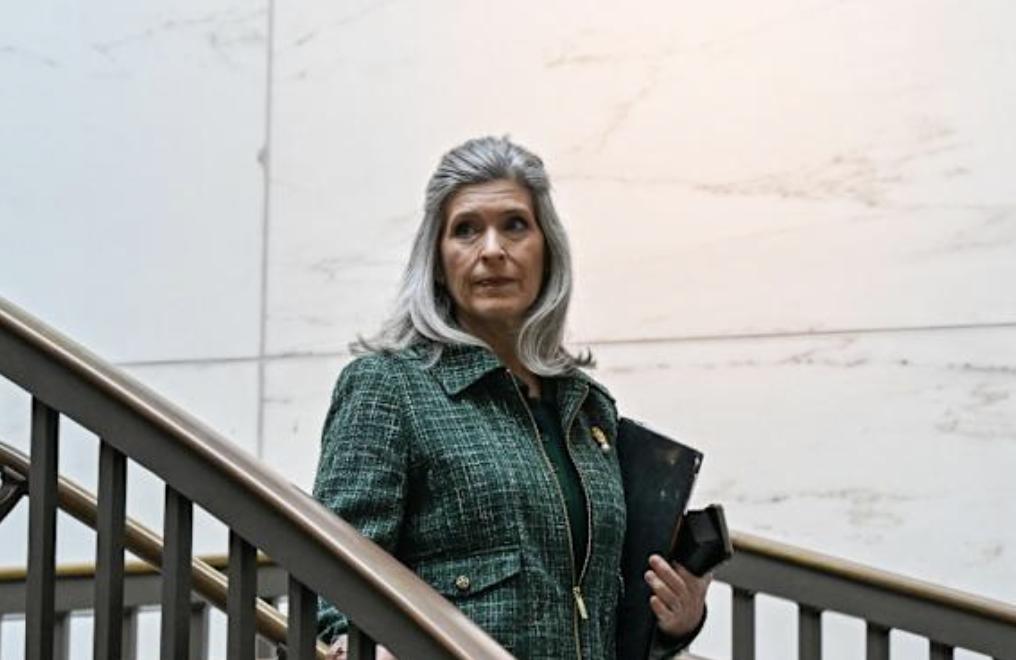
The Iowa Republican disclosed that more than $77 billion in research and development funds between fiscal years 2021 and 2025 were shielded from standard transparency requirements. The spending covered a wide range of projects, including radio equipment, shipbuilding, and even COVID-19 vaccine development involving major corporations like AstraZeneca and Microsoft.
“Sunshine is the best disinfectant, and I’m shining a light on any and all government secret spending,” Ernst said. “Now that we know that over $77 billion in Pentagon spending was unlawfully hidden from taxpayers, I’m lifting the veil.”
At the center of the controversy is a little-known mechanism called Other Transaction Agreements, or OTAs. These agreements allow federal agencies — including the Department of Defense — to bypass traditional acquisition rules that typically require detailed public disclosure. While originally intended to speed up innovation and collaboration with private industry, critics argue the system has evolved into a loophole that limits accountability.
Ernst didn’t hold back when highlighting examples uncovered during her investigation.
“The Navy sunk tax dollars into conducting octopus hypnosis,” she said during a hearing, underscoring what she framed as absurd and wasteful expenditures. “The Army is spending taxpayer money on monkey mind-reading.”
The remarks quickly fueled outrage among fiscal watchdogs and taxpayers already wary of government spending practices.
Ernst is now pushing to codify transparency reforms through her Stop Secret Spending Act, which is advancing in the House. The legislation would require full disclosure of expenditures made through OTAs, ensuring Americans can track where their tax dollars are going.
The findings build on previous discoveries. In 2024, Ernst identified $18 billion in similar off-the-books spending. The Government Accountability Office has also flagged more than $40 billion in spending between 2020 and 2022 that remained largely out of public view.
Despite existing laws like the Federal Funding Accountability and Transparency Act of 2006 — which mandates disclosure of most federal expenditures over $25,000 — OTAs have effectively created a parallel track where billions can flow with limited oversight.
Even more striking, aides say Ernst herself faced significant hurdles obtaining the data — despite serving in the Senate.
As scrutiny intensifies, the revelations are adding fuel to a broader debate over government accountability, defense spending, and whether “innovation” has become a convenient shield for secrecy.
With Ernst announcing she will not seek reelection in 2026, the push for reform may define one of her final major battles in Washington — a fight she argues is about restoring transparency before even more taxpayer money disappears into the shadows.