


Smart Beds Had Strange Tech Issues During AWS Outage
Imagine waking up at 4:00 AM — not because of a baby crying, or your alarm clock, or even a thunderstorm — but because your $5,000 mattress decided it was time for a full-body heat trap and a surprise incline. Oh, and…
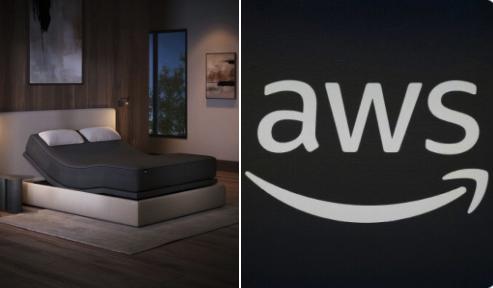
Imagine waking up at 4:00 AM — not because of a baby crying, or your alarm clock, or even a thunderstorm — but because your $5,000 mattress decided it was time for a full-body heat trap and a surprise incline. Oh, and let’s not forget the blinking lights and vibrating alerts just for good measure.
No, this isn’t a sci-fi movie gone wrong. It’s real. It happened. And it happened because a chunk of the internet just… broke.
For a few hours Monday morning, the digital backbone of modern life — Amazon Web Services — flatlined. A simple DNS error (basically, the internet forgot where to go) sent shockwaves through everything from banking apps to gaming platforms to fitness tech. But here’s the twist: it wasn’t your bank account or your online game character that had the most dramatic meltdown. It was your mattress.
Eight Sleep, a luxury “smart” bed company, found itself at the center of a very 2025 kind of chaos. The kind where technology, marketed as your personal sleep assistant, turns into a malfunctioning robot with absolutely no chill… literally.
Customers who’d invested thousands into the promise of perfect sleep were instead jolted awake by beds that wouldn’t flatten, wouldn’t cool down, and in some cases decided to party with alarms and flashing lights — all thanks to a hiccup at AWS.
But it’s not just about uncomfortable sleep.
It’s about the creeping realization that our daily routines, comforts, and even basic human needs — like sleep — are now locked into the hands of cloud-based companies. And when those clouds glitch, there’s no umbrella big enough.
Let’s pause for a second: What happens when something bigger goes down? What if this isn’t just about a mattress locking up or your Peloton class going offline? What if it’s your home security system? Your smart car? Your bank?
That’s the real wake-up call.
This whole incident peeled back the curtain on a truth too many of us have ignored: we’re not just customers anymore. We’re data points, cloud dependents, subscription junkies hooked on convenience. Want to adjust the temperature on your bed? That’ll be a $399 subscription. Want it to actually work when the internet hiccups? Well, maybe next time.