




Smithsonian Forced to Answer for Exhibit Choices
If there was any doubt that the debate over America’s museums has become another front in the nation’s culture wars, Tuesday’s House Oversight Committee hearing erased it. Lawmakers brought Smithsonian officials to Capitol Hill for a hearing titled, “Rewriting American History: Examining the Smithsonian’s Efforts to Reshape the Past.” The central question hanging over the […]
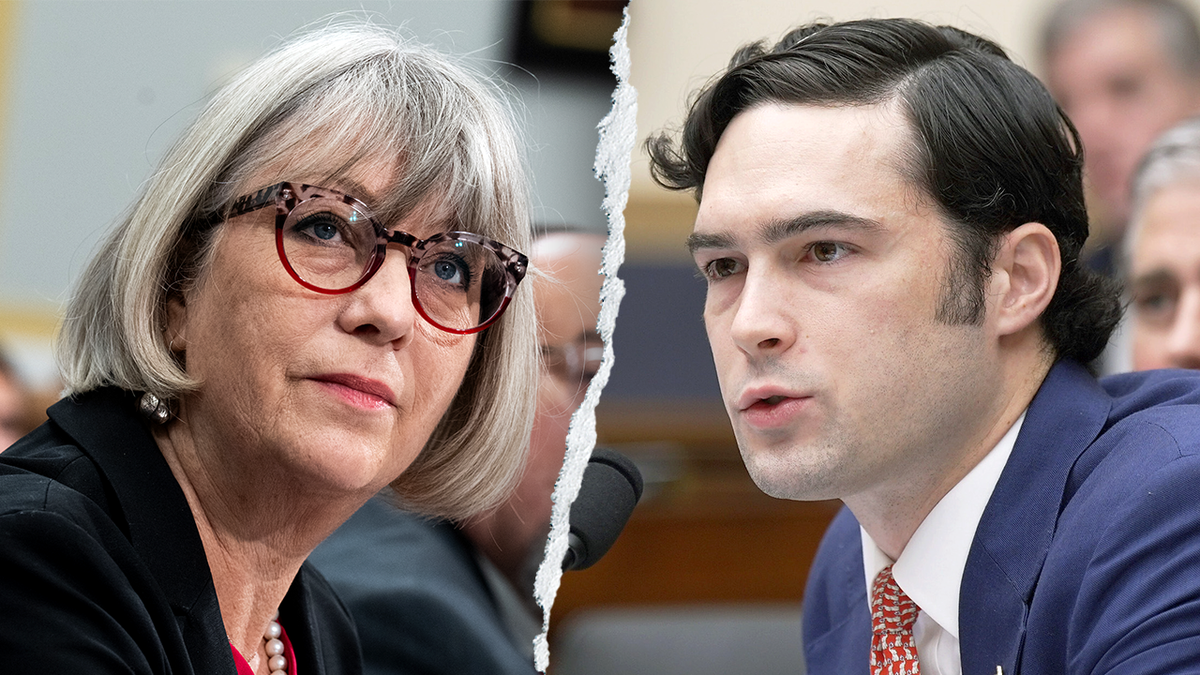
If there was any doubt that the debate over America’s museums has become another front in the nation’s culture wars, Tuesday’s House Oversight Committee hearing erased it.
Lawmakers brought Smithsonian officials to Capitol Hill for a hearing titled, “Rewriting American History: Examining the Smithsonian’s Efforts to Reshape the Past.” The central question hanging over the proceedings was straightforward: Is the Smithsonian presenting American history as faithfully as possible, or is it pushing a political agenda with taxpayer funding?
Republicans argued it was the latter.
According to the committee, members examined what they described as efforts by the National Museum of American History and the broader Smithsonian Institution to promote programming that they viewed as divisive and historically inaccurate. They criticized exhibits and educational materials that focus heavily on race, class, gender, and sexuality, contending that the institution has drifted from presenting history into advocating a particular worldview.
Representing the Smithsonian was director Anthea Hartig.
Now, if you’ve watched enough congressional hearings, you already know the rhythm. Members of the witness’s political allies ask friendly questions designed to let them explain their position. Members of the opposing party come loaded with exhibits, quotations, and pointed questions meant to expose contradictions.
That’s exactly what happened here.
And then came Rep. Brandon Gill.
The Texas Republican skipped the lengthy setup and opened with a question that immediately grabbed the room.
“Is Mickey Mouse racist?”
For a moment, you could almost feel everyone wondering where this was headed.