



Some States Are Cracking Down On Crime
In Jackson, Mississippi, two courtrooms just a few miles apart are delivering very different kinds of justice. One is the historic Hinds County Courthouse — old, overworked, and overwhelmed. Some people wait over a year…
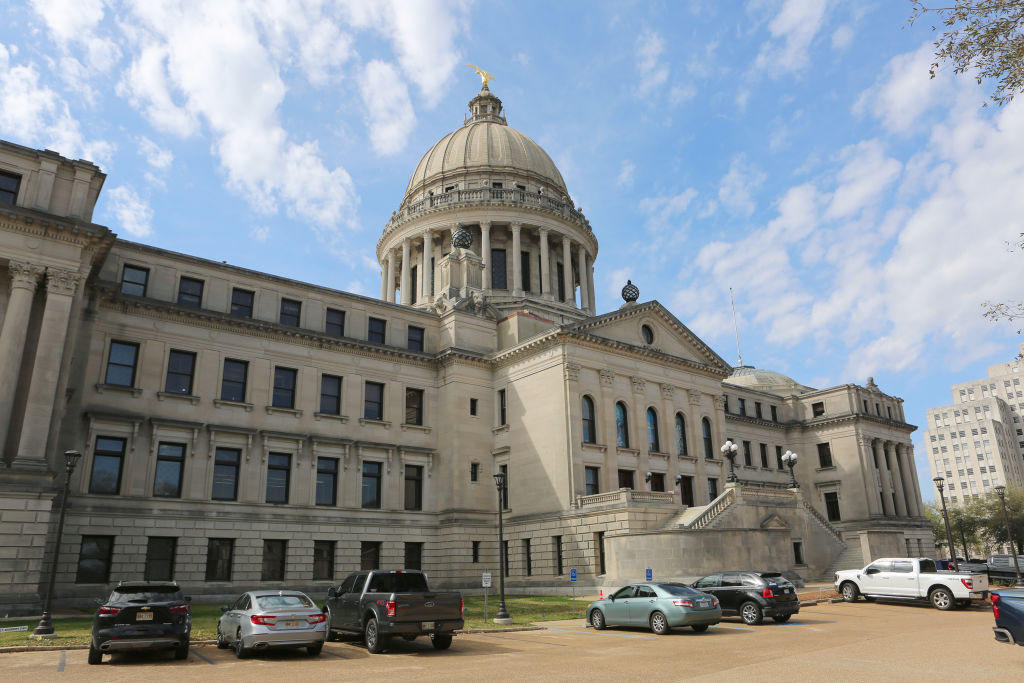
In Jackson, Mississippi, two courtrooms just a few miles apart are delivering very different kinds of justice.
One is the historic Hinds County Courthouse — old, overworked, and overwhelmed. Some people wait over a year just to have their case heard. The building is aging. The docket is full. And the people who work there say they’re stretched too thin.
The other is brand new. Modern computers. Freshly painted walls. Small caseloads. And no waiting.
But here’s the twist: one court is run by elected officials. The other is not.
Since January, a second courthouse in Jackson has been handling cases — but unlike Hinds County’s, this new court was created by Mississippi’s Republican-led state legislature. Its judges weren’t elected. They were appointed by the state’s Republican chief justice. The prosecutors don’t work for the county. They work for the state’s Republican attorney general, Lynn Fitch.
State leaders say they built the court to deal with rising crime and case backlogs in Jackson. They say it’s helping fix the problem.
But not everyone sees it that way.
The new court sparked protests, lawsuits, and heated debates before it ever opened. Critics say it’s an example of the state taking control of a majority-Black, Democratic city — without the city’s consent. They also point out that the $730,000 spent to launch the new court could have gone to hiring more local police or supporting the existing system.
And Mississippi isn’t alone.
In Texas, Governor Greg Abbott sent state troopers and the National Guard into major cities during immigration protests. In Louisiana, state police were deployed to patrol New Orleans after a tragic crash downtown. In Missouri, lawmakers gave the state governor the power to appoint a prosecutor for St. Louis. Indiana created a board to investigate local district attorneys.