



STEPHEN MOORE: Bill Gates Gets Mugged By Reality
You’ve probably heard by now the blockbuster news that Microsoft founder Bill Gates, one of the richest people to ever walk the planet, has had a change of heart on climate change. For several decades Gates poured…
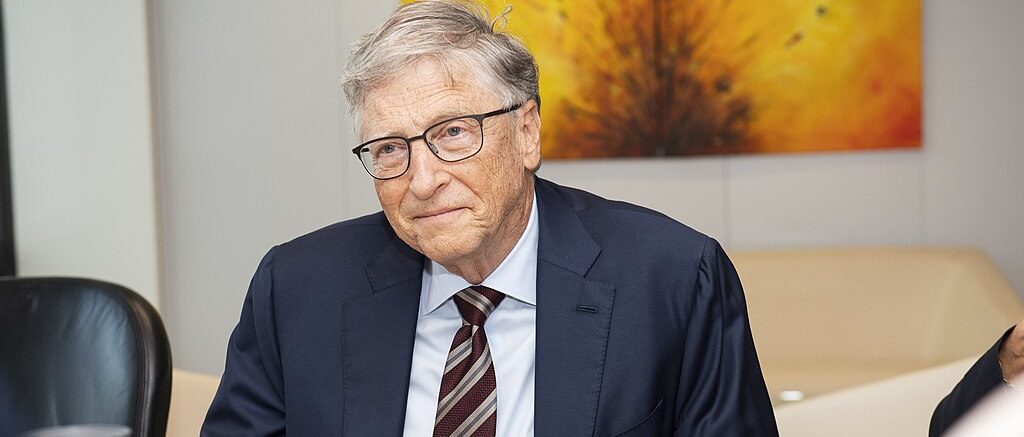

You’ve probably heard by now the blockbuster news that Microsoft founder Bill Gates, one of the richest people to ever walk the planet, has had a change of heart on climate change.
For several decades Gates poured billions of dollars into the climate industrial complex.
Some conservatives have sniffed that Bill Gates has shifted his position on climate change because he and Microsoft have invested heavily in energy intensive data centers.
AI and robotics will triple our electric power needs over the next 15 years. And you can’t get that from windmills.
What Bill Gates has done is courageous and praiseworthy. It’s not many people of his stature that will admit that they were wrong. Al Gore certainly hasn’t. My wife says I never do.
Although I’ve only once met Bill Gates, I’ve read his latest statements on global warming. He still endorses the need for communal action (which won’t work), but he has sensibly disassociated himself from the increasingly radical and economically destructive dictates from the green movement. For that, the left has tossed him out of their tent as a “traitor.”
I wish to highlight several critical insights that should be the starting point for constructive debate that every clear-minded thinker on either side of the issue should embrace.
(1) It’s time to put human welfare at the center of our climate policies. This includes improving agriculture and health in poor countries.
(2) Countries should be encouraged to grow their economies even if that means a reliance on fossil fuels like natural gas. Economic growth is essential to human progress.
(3) Although climate change will hurt poor people, for the vast majority of them it will not be the only or even the biggest threat to their lives and welfare. The biggest problems are poverty and disease.