



Stocks Shaky After Worst Wall Street Crash Since 1987
World share markets and oil prices struggled on Tuesday after coronavirus panic caused Wall Street’s worst one-day rout since the Black Monday crash of 1987. In Europe, early 1.5.% to 3% gains in London, Frankfurt and…
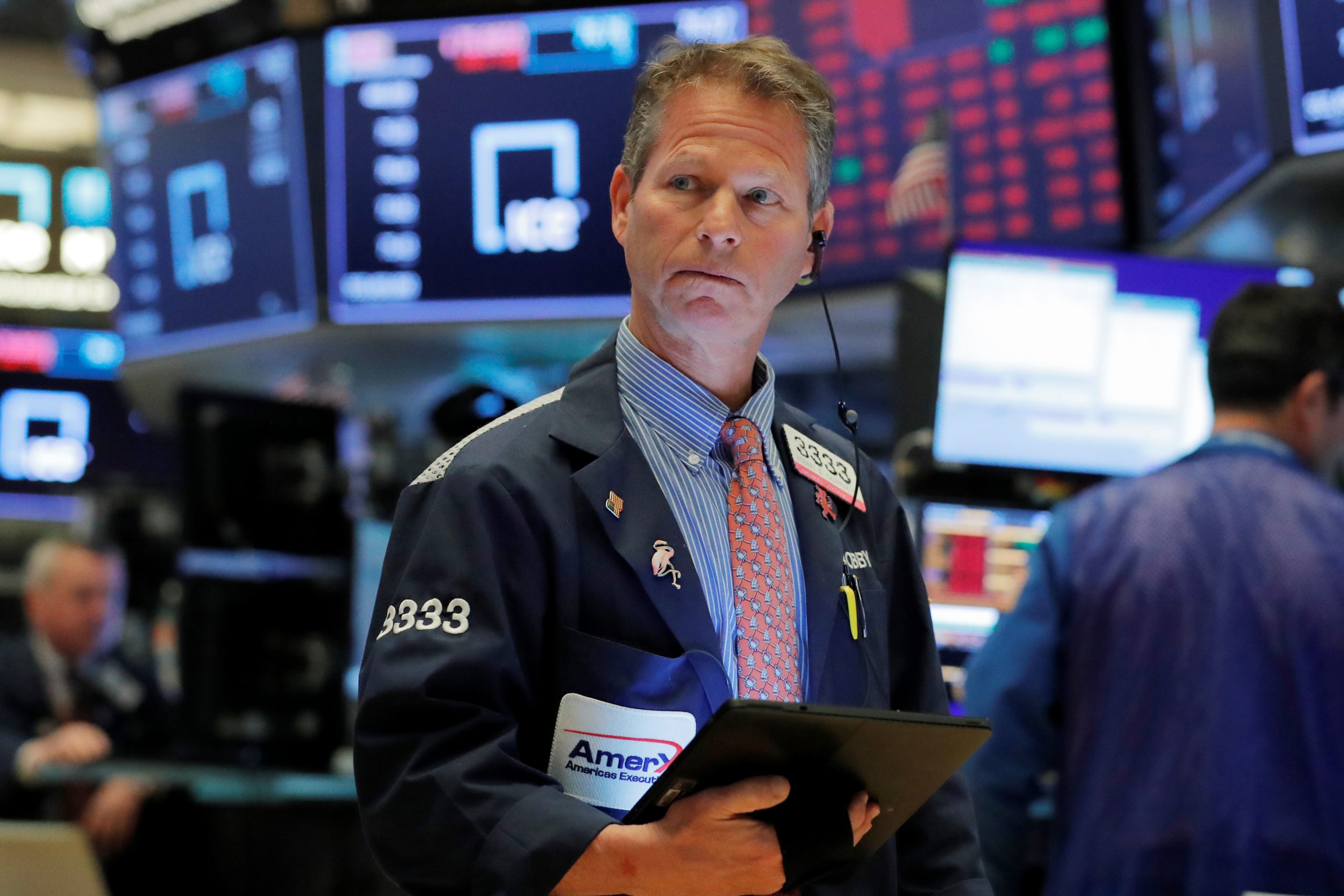
World share markets and oil prices struggled on Tuesday after coronavirus panic caused Wall Street’s worst one-day rout since the Black Monday crash of 1987.
In Europe, early 1.5.% to 3% gains in London, Frankfurt and Paris were quickly wiped out as airline and travel stocks <.SXTP> suffered a 6.5% drubbing.
The dollar recouped some lost ground against the safe-haven Japanese yen . Oil gave up attempted gains after Brent’s drop below $30 a barrel on Monday.
“We saw quite a staggering drop yesterday, so it might just be a bit of calm after that storm,” said Rabobank analyst Bas Van Geffen. “But we are not sure.”
Financial markets cratered on Monday with the S&P 500 <.SPX> tumbling 12%. Emergency central bank rate cuts globally only added to the investor panic.
Tuesday’s stabilization saw Australian shares <.AXJO> close 5.9% higher, their biggest daily percentage gain since October 2008, after plunging nearly 10% on Monday.
MSCI’s broadest index of Asia-Pacific shares <.MIAPJ0000PUS> and Japan’s Nikkei <.N225> both finished steady. South Korea <.KS11> finished down 2.4%, however, and the Philippines became the first country to suspend all trading over the virus.
Futures trade still pointed to a positive open in U.S. markets. The S&P 500 e-minis <ESc1>, were up 1%, although earlier they had been up 3.8%.
Some $2.7 trillion in market value was wiped from the S&P 500 on Monday as it suffered its third-largest daily percentage decline on record. Over the past 18 days, the benchmark index has lost $8.3 trillion. World stocks <.MIWD00000PUS> have hemorrhaged over 15 trillion.
“The move in U.S. stock futures prompted some buying of battered down shares and lifted dollar/yen,” said Junichi Ishikawa, senior FX strategist at IG Securities in Tokyo.
“The focus is shifting to the fiscal response to the virus. We’re locked in a pattern where markets bounce and then resume falling.”