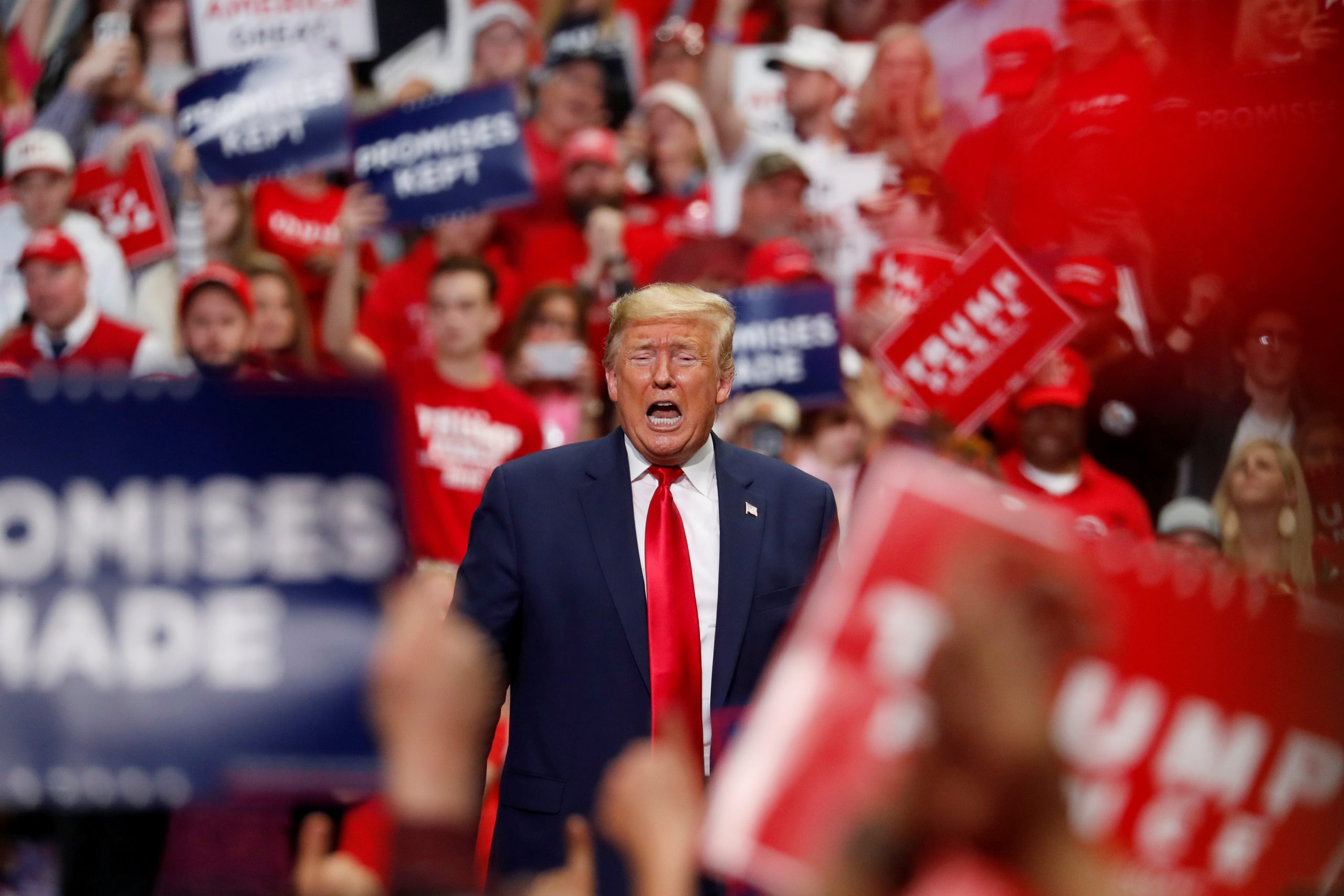



For years, it has seemed as if Donald Trump can always get what he wants, at least when it comes to using classic rock and pop hits at his campaign rallies against the wishes of the original artists. But the Rolling Stones, who have tried for years to keep the president from appropriating âYou Canât Always Get What You Wantâ as his walk-off music, have not thrown in the towel.
On Saturday, the group sent out a statement saying it is enlisting BMI, the performing rights organization that oversees public use of the song, in their quest to keep the track from being used for politically partisan purposes. And the band says thereâll be a lawsuit if the president continues using the song without a license.
âThis could be the last time President Donald Trump uses Stones songs,â reads the headline to a release sent out by the Stonesâ reps. The statement reads, in part: âDespite cease & desist directives to Donald Trump in the past, the Rolling Stones are taking further steps to exclude him using their songs at any of his future political campaigning. The Stonesâ legal team working with BMI⌠BMI (has) notified the Trump campaign on behalf of the Stones that the unauthorized use of their songs will constitute a breach of its licensing agreement. If Donald Trump disregards the exclusion and persists, then he would face a lawsuit for breaking the embargo and playing music that has not been licensed.â
As these disputes have arisen, at issue is whether a songâs use in a campaign rally is covered by a blanket license held by the host venue for all performance purposes. BMI is joining the Stones in contending that the Trump campaign is subject to a license specifically established for political uses, which allows songwriters to object to and withhold use.
Jodie Thomas, BMIâs executive director of corporate communications, clarified the performing rights orgâs position for Variety Saturday after the Stonesâ statement was released.
âBMIâs Political Entities License was implemented about ten years ago to cover political campaigns,â Thomas says. âSince many political events and rallies are often held at places that donât typically require a music license, such as airport hangars or community fields, a Political Entities License ensures that wherever the campaign stops, it is in compliance with copyright law. A venue license was never intended to cover political campaigns. So if a campaign attempts to rely on a venue license to cover its music use, thereâs risk involved.â
Continued Thomas, âBMI licenses political campaigns and events through its Political Entities or Organizations License, which clearly states that a campaign cannot rely on a venue license to authorize its performance of an excluded work. Therefore, a political campaign cannot and should not try to circumvent BMIâs withdrawal of musical works under its Political Entities License by attempting to rely on another license.â
News of the Stones and BMI working together on the issue was first reported by Deadline.
In a statement released earlier to Variety and Deadline, BMI said: âThe Trump campaign has a Political Entities License which authorizes the public performance of more than 15 million musical works in BMIâs repertoire wherever campaign events occur. There is a provision, however, that allows BMI to exclude musical works from the license if a songwriter or publisher objects to its use by a campaign. BMI has received such an objection and sent a letter notifying the Trump campaign that the Rolling Stonesâ works have been removed from the campaign license, and advising the campaign that any future use of these musical compositions will be in breach of its license agreement with BMI.â
News of the Stones taking up the fight to have their song excluded from campaign appearances follows on the heels of the Tom Petty family uniting last weekend to release a statement objecting to âI Wonât Back Downâ at the presidentâs contentious campaign rally in Tulsa. Brendon Urie soon followed with a strongly worded statement condemning Trumpâs use of the Panic! at the Disco song âHigh Hopesâ at the same rally. The long list of musicians whoâve previously publicly objected to Trump campaign song use includes Neil Young and R.E.M.âs Michael Stipe.
Left unaddressed, as it has been since Trump began using âYou Canât Always Get What You Wantâ at the end of his campaign speeches in 2016, is what message the candidate even intends to send with a song whose very title expresses the thought that expectations should be tempered.