



US Supreme Court Deems Half of Oklahoma a Native American Reservation
The U.S. Supreme Court on Thursday recognized about half of Oklahoma as Native American reservation land and overturned a tribe member’s rape conviction because the location where the crime was committed should have…
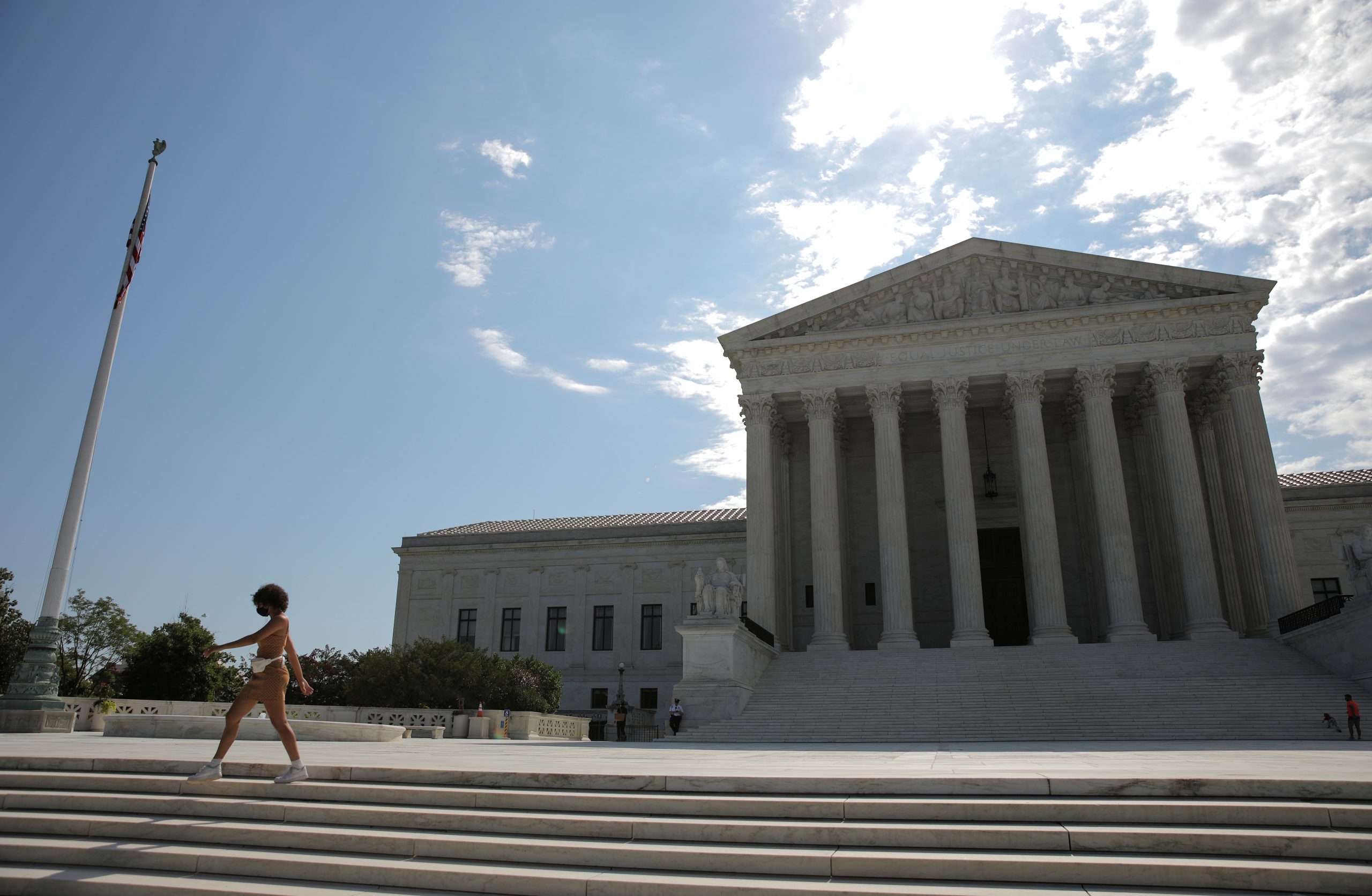
The U.S. Supreme Court on Thursday recognized about half of Oklahoma as Native American reservation land and overturned a tribe member’s rape conviction because the location where the crime was committed should have been considered outside the reach of state criminal law.
The justices ruled 5-4 in favor of a man named Jimcy McGirt and agreed that the site of the rape should have been recognized as part of a reservation based on the historical claim of the Muscogee (Creek) Nation – beyond the jurisdiction of state authorities. Conservative Justice Neil Gorsuch wrote the ruling after joining the court’s four liberals in the majority.
The ruling means that for the first time much of eastern Oklahoma is legally considered reservation land. More than 1.8 million people live in the land at issue, including roughly 400,000 in Tulsa, Oklahoma’s second-largest city.
In a joint statement, the state, the Creek Nation and the other four of what is known as the “Five Tribes” of Oklahoma said they were making “substantial progress” toward an agreement on shared jurisdiction that they would present to the federal government. The other tribes are the Cherokee, Chickasaw, Choctaw and Seminole.
“The Nations and the state are committed to implementing a framework of shared jurisdiction that will preserve sovereign interests and rights to self-government while affirming jurisdictional understandings, procedures, laws and regulations that support public safety, our economy and private property rights,” the statement said.
Under the ruling, tribe members who live within the boundaries would become exempt from certain state obligations such as paying state taxes, while certain Native Americans found guilty in state courts may be able to challenge their convictions on jurisdictional grounds. The tribe also may obtain more power to regulate alcohol sales and expand casino gambling.
The ruling voided McGirt’s sentence of 1,000 years in prison but he could face a new trial in federal court rather than state court.