




Supreme Court Grills Team Trump On Birthright Citizenship Order, Leaves Door Open To Reining In Lower Courts
Some Supreme Court justices appeared concerned Thursday with the implications of letting the Trump administration enforce its birthright citizenship ban, though several remained skeptical about lower courts’ use of…
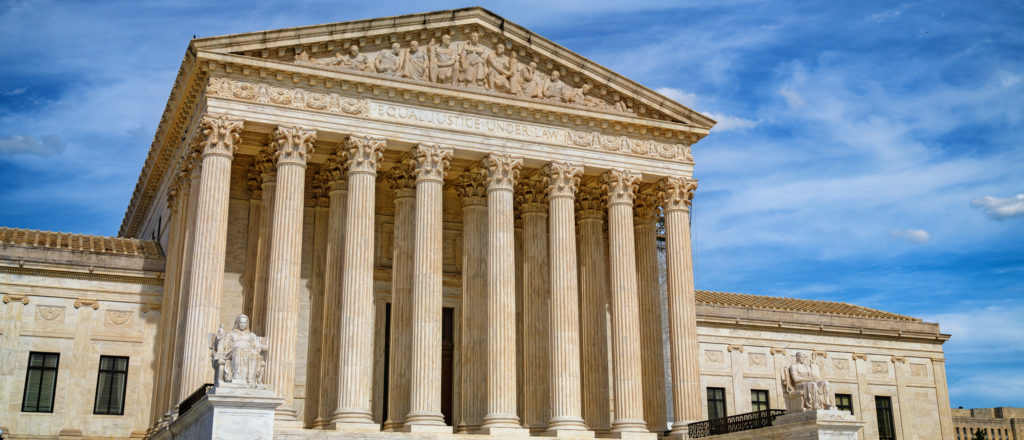

Some Supreme Court justices appeared concerned Thursday with the implications of letting the Trump administration enforce its birthright citizenship ban, though several remained skeptical about lower courts’ use of universal injunctions.
Following three lower court decisions blocking the president’s executive order on birthright citizenship, the administration in April asked the Supreme Court to let it take effect, arguing district court judges should not be able to override the executive branch by issuing nationwide injunctions that block policies across the entire country.
Solicitor General John Saur told the justices on Thursday there have been 40 universal injunctions blocking executive policies since the start of the Trump administration. Tensions between the courts and the administration have only grown over the past months, with White House officials calling out district court judges for abusing their authority.
The constitutionality of birthright citizenship, while not directly at issue in the case, was the elephant in the room. Tipping their hand to their views, the court’s liberal justices suggested that letting the order take effect now would strip children born to illegal immigrants of a right secured by prior precedent.
“Let’s just assume you’re dead wrong,” Justice Elena Kagan said. “How do we get to that result?”
If the policy cannot be blocked until the Supreme Court addresses the merits, potentially years down the line, there would be “an untold number of people, who according to all the law this court has ever made, ought to be citizens, who are not being treated as such,” Kagan continued.
The arguments, which spanned over two hours, at times grew heated. Sotomayor strongly suggested the executive order violates past precedent, prompting Chief Justice John Roberts to ask her to allow Saur to finish his answer.