



U.S. Supreme Court to Hear Religious Fight Over Same-Sex Foster Care
The U.S. Supreme Court on Monday agreed to hear a major religious rights dispute involving the city of Philadelphia’s refusal to place children for foster care with a Catholic agency that bars same-sex couples from…
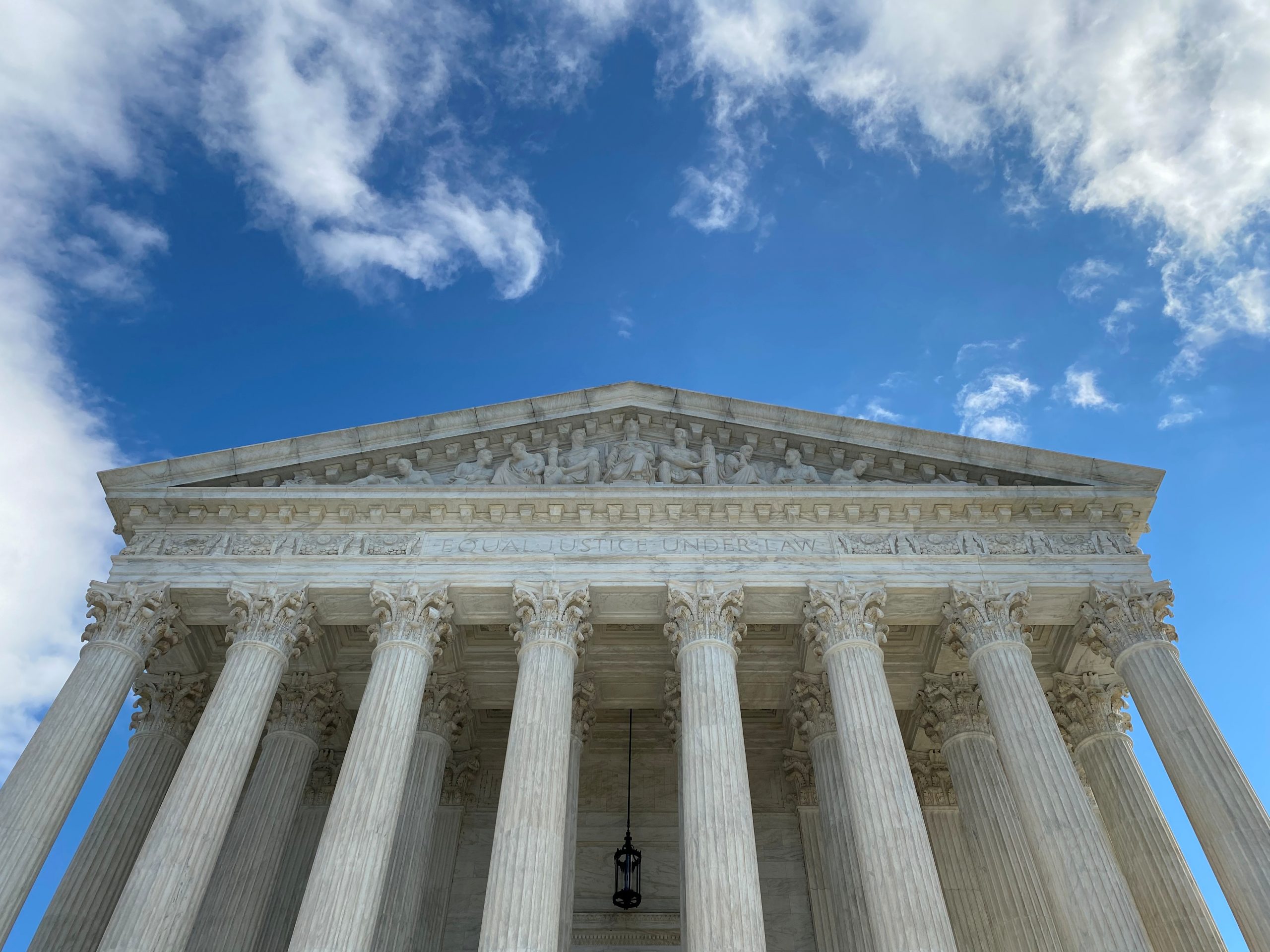
The U.S. Supreme Court on Monday agreed to hear a major religious rights dispute involving the city of Philadelphia’s refusal to place children for foster care with a Catholic agency that bars same-sex couples from serving as foster parents.
The justices will take up an appeal by Catholic Social Services, an arm of the Archdiocese of Philadelphia that accused the city of violating the U.S. Constitution’s First Amendment rights of freedom of speech and religion. A lower court ruled in 2018 that the religious views of the organization did not entitle it to an exemption from the city’s anti-discrimination policies.
The case provides the court’s 5-4 conservative majority another chance to recognize broader religious rights under the Constitution, as it has done in key cases in recent years. The case will be argued in the court’s next term, which starts in October.
Catholic Social Services, which has helped provide foster care services for more than a century, has said it would be forced to close its foster care operations if it is unable to participate in Philadelphia’s program.
A ruling against Philadelphia could make it easier for people to cite religious beliefs when seeking exemptions from widely applicable laws.
As part of the case, Catholic Social Services asked the court to overturn a 1990 Supreme Court ruling, called Employment Division v. Smith, that limited the ability of people to seek such exemptions. Congress subsequently enacted the Religious Freedom Restoration Act, which allows people to bring religious claims against the federal government but not the states.
The ruling was written by the late conservative Justice Antonin Scalia, who was a champion of religious rights. But religious rights advocates have said the ruling infringes on the constitutionally protected free exercise of religion.