




In Major Ruling, US Supreme Court Strikes Down Strict Louisiana Abortion Law
The U.S. Supreme Court defended abortion rights in a major ruling on Monday by striking down a Louisiana law placing restrictions on doctors who perform the procedure, dealing a blow to anti-abortion advocates. The 5-4…
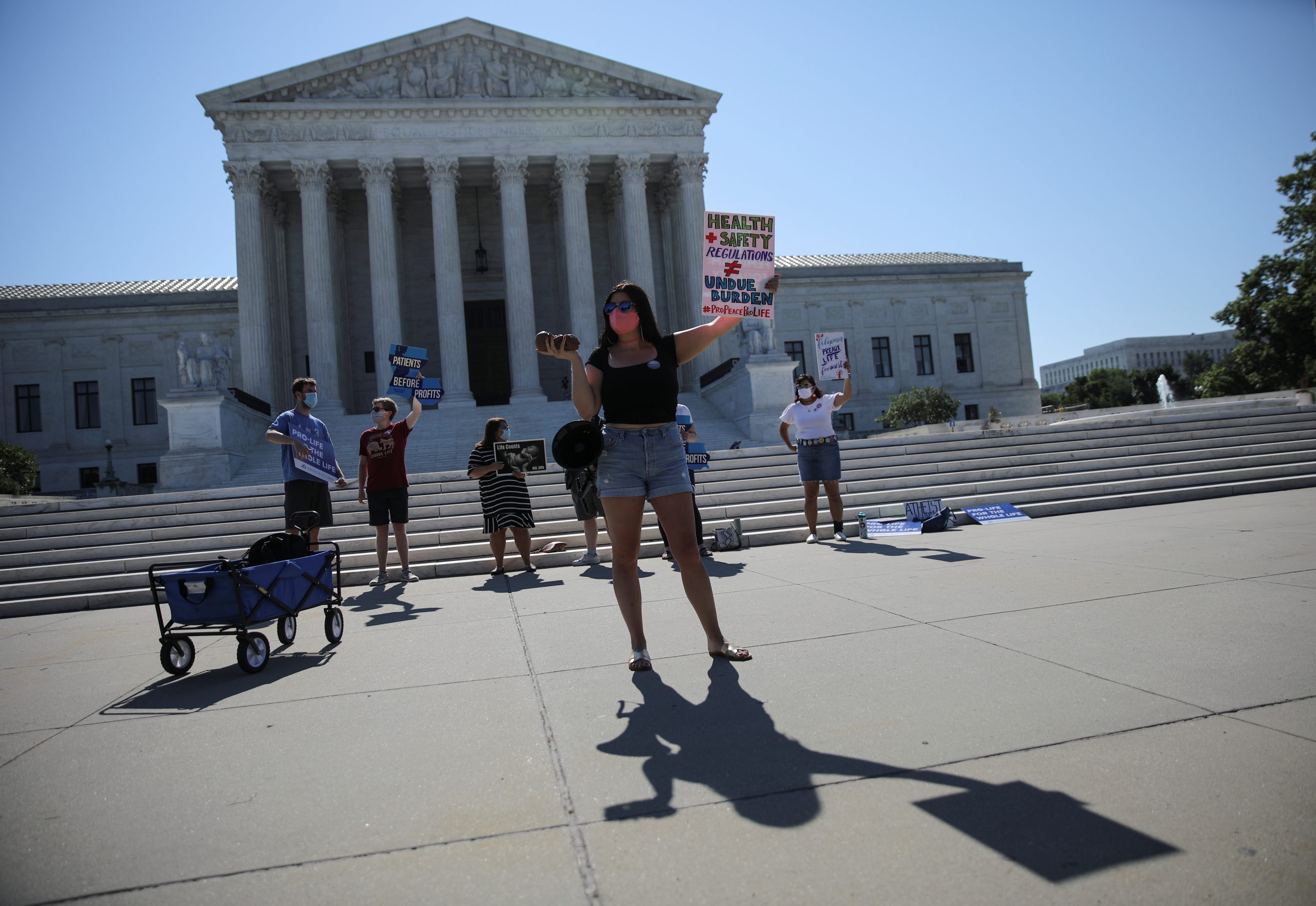
The U.S. Supreme Court defended abortion rights in a major ruling on Monday by striking down a Louisiana law placing restrictions on doctors who perform the procedure, dealing a blow to anti-abortion advocates.
The 5-4 ruling, with conservative Chief Justice John Roberts joining the four liberals justices in the majority, represented a victory for Shreveport-based abortion provider Hope Medical Group for Women in its challenge to the 2014 law. The measure had required doctors who perform abortions to have a sometimes difficult-to-obtain formal affiliation called “admitting privileges” at a hospital within 30 miles (48 km) of the clinic.
President Donald Trump’s administration supported Louisiana in the case.
Anti-abortion advocates had hoped that the Supreme Court, with its 5-4 conservative majority, would be willing to permit abortion restrictions like those being pursued by Louisiana and other conservative states.
“Today’s ruling is a bitter disappointment,” said Marjorie Dannenfelser, president of anti-abortion group Susan B. Anthony List.
The decision, authored by liberal Justice Stephen Breyer, marked the second time in four years that the court ruled against an “admitting privileges” requirement
In 2016, the court struck down a Republican-backed Texas law that mandated admitting privileges and required clinics to have costly hospital-grade facilities, finding that the restrictions represented an impermissible “undue burden” on a woman’s ability to obtain an abortion. Breyer wrote that the two laws are “almost word-for word identical” and that therefore the court had to reach the same result.
There is sufficient evidence to find that the Louisiana measure “would place substantial obstacles in the path of women seeking an abortion in Louisiana,” Breyer added.