



Texas Water Shortages Persist; ‘Fragile’ Power Grid Returns to Life
In the latest fallout from a crippling winter storm, more than 14 million Texans on Friday had to endure disrupted water service, leaving many longing for a hot shower just as the state’s power grid jerked back to life…
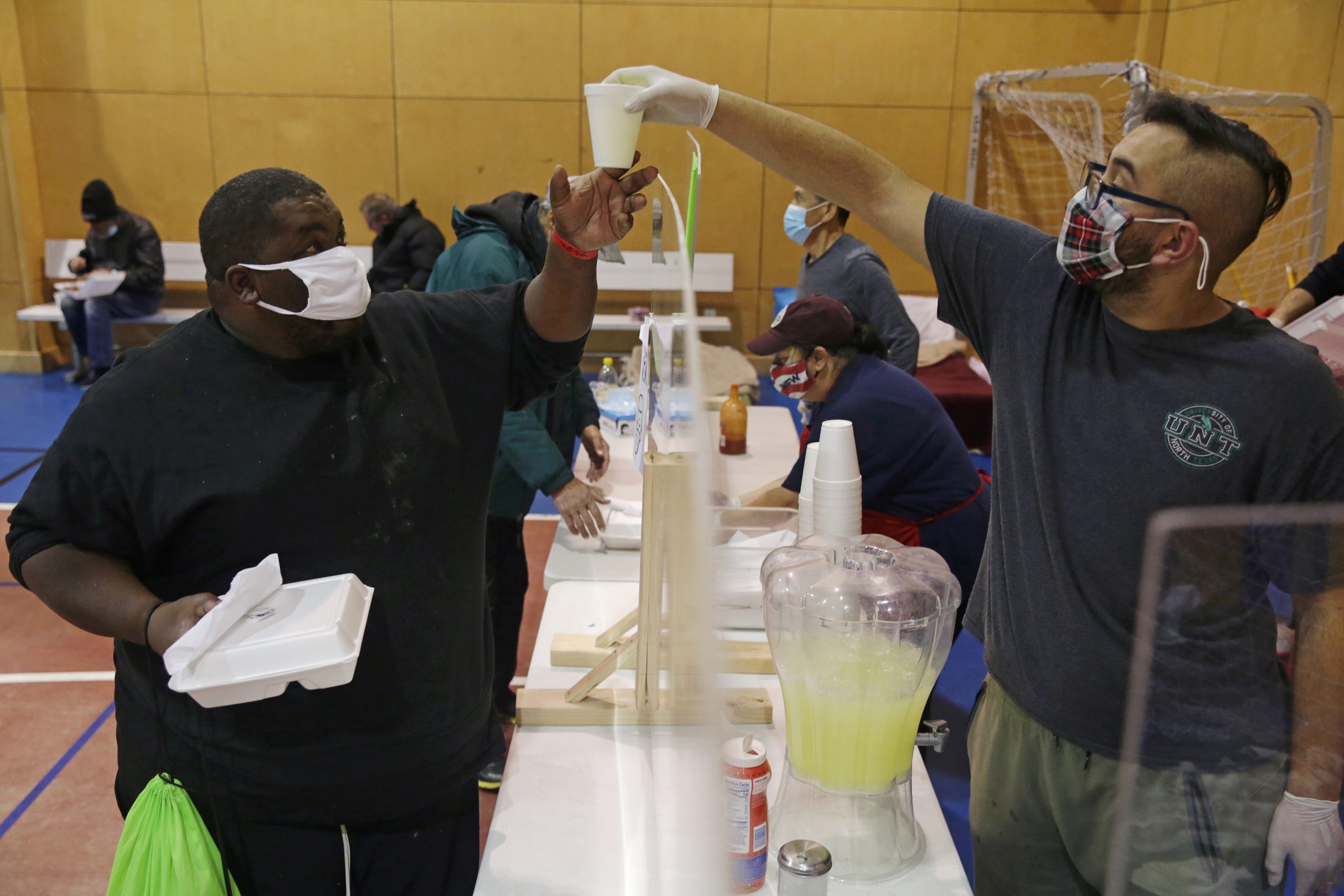
In the latest fallout from a crippling winter storm, more than 14 million Texans on Friday had to endure disrupted water service, leaving many longing for a hot shower just as the state’s power grid jerked back to life after five days of blackouts.
All the state’s power plants were functioning again, although more than 195,000 homes remained without electricity on Friday morning, and residents of 160 of Texas’ 254 counties had water service disruptions, according to the Texas Commission on Environmental Quality.
Nearly two dozen deaths have been attributed to the cold snap. Officials say they suspect many more have died, but the bodies have not been discovered.
A warming trend is expected to relieve some of the pressure on the region on Saturday, the National Weather Service said.
“One more night of below freezing temperatures at some areas, then a warm up is expected into the weekend,” the weather service’s Houston office wrote on Twitter on Friday.
Bitter cold weather and snow have paralyzed Texas since Sunday, shutting down much of the state’s electricity grid and freezing pipes and waterways, leaving communities across the state either without water altogether or forced to boil it for safety.
Monday was the third coldest day since record keeping began, according to Texas State Climatologist John Nielsen-Gammon, with a statewide average temperature of 16.7 degrees Fahrenheit (minus 8.5 degrees Celsius), citing records dating back to 1899.
That same day, temperatures in the state capital Austin dropped below those in parts of Alaska.
Jennifer Jordan, 54, of Midlothian just south of Dallas, said she and her husband were without power even though the family’s online account with the provider indicated their issues had been “resolved.”
“I have no power at my house – not one drop of power,” the high school special-education teacher said in an interview. “It’s really hard. You are really longing to get a hot shower, eat a hot meal.”
But even as services in many neighborhoods return, broken pipes and other damage continue to render some homes uninhabitable.