



The Environmental Toll Of Obama-Era ‘Clean Energy’
More than a decade after it was built, the Ivanpah Solar Power Plant in California is still drawing scrutiny, not just for its cost, but for its environmental trade-offs. The facility sits in the Mojave Desert near the…
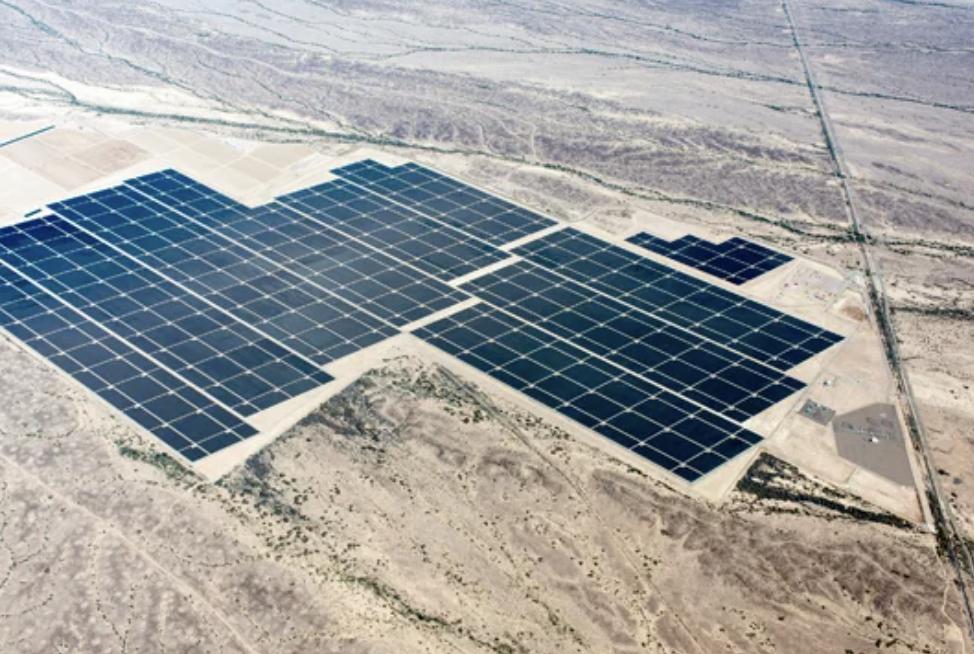
More than a decade after it was built, the Ivanpah Solar Power Plant in California is still drawing scrutiny, not just for its cost, but for its environmental trade-offs.
The facility sits in the Mojave Desert near the California-Nevada border and was once promoted as a major step forward for clean energy. Backed by billions in federal support during the Obama administration, Ivanpah uses hundreds of thousands of mirrors to reflect sunlight onto three large towers, generating the heat needed to produce electricity.
Up close, the scale is hard to miss. Vast fields of mirrors stretch across the desert, all angled toward the glowing towers. But that same design has created problems that weren’t fully anticipated when the project was approved.
One of the most visible concerns involves wildlife. Birds flying through the concentrated beams of sunlight can be injured or killed, a phenomenon known as solar flux. In some cases, researchers have documented birds catching fire midair, leaving smoke trails behind them. Federal studies and ongoing monitoring reports have found that bird deaths at the site number in the hundreds each year, with broader estimates suggesting the total could reach into the thousands.
Scientists say the issue is partly driven by the plant’s brightness. The towers attract insects, which then draw in birds. Once they pass through the concentrated light, the heat can damage feathers or cause fatal injuries. The problem has been persistent enough to earn its own nickname among researchers: “streamers.”
Wildlife concerns don’t stop there. The plant occupies more than 4,000 acres of desert habitat that was once home to species like the desert tortoise. Construction required clearing large areas of land, and early reports indicated that some relocated tortoises did not survive or went missing. Critics argue that these impacts raise broader questions about how renewable energy projects are evaluated before construction begins.
The plant’s environmental footprint also includes something less obvious: fossil fuel use. Despite being labeled a solar facility, Ivanpah relies on natural gas to start up each day. That process produces tens of thousands of metric tons of carbon dioxide annually, putting the plant under California’s cap-and-trade system alongside traditional emitters. While it still produces fewer emissions than a standard gas plant, its output is higher than newer solar technologies that don’t require fuel for startup.