


When most people think of the beauty of Nature, they think of pastoral, tranquil evidence of a Creator behind it all: babbling brooks, new buds on trees, wildflowers and majestic forests.
But there are plenty of other examples of Godās design that are just as fascinating ā if a bit more unsettling.
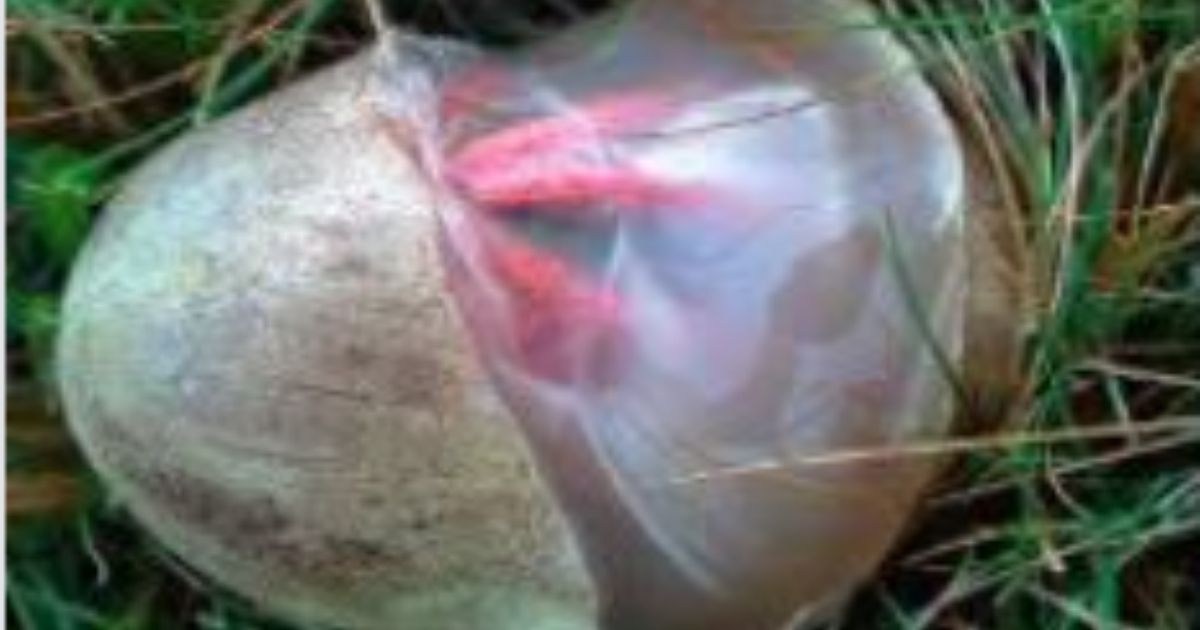
Enter the āDevilās Fingersā fungus. It looks downright diabolic, like part of some Halloween decor got left on the lawn or āStranger Thingsā just came to life, but itās a very real, fiercely wonderful fungus.
šŗ Embedded media ā coming soon
Also known as āOctopus Stinkhornā or āOctopus Fungus,ā no stage of this organismās lifecycle is comforting.
āThe devilās fingers fungus hatches from a slimy, gelatinous āegg,'ā The Wildlife Trustsā page on the fungus states.
āAs it grows, the tentacle-like arms start to protrude. The bright red color of this fungus makes it easy to spot although it is fairly rare in the U.K. Related to the stinkhorns, it has a strong and unpleasant smell.ā
To be more specific, that āunpleasant smellā is the smell of rotting meat ā which, as disgusting as it is to us, was designed for a very specific purpose: reproduction.
The stench draws insects who love that smell, and they in turn land on the fungus and then carry spores to new locations, spreading the fungusā reign. And itās an incredibly effective method.
šŗ Embedded media ā coming soon
Native to New Zealand and Australia, the fungus was first discovered in the United Kingdom in the early 1900s, and around the year 2000, it was first spotted in New Forest National Park in southern England.
āFlies, beetles and slugs are attracted to the smell of rotting flesh, and the slime sticks to them when they come into contact with it, and so the spores are dispersed far and wide,ā the New Forest National Parkās page on the striking fungus states.
šŗ Embedded media ā coming soon
āIt has obviously proved to be an excellent way of spore dispersal, to have allowed colonization of the entire New Forest in under 20 years, and now even some other places in the South of England. This is a unique and unusual way of spore dispersal for a fungus.ā
While many times the color red in Nature translates to ādanger,ā the color here is not indicative of toxicity, according to the New Forest Explorers Guide. The taste (yes, some people have tried it) is not particularly welcoming, either.
The look and smell of the fungus certainly work well to ward off any human threats, further protecting itself and ensuring its survival.
While you likely wonāt spot this stateside, there are plenty of similarly unique fungi on our own turf, especially if you live in areas where there is a lot of moisture and organic matter.
šŗ Embedded media ā coming soon
Take the āBleeding Toothā fungus as another example (call it by its more palatable name, āStrawberries and Cream,ā if youād like). Have you ever seen anything like this in your yard?
Flowers and trees are nice, but fungi are no less intricate and interesting, even if they arenāt your cup of tea. The variations are boundless, you just have to have some curiosity and a strong constitution to appreciate even the weirdest examples of Godās inexhaustible, creative handiwork.
This article appeared originally on The Western Journal.