



Things Just Got Worse For Boeing
Boeing was using under-qualified workers to build their rockets for space flight, causing quality control issues, a National Aeronautics and Space Administration (NASA) report released Thursday found. NASA audited the…
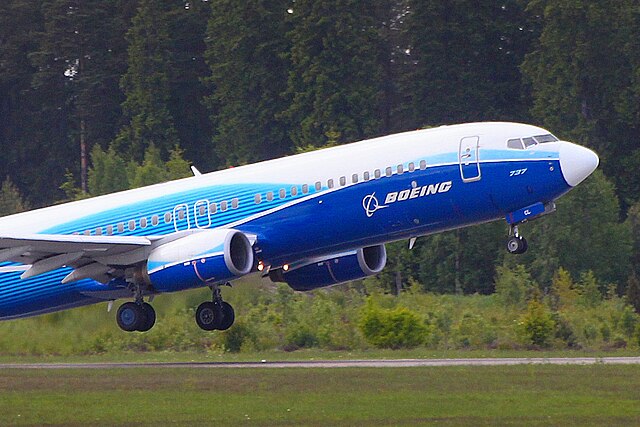

Boeing was using under-qualified workers to build their rockets for space flight, causing quality control issues, a National Aeronautics and Space Administration (NASA) report released Thursday found.
NASA audited the Boeing Space Launch System (SLS) project, which has been in development since 2014 and is scheduled to make a flight to the moon in 2028, in order to find out what has caused delays and increased costs, according to the report. The NASA Office of Inspector General alleged Boeing had a lack of “trained and experienced aerospace workers” working on the SLS, with NASA calling it a major factor in delaying construction.
Efforts by Boeing to provide in-house training have been inadequate, and “significant quality control deficiencies” persisted at the Michoud Assembly Facility, according to the report.
“For example, during our visit to Michoud in April 2023, we observed a liquid oxygen fuel tank dome—a critical component of the SLS Core Stage 3—segregated and pending disposition on whether and how it can safely be used going forward due to welds that did not meet NASA specifications,” the report said. “According to NASA officials, the welding issues arose due to Boeing’s inexperienced technicians and inadequate work order planning and supervision. The lack of a trained and qualified workforce increases the risk that Boeing will continue to manufacture parts and components that do not adhere to NASA requirements and industry standards.”
NASA said Boeing gives work instructions to technicians “that lack explicit details on how to perform the task and with what tools” in building components for the rocket, with some technicians having to dig through mountains of documents to get proper guidance, according to the report. NASA said the
“quality control deficiencies” could “increase safety risk” for the spacecraft.
Boeing’s Starliner space exploration vehicle experienced helium leaks and reaction control system malfunctions in June, which stranded two NASA astronauts on the International Space Station. The astronauts may have to stay in space until 2025 if NASA does not think the docked Starliner capsule is safe enough for reentry and decides to remove two astronauts from a scheduled SpaceX flight in September to make room for the stranded astronauts on the station to descend, according to the Associated Press.