



Video: Rashida Tlaib Melts Down When Major Bank CEO Savages Her Fossil Fuel Challenge
Things got a little spicy during a House hearing when bank executives were asked to commit not to fund new oil and gas products. The CEOs of several of America’s largest banks appeared on Capitol Hill and faced various…
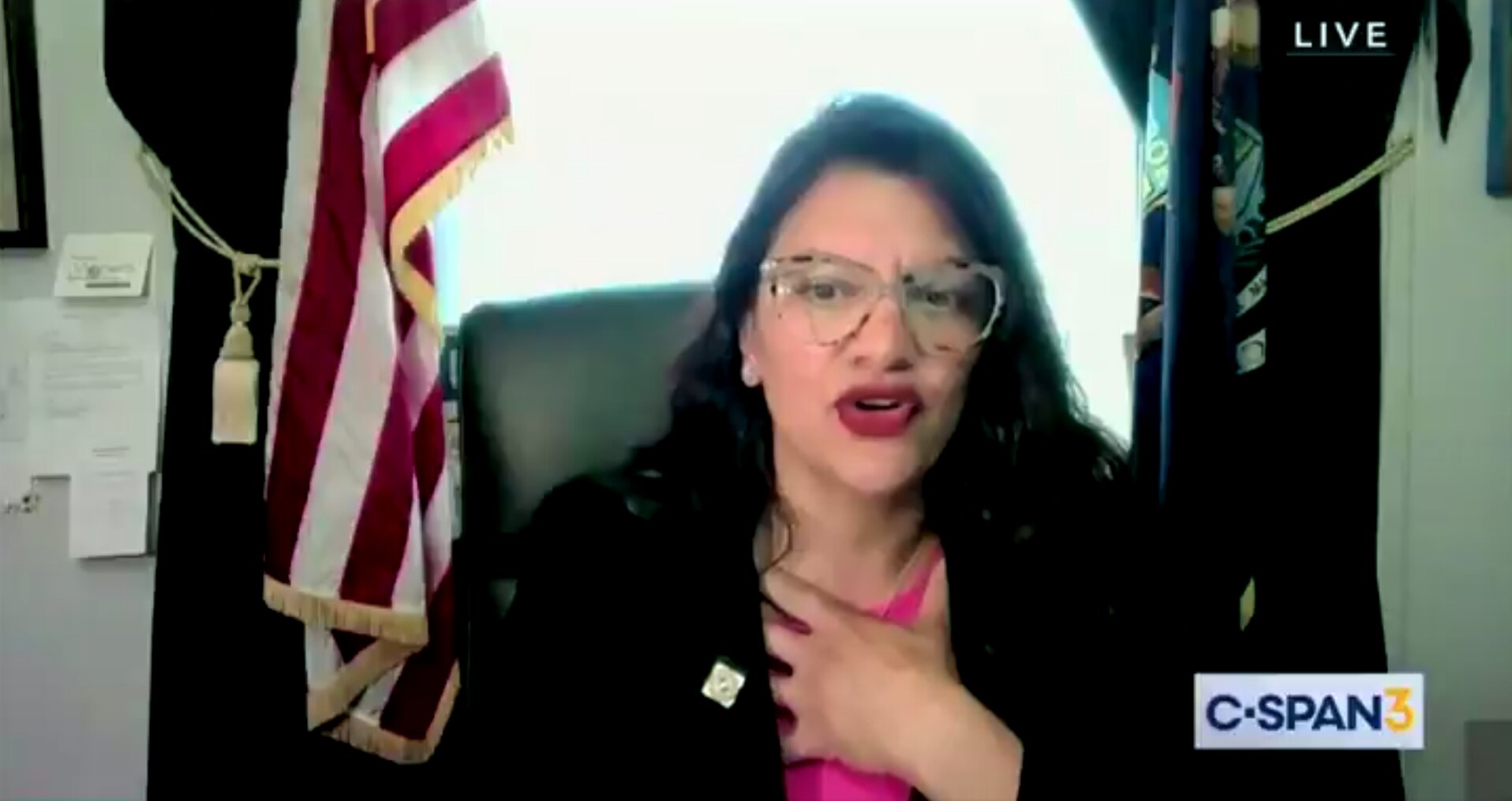
Things got a little spicy during a House hearing when bank executives were asked to commit not to fund new oil and gas products.
The CEOs of several of America’s largest banks appeared on Capitol Hill and faced various questions on topics ranging from the COVID-19 pandemic to Climate Change.
At one point, Rep. Rashida Tlaib (D-Mich.) pressed the executives on their commitment to transition away from emissions.
“You have all committed, as you all know, to transition the emissions from lending and investment activities to align with pathways to net zero in 2050,” the Michigan Democrat began.
She continued, “Do you know what the International Energy Agency has said is required to meet our global 2050 net sterile targets of limiting global temperature rise to 2.7 degrees Fahrenheit, or 1.5 degrees Celsius? So no new fossil fuel production starting today, so that’s like zero.”
“Please answer with a simple yes or no: does your bank have a policy against funding new oil and gas products?” Tlaib asked.
She kicked off her question with Jamie Dimon, the CEO of JP Morgan Chase & Co.
“Absolutely not,” Dimon responded.
But he was not content to respond with just a ‘no.’ Instead, he threw in a jab against the challenge as he said, “And that would be the road to hell for America.”
His response did not sit well with Tlaib, who suggested people should pull their money from his bank and go elsewhere.
“Yeah, that’s fine. That’s why sir, you know what, everybody that got relief from student loans, has a bank account with your bank should probably take out their account and close their account,” Tlaib fired back. “The fact that you’re not even there to help relieve many of the folks that are in debt, extreme debt because of student loan debt, and you’re out there criticizing it.”