



U.S. Troops Describe ‘Miraculous’ Escape at Iraqi Base Attacked by Iran
Troops at the Iraqi air base that bore the brunt of Iran’s first direct missile attack against U.S. forces said they were shocked by its intensity and grateful to emerge unscathed. The scale of the damage at the Ain…
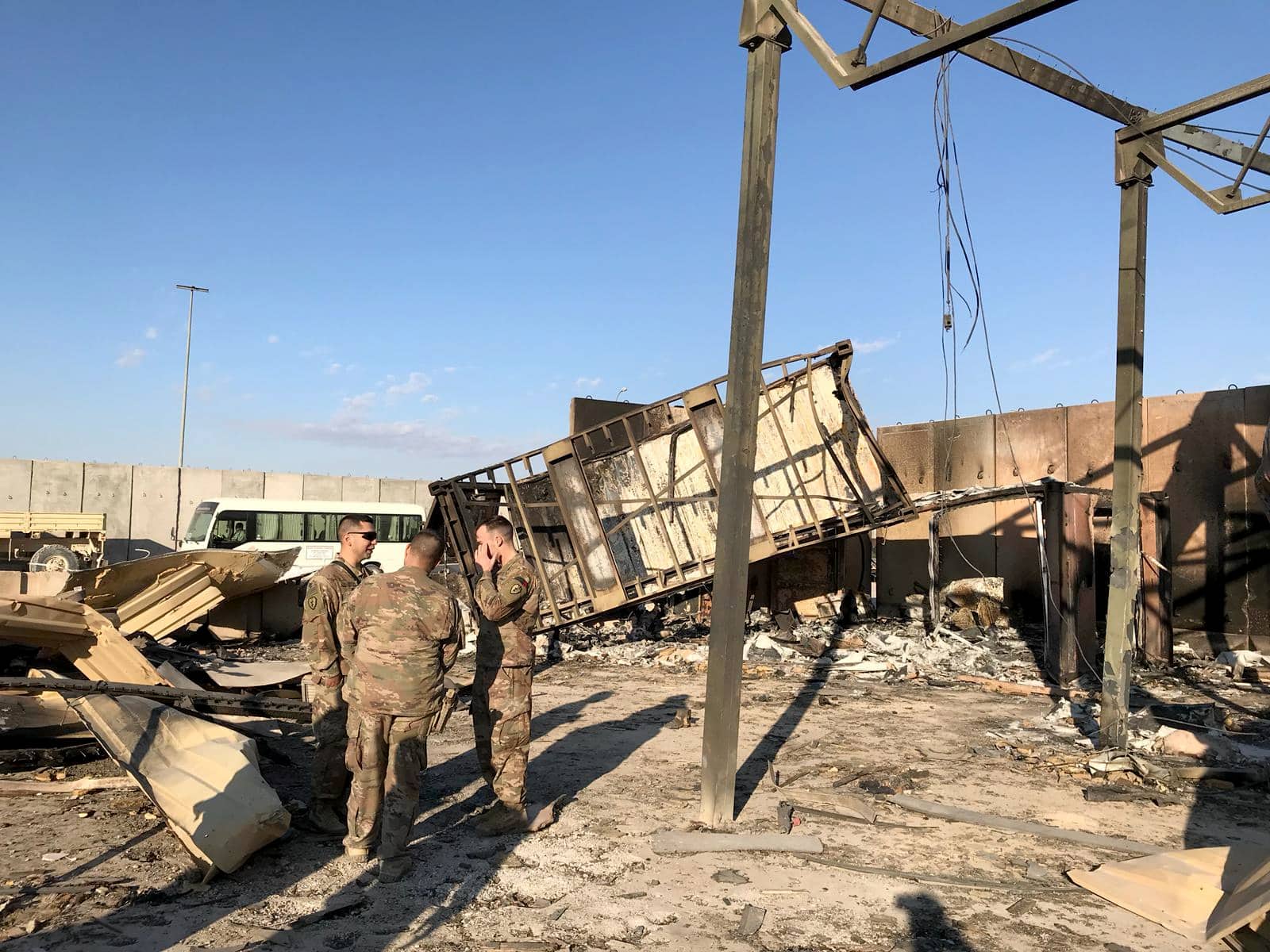
Troops at the Iraqi air base that bore the brunt of Iran’s first direct missile attack against U.S. forces said they were shocked by its intensity and grateful to emerge unscathed.
The scale of the damage at the Ain al-Asad base showed Iran’s destructive capability at a time when U.S. officials say they are still concerned that Iran-backed groups across the region could wage attacks on the United States.
“It’s miraculous no one was hurt,” Lt Col Staci Coleman, the U.S. air force officer who runs the airfield, told reporters on Monday at the vast base deep in the western Anbar desert in Iraq, where 1,500 Americans were deployed.
“Who thinks they’re going to have ballistic missiles launched at them … and suffer no casualties?”
The Jan. 8 attack came hours after U.S. Defense Secretary Mark Esper said the United States should expect retaliation over the U.S. killing of Iranian military commander Qassem Soleimani in a drone strike in Iraq the previous week.
The killing raised fears of a new Middle East war, but the United States, Iraq and other countries with troops at the base said no one was hurt. U.S. military leaders have said that was thanks to commanders on the ground, not Tehran’s goodwill.
At one site, a cruise missile had left a large crater and incinerated living quarters made from shipping containers.
Heavy concrete blast walls were knocked over and the shipping containers were smashed and charred along with contents including bicycles, chairs and other furniture. Several soldiers said one of their number had come very close to being blown up inside a shelter behind the blast walls.
Almost a dozen missiles hit the air base, where U.S. forces carried out “scatter plans” to move soldiers and equipment to a range of fortified areas apart from one another.