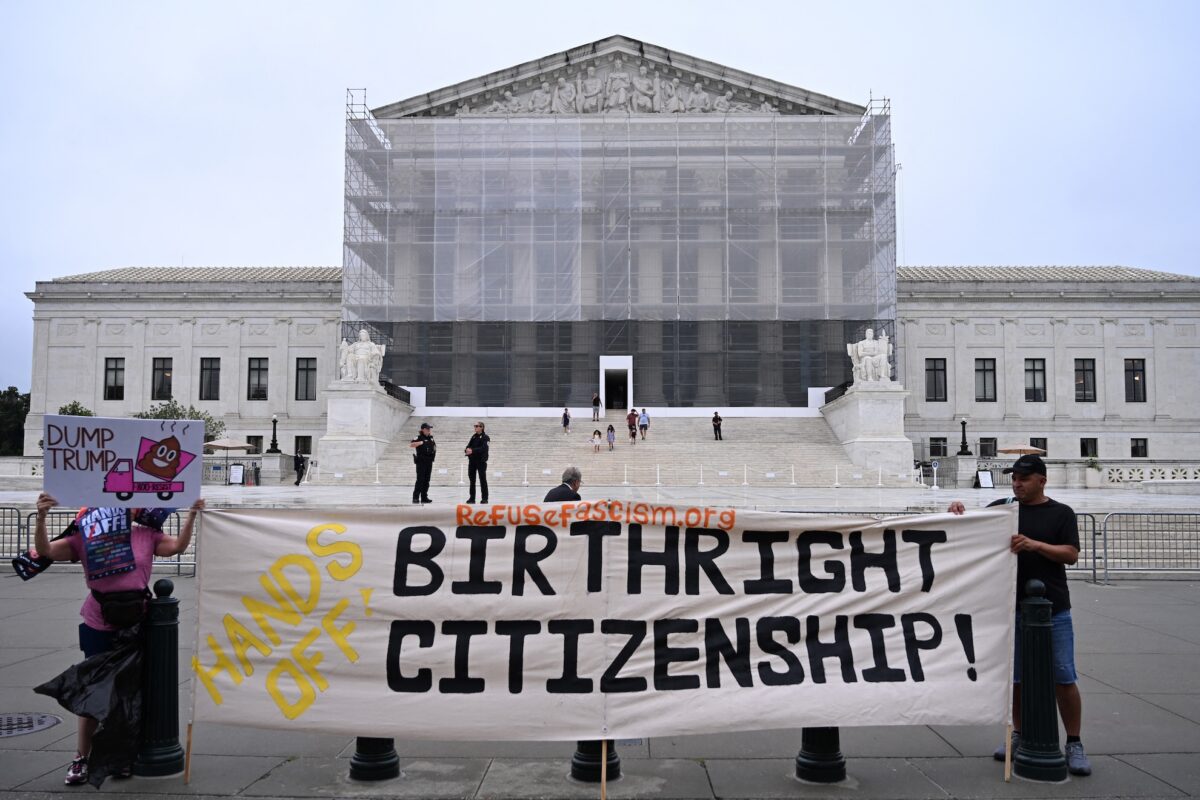
Trump Urges Congress to Act on Birthright Citizenship After Supreme Court Setback President Donald Trump is urging Congress to take action on ending birthright citizenship after the Supreme Court rejected his executive order. The 6-3 decision against Trump’s attempt to limit citizenship based on parents’ status has reignited the debate on immigration policy. Trump took […]
Trump Urges Congress to Act on Birthright Citizenship After Supreme Court Setback
President Donald Trump is urging Congress to take action on ending birthright citizenship after the Supreme Court rejected his executive order. The 6-3 decision against Trump’s attempt to limit citizenship based on parents’ status has reignited the debate on immigration policy.
Trump took to Truth Social to express his stance: “The Supreme Court upheld Birthright Citizenship… we can easily make it up in Congress through Legislation.” This call to action highlights Trump’s continued efforts to reshape immigration laws through legislative means.
The Supreme Court Decision and Its Implications
The Supreme Court’s ruling in a 6-3 decision struck down Trump’s executive order aimed at limiting birthright citizenship. The order sought to exclude children born to temporary visitors or undocumented immigrants from automatic citizenship. The court noted that while the executive order did not violate the 14th Amendment, it was unlawful under federal law.
The decision underscores the limits of executive power in shaping immigration policy. It also opens the door for Congress to take a more active role in defining citizenship criteria. Two bills currently in Congress aim to redefine birthright citizenship without the need for a constitutional amendment.
Potential Legal Challenges Ahead
While Trump is optimistic about a legislative solution, the path forward is not without obstacles. Changing the law to end birthright citizenship could face significant legal challenges. These challenges could delay implementation and further complicate the already contentious issue of immigration reform.
The potential for legal battles highlights the importance of careful consideration and bipartisan support for any new legislation. It also raises questions about the broader implications for families and the fabric of American society.
The Impact on Everyday Americans
The debate over birthright citizenship touches on fundamental issues of national identity and family values. For many Americans, the idea of automatic citizenship for children born on U.S. soil is a cornerstone of the American dream. However, opponents argue that it incentivizes illegal immigration and places an unfair burden on taxpayers.
Sponsored
Sponsored
Trump Calls On Congress After SCOTUS Setback — IJR
Supporters of ending birthright citizenship believe it will help reduce the number of undocumented immigrants and protect jobs for American citizens. Critics, however, warn that it could lead to a rise in stateless individuals and create a new class of marginalized people.
The impact on everyday Americans is significant. Families with mixed immigration statuses could face uncertainty and potential separation. The economic and social consequences of such a policy change would ripple through communities, affecting schools, healthcare, and local economies.
Government Accountability and Constitutional Principles
The Supreme Court’s decision and Trump’s subsequent call to Congress raise important questions about government accountability and the balance of power. While the executive branch has its limitations, the legislative branch has the authority to make substantial changes to immigration law.
The potential for Congress to redefine birthright citizenship through legislation highlights the importance of democratic processes and the rule of law. It also underscores the need for transparent and inclusive discussions on immigration policy.
The debate over birthright citizenship is not just about legal technicalities; it is about the values and principles that define America. As Congress considers this issue, it must weigh the interests of all Americans and ensure that any changes are fair, just, and in line with the Constitution.
Analysis: A Shift in Immigration Policy?
Despite the Supreme Court’s rejection of his executive order, Trump’s push for legislative action on birthright citizenship signals a potential shift in immigration policy. The involvement of Congress adds a layer of complexity and opportunity for meaningful debate and reform.
The two bills currently in Congress aim to redefine birthright citizenship without a constitutional amendment. This approach bypasses the lengthy and difficult process of amending the Constitution, making it a more viable option for proponents of change. However, the bills will need to overcome significant hurdles, including opposition from Democrats and potential legal challenges.
The debate over birthright citizenship is part of a larger conversation about the future of immigration in America. It touches on issues of national security, economic opportunity, and social cohesion. As the nation grapples with these questions, it is crucial that policymakers consider the long-term impacts on all Americans.
Ultimately, the fate of birthright citizenship will depend on the willingness of Congress to act and the ability of lawmakers to find common ground. The coming months will be critical in determining whether this policy change becomes a reality and what form it will take.
Key Takeaways
Trump is calling on Congress to pass legislation to end birthright citizenship after the Supreme Court rejected his executive order.
The Supreme Court ruled the executive order was unlawful under federal law but suggested Congress could clarify eligibility.
Ending birthright citizenship through legislation faces potential legal challenges and requires bipartisan support.
The debate over birthright citizenship impacts family values, national identity, and the economy.
Frequently Asked Questions
What is birthright citizenship?
Birthright citizenship is the principle that anyone born on U.S. soil automatically becomes a U.S. citizen, regardless of their parents’ immigration status.
Why did the Supreme Court reject Trump’s executive order?
The Supreme Court ruled that the executive order was unlawful under federal law, even though it did not violate the 14th Amendment.
What are the potential legal challenges to ending birthright citizenship through legislation?
Changing the law to end birthright citizenship could face legal challenges, potentially delaying implementation and complicating the immigration reform process.