



Trump Comments On Report About B-1 Bombers Near Venezuela
They say the bombers never flew near Venezuela. But the reports say otherwise. And in the middle of it all is a growing wave of tension — one that’s now pulling U.S. foreign policy, military strategy, and international…
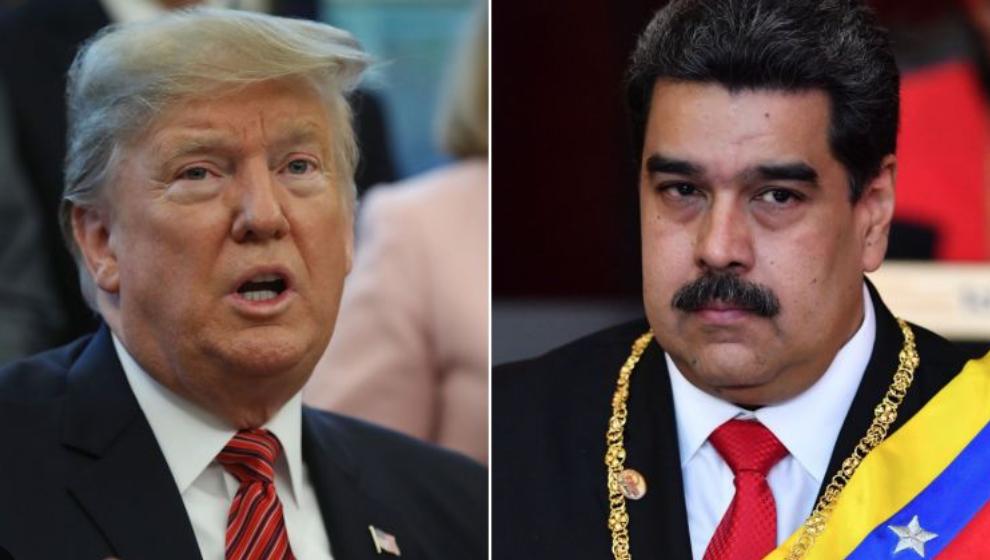
They say the bombers never flew near Venezuela. But the reports say otherwise. And in the middle of it all is a growing wave of tension — one that’s now pulling U.S. foreign policy, military strategy, and international law into the same rip current.
On Thursday, The Wall Street Journal reported that two U.S. Air Force B-1 bombers took off from Dyess Air Force Base in Texas and flew close to Venezuelan territory. According to the report, the bombers stayed in international airspace, but their presence — so close to a country the U.S. has called a “narcoterrorist state” — set off alarm bells. The Journal said this maneuver followed a recent “attack demonstration” by U.S. warplanes in the region.
But President Donald Trump didn’t waste time shooting the story down. “No, that’s not accurate,” he said when asked directly. Still, his next sentence cut through the uncertainty: “But we’re not happy with Venezuela.” That simple statement — vague but loaded — was the only clarity he offered.
Here’s where it gets more complicated. Trump confirmed that land-based strikes could be on the table. He stated that Congress would “definitely” be informed if the administration went that route, though he also implied he may not need their permission to escalate military action. At the same time, his administration continues to tie these military movements to the war on drugs — a war that, according to Trump and Defense Secretary Pete Hegseth, now resembles a counterterrorism operation.
This week alone, the U.S. military launched its ninth strike on a suspected drug-smuggling vessel in the eastern Pacific Ocean. According to Hegseth, the strike killed three people. Just a day earlier, another vessel was hit, killing two. The Trump administration says these operations are part of a broader campaign that began last month — a campaign that has now taken at least 37 lives. Until recently, most of the strikes were concentrated in the Caribbean. The shift into the Pacific, officials say, marks a broader approach to intercept drug routes before they get anywhere near U.S. borders.
And the language coming out of Washington is only growing more forceful. Hegseth didn’t mince words. “We will treat you like we treated Al Qaeda,” he said, referring to the cartels. “We will find you. We will map your networks. We will hunt you down and we will kill you.” That line — so stark and final — signals a major escalation in both tone and policy.