



Trump Imposes New Bans on Cuban Rum, Cigars, Hotels
President Donald Trump on Wednesday banned U.S. citizens from bringing home rum or cigars from Cuba and from staying at Cuban government-owned hotels, as he sought to lock in the Cuban-American vote in the swing state…
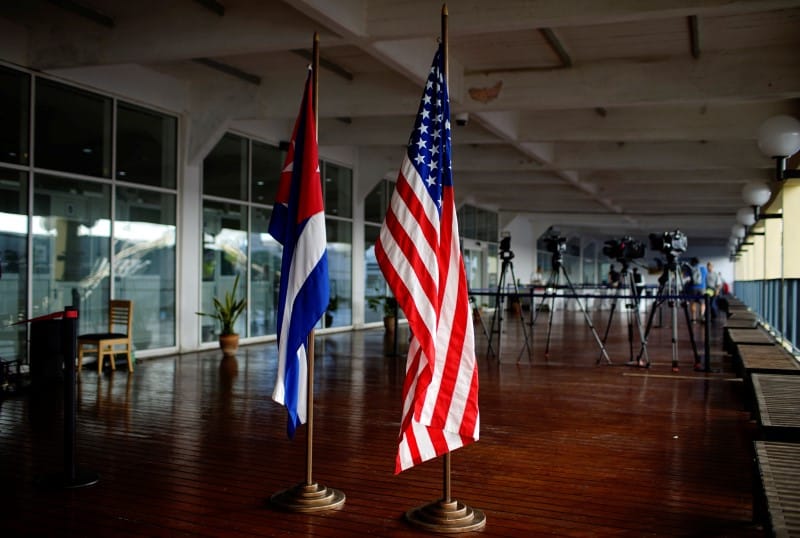
President Donald Trump on Wednesday banned U.S. citizens from bringing home rum or cigars from Cuba and from staying at Cuban government-owned hotels, as he sought to lock in the Cuban-American vote in the swing state of Florida ahead of November’s presidential election.
Since Trump took office in January 2017, he has been rolling back a detente with America’s old Cold War foe pursued by his Democratic predecessor, President Barack Obama.
Trump’s aides believe his toughened stance has gone down well in the large Cuban-American community in south Florida, an important voting bloc in a state where he and Democratic presidential candidate Joe Biden are locked in a tight race.
“Today, as part of our continuing fight against communist oppression, I am announcing that the Treasury Department will prohibit U.S. travelers from staying at properties owned by the Cuban government,” Trump said at a White House event.
“We’re also further restricting the importation of alcohol and Cuban tobacco,” the Republican president said at the ceremony honoring Bay of Pigs veterans.
Trump’s decision overturns Obama’s policy of allowing American travelers to bring back as much of Cuba’s legendary rum and cigars that they could carry in their baggage for personal use.
A Treasury factsheet said U.S. citizens would be allowed to buy rum and cigars while visiting the Communist-run island, but would no longer be permitted to bring those products home.
“The current U.S. authorities insist on the application of a sanctions policy against Cuba that has not achieved the proposed objectives in 60 years,” said a Cuban embassy official in Washington. “It is a wrong policy that is widely rejected by American society and even among Cuban Americans.”
The measures – which bar Americans from staying at more than 430 hotels owned or controlled by the government and impose new restrictions on professional meetings, performances and sports competitions – are intended to deny revenue to Cuban authorities.